BOTTOM LINE UP FRONT
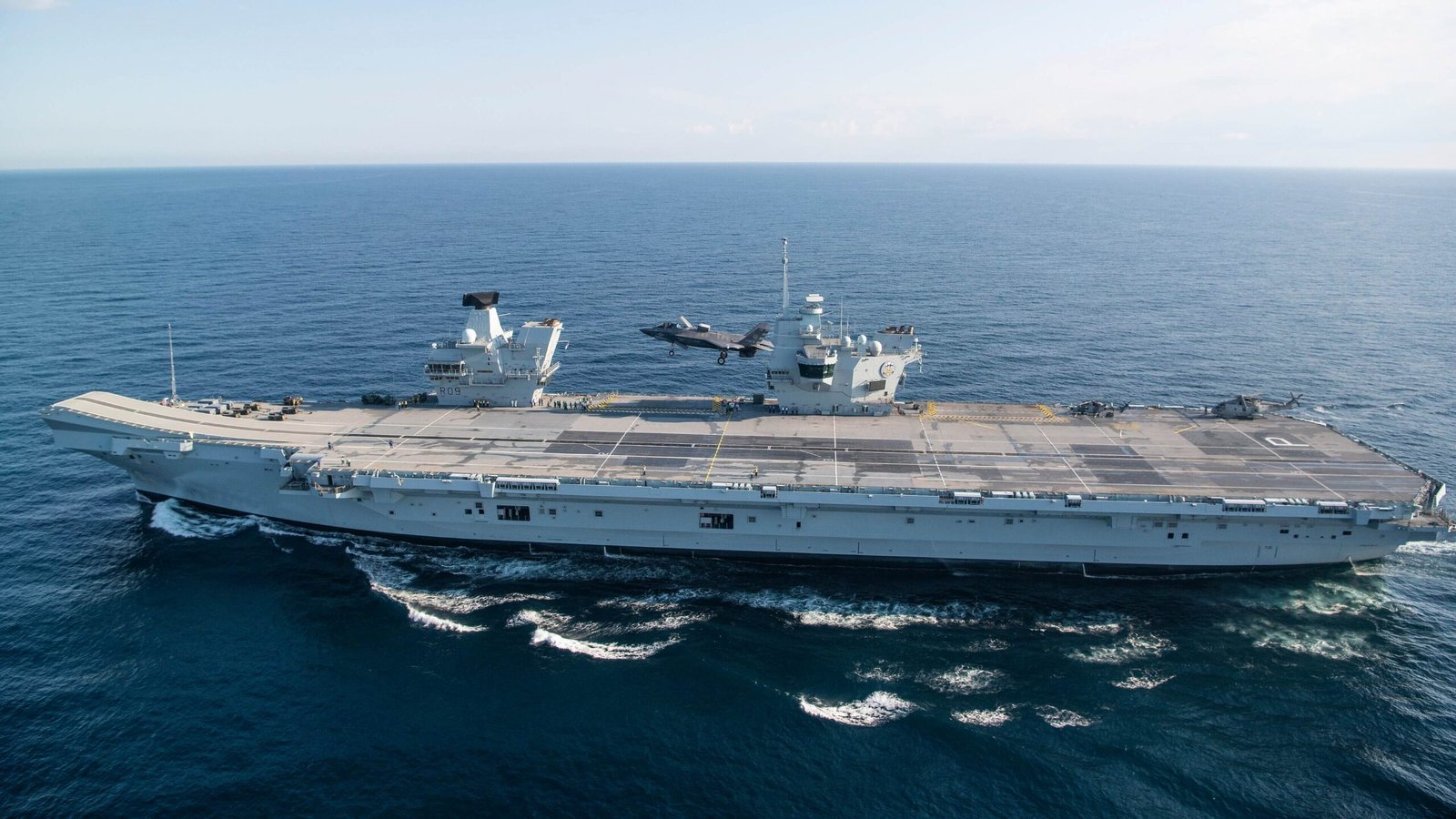
- The Phantom Air Wing: Despite being designed to carry up to 36 F-35B Lightning II jets, HMS Prince of Wales sailed to the Arctic with only eight F-35Bs and six helicopters.
- The Escort Deficit: A severe shortage of operational destroyers and frigates forced the Royal Navy to deploy just two domestic escorts (HMS Duncan and HMS Somerset) alongside a tanker, requiring allied vessels like the French frigate FS Aquitaine to plug the defensive gaps.
- The STOVL Compromise: Originally envisioned as “cats and traps” (catapult) carriers, cost-cutting forced a redesign to Short Take-Off and Vertical Landing (STOVL), committing the UK to the expensive, fragile, and US-dependent F-35B variant.
- Manpower Drain: The two Queen Elizabeth-class carriers absorb roughly 10% of total Royal Navy manpower, cannibalizing crews from an already stretched fleet.
Operation Firecrest: A Hollow Show of Force
Aircraft carriers do not operate alone; they are the high-value core of a heavily defended Carrier Strike Group (CSG). By US Navy standards, a single Nimitz or Ford-class carrier is typically shielded by five to eight cruisers, destroyers, and nuclear attack submarines.
When HMS Prince of Wales sailed for the Arctic in July 2026, the Admiralty had to scrape the barrel to provide a defensive screen. The Royal Navy’s escort fleet had dwindled to just 11 active vessels (six Type 45 destroyers and five aging frigates)—many of which were trapped in long-term refits. The UK could only spare the destroyer HMS Duncan and the frigate HMS Somerset, alongside the RFA Tidespring tanker. To achieve a credible screen against Russian Northern Fleet assets, the UK was forced to rely on the French frigate FS Aquitaine. Dispatching just two escorts left the British home waters virtually undefended, guarded only by a handful of lightly armed offshore patrol vessels.
The Missing Air Wing and the F-35B Dependency
An aircraft carrier without aircraft is merely a very expensive target. HMS Prince of Wales was built to accommodate an air group of up to 36 fifth-generation fighters. Yet, for Operation Firecrest, she embarked a paltry eight F-35B Lightning II jets.
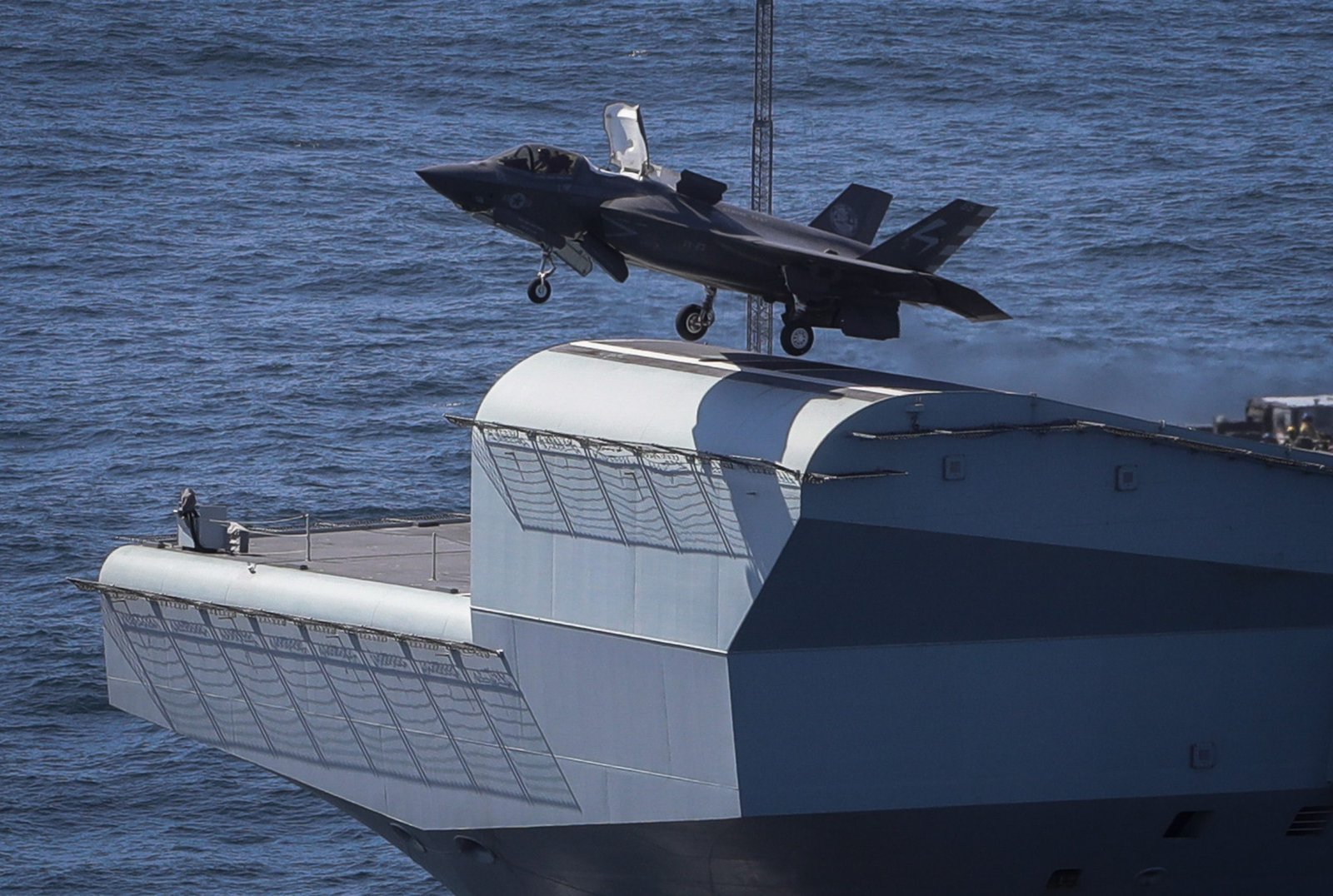
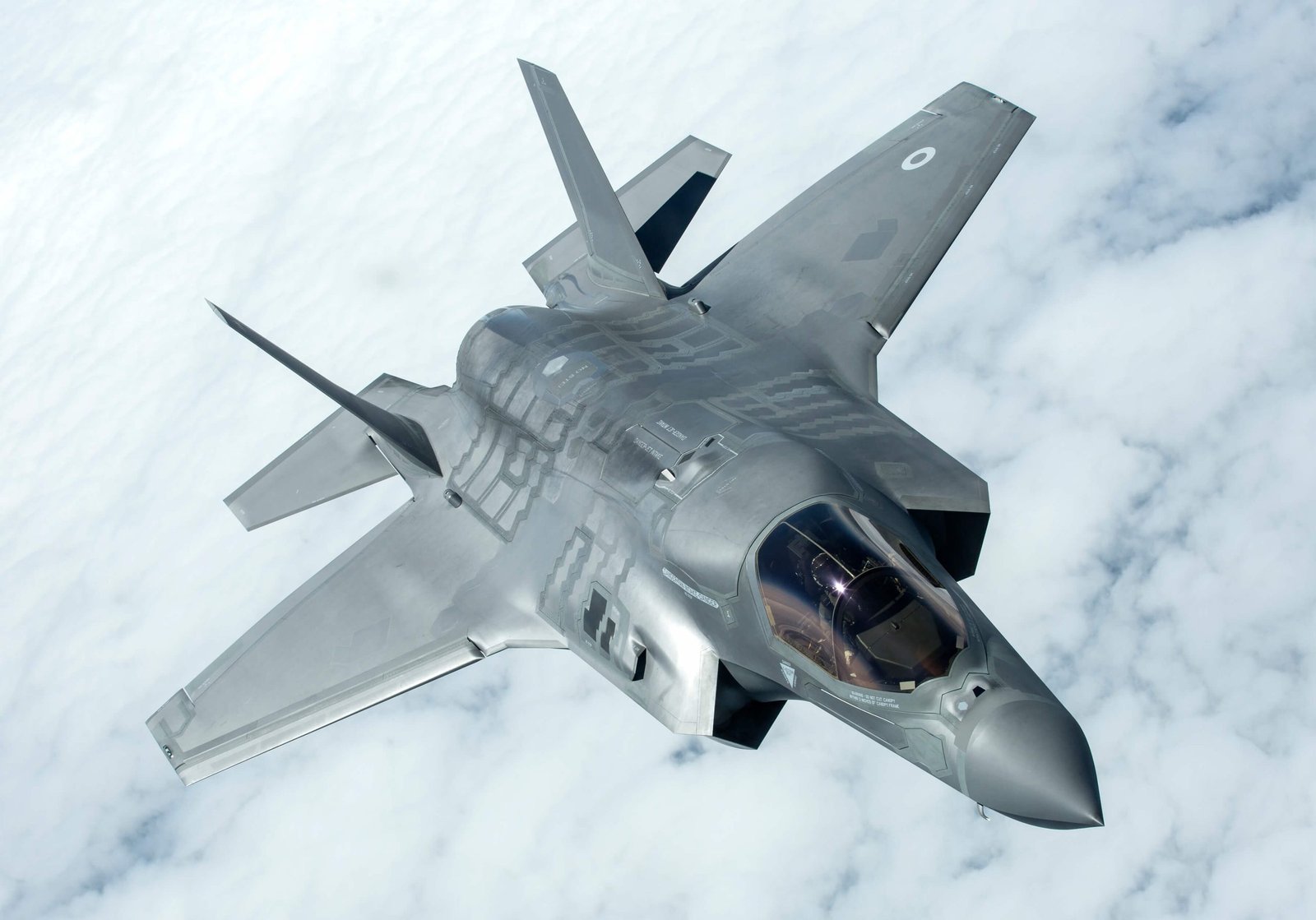
This embarrassing shortfall stems from the Ministry of Defence’s procurement realities. In 2026, the entire British F-35 fleet numbers just 47 aircraft, which must be shared between the Royal Air Force and the Royal Navy. The UK simply does not own enough jets to fill a single carrier’s deck, let alone two.
Furthermore, the F-35B itself presents severe operational challenges. It costs up to $35,000 per flight hour to operate, suffers from chronic spare parts shortages, and carries less fuel and weaponry than its conventional carrier-based counterpart (the F-35C). Crucially, the aircraft’s software is inextricably linked to the Pentagon; without constant US-supplied updates, the jets become non-operational, effectively giving Washington veto power over British carrier operations.
Procurement Politics: How We Got Here
The crisis traces its roots back to 2006, when Tony Blair’s government approved the carrier program at an estimated £3.9 billion. The construction was centered in Rosyth, Scotland—conveniently neighboring then-Chancellor Gordon Brown’s constituency. By the time David Cameron took office in 2010, costs had spiraled to £6.2 billion. Attempts to cancel the project were thwarted by exorbitant cancellation penalties negotiated by builders like BAE Systems.
To salvage the budget, the MoD made a fateful compromise. Instead of building the ships with catapults and arresting wires (CATOBAR) like US or French carriers—which would allow the launch of heavily armed, longer-range aircraft like the F-35C or F/A-18—the ships were downgraded to Short Take-Off and Vertical Landing (STOVL) platforms equipped with ski-jumps. This forced the retirement of the Harrier fleet and locked Britain into the expensive F-35B ecosystem, ballooning the program’s final cost to £7.6 billion.
Carrier Strike Capabilities: 1979 vs. 2026
| Metric | HMS Ark Royal Era (1979) | HMS Prince of Wales Era (2026) |
| Displacement | ~54,000 tons | ~80,000 tons |
| Launch System | CATOBAR (Catapults & Wires) | STOVL (Ski-jump) |
| Typical Air Group | 40 (Phantoms, Buccaneers, Gannets) | 8 to 12 (F-35B Lightnings) |
| Total Escorts in Fleet | 55 Destroyers & Frigates | 11 (6 Destroyers, 5 Frigates) |
| Carrier Fleet Status | Fully stocked, self-reliant | Under-stocked, allied-dependent |
Final Assessment: The “White Elephant” Paradox
The Queen Elizabeth-class carriers represent a severe misalignment of strategic ambition and fiscal reality. By investing £7.6 billion into two massive platforms, the Ministry of Defence hollowed out the rest of the Royal Navy. Today, the UK possesses the “battleships” of the 21st century but lacks the aircraft to arm them and the escorts to defend them. When HMS Prince of Wales sailed to the Arctic with a skeletal air wing and a borrowed escort screen, it did not project strength to Moscow; it broadcasted the logistical exhaustion and systemic decline of a once-unrivaled maritime power. Until the escort fleet is rebuilt and the air wings are fully funded, Britain’s carriers remain high-profile liabilities rather than strategic assets.