BLUF
- Immediate Threat Nullification: An initial assault force of 1,000+ Islamist fighters mounted in up to 300 technicals was successfully halted within hours by cannon and missile-armed Gazelle helicopters from the 4th Special Forces Helicopter Regiment.
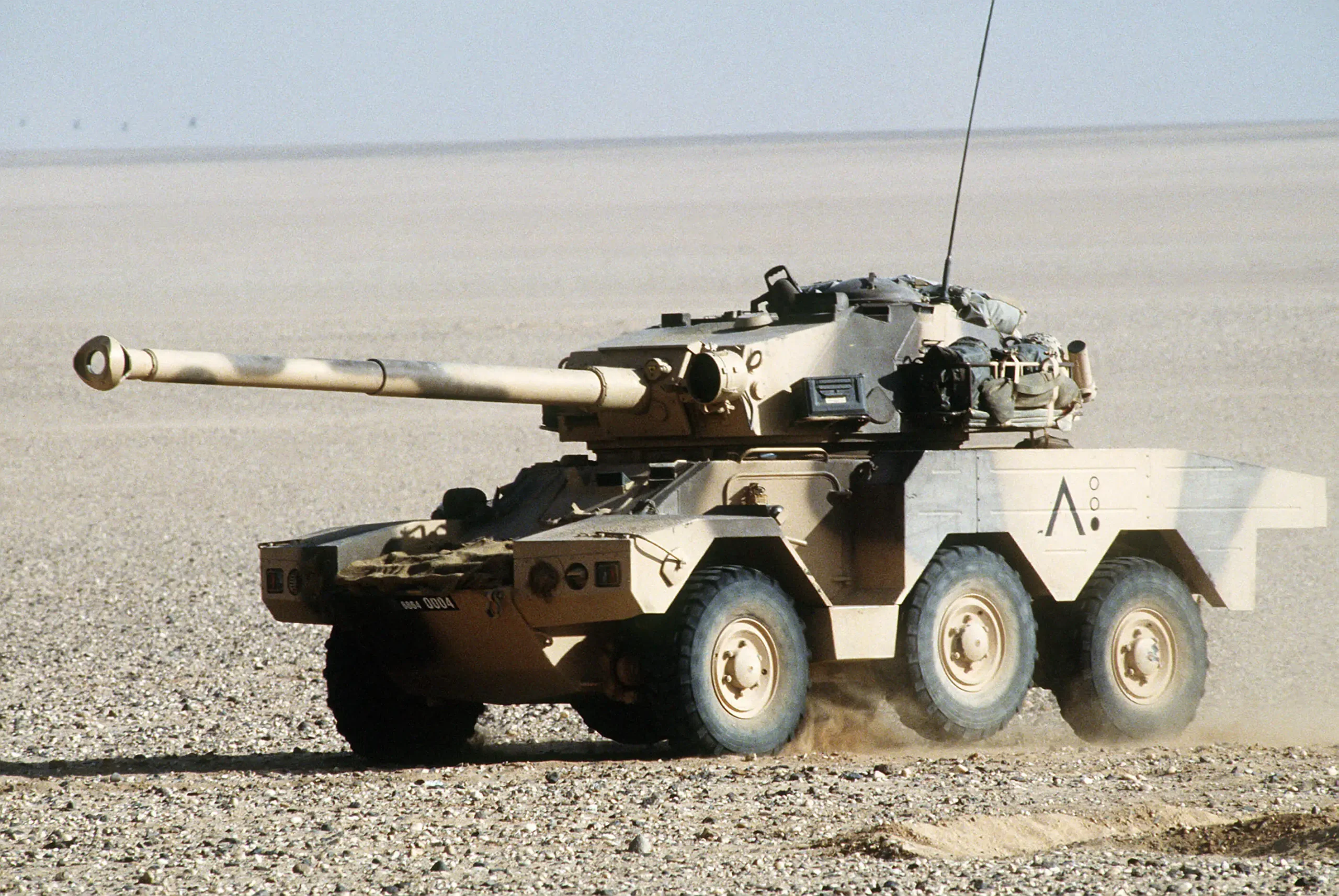
- Expeditionary Modularity: France rapidly deployed modular Groupement Tactique Interarmes (GTIA) task forces, combining VAB infantry, ERC-90 cavalry, and VBCI armored vehicles drawn from multiple international bases within 24–48 hours of alert.
- Deep Airborne Envelopment: Executed combat night-drops featuring 250 Foreign Legion paratroopers and strategic air-landings via C-130/C-160 transports to seamlessly capture key airfields at Gao, Timbuktu, and Tessalit.
- High-Tempo Maneuver: Forward units maintained extreme operational momentum, with GTIA columns remaining in continuous combat contact for six weeks and covering 5,000 kilometers with minimal logistical maintenance pauses.
- Strategic Transition: The rapid destruction of jihadist maneuver forces during Operation Panther systematically downgraded the conflict, transitioning the theater from high-intensity conventional warfare (Serval) to a long-term counter-insurgency framework (Barkhane).
The Collapse of Northern Mali
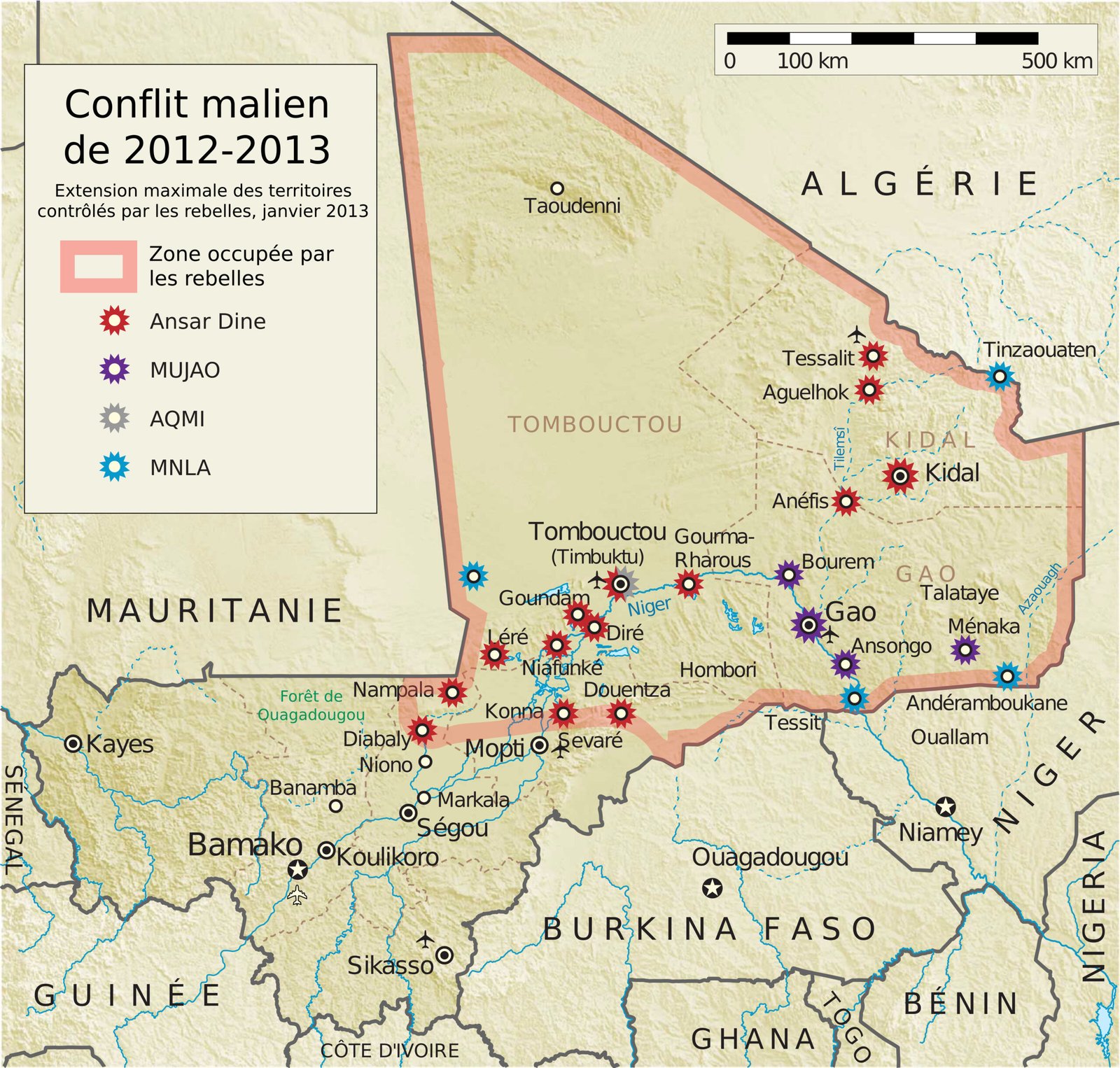
In the aftermath of the 2012 Tuareg MNLA rebellion, northern Mali was aggressively co-opted by al-Qaeda-linked extremist factions, primarily Ansar Dine and MUJAO. Operating in the sparsely populated desert, these groups sidelined secular separatists to enforce strict Islamist doctrine, drawing broader operational support from regional al-Qaeda networks.
Hostilities re-ignited on January 7, 2013, when over 1,000 motorized Islamist fighters launched a decisive southward offensive. Utilizing speed and heavy weapon-mounted pickup trucks, the militants overran the town of Konna. The resulting collapse of Malian defensive lines placed the critical Mopti river crossing in immediate jeopardy, leaving the capital of Bamako less than a two-day drive away.
The Modular GTIA
To meet the severe logistical and temporal constraints of the theater, the French military bypassed tracked heavy armor in favor of the Groupement Tactique Interarmes (GTIA). Equivalent to a battalion tactical group, these ad-hoc, highly modular formations were constructed on the fly from various emergency readiness echelons (Guépard alert) stationed across France, Chad, and Côte d’Ivoire.
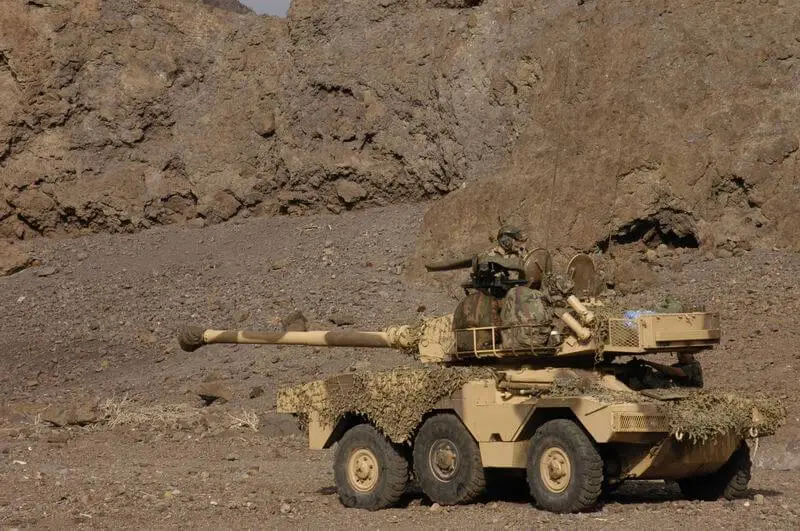
The ground forces were entirely mounted on wheeled platforms to guarantee high strategic mobility and reduce sustainment burdens. Primary platforms included VAB armored personnel carriers, VBCI Infantry Fighting Vehicles, and light cavalry elements utilizing the AMX-10RC and ERC-90 armored cars. Artillery support was purposely restricted to maintain airlift velocity, consisting of a highly compact footprint of just six CAESAR 155mm self-propelled howitzers and four 120mm heavy mortars for the entire Serval brigade.
Airborne Assaults and Deep Strikes
Initial French resistance relied exclusively on airpower. Gazelle attack helicopters strafed insurgent convoys at low altitude, halting the Konna advance at the cost of one downed aircraft. As the mechanized GTIAs arrived in theater, they executed rapid ground offensives, systematically driving the militants back from Diabaly and Douentza while relying strictly on food, water, and fuel sustainment to maintain relentless forward pressure.
NATO and French doctrine prioritized the aggressive vertical envelopment of critical nodes. At Gao, Special Forces and Air Force commandos secured the undefended runway via Puma helicopters, enabling immediate tactical air-landings. During the drive on Timbuktu, an infantry company of 250 Foreign Legionnaires executed a strategic night parachute drop north of the city, perfectly sealing off the jihadist avenues of retreat before mechanized forces breached the city limits.
Operation Panther and the Shift to COIN
The conventional combat phase culminated in Operation Panther (Feb 18 – Mar 31) in the rugged Ifoghas mountain range. A joint task force featuring heavily mechanized GTIA 3, airborne GTIA 4, and 800 allied Chadian troops surrounded and systematically dismantled the remaining al-Qaeda and Ansar Dine strongholds.
While Operation Serval validated France’s Cold War-era post-colonial expeditionary doctrine against technologically inferior foes, it also exposed critical artillery and organic fire support shortages. The campaign successfully shattered the Islamists’ conventional war-waging capabilities, forcing the French military to formally end Serval in July 2013 and pivot toward Operation Barkhane, a protracted, wide-area counter-insurgency mission.
| Formation | Infiltration Method | Core Combat Platforms | Strategic Objective |
| Air Mobile Group / SF | Helicopter Assault | Gazelle (Cannon/Missile), Tiger, Puma | Immediate convoy interdiction; airfield seizure (Gao, Kidal). |
| GTIA 1 | Airlift / Road March | VAB APCs, ERC-90 Armored Cars | Initial stabilization; securing Markala bridge; Timbuktu / Douentza push. |
| GTIA 2 | Amphibious Assault Ship (Dixmude) | VBCI IFVs, VBLs, CAESAR 155mm Howitzers | Mechanized reinforcement; counter-insurgency consolidation in Gao sector. |
| GTIA 3 | Airlift / Port Staging | VABs, AMX-10RC Armored Cars | High-tempo desert maneuver; western assault force for Operation Panther. |
| GTIA 4 (Airborne) | Combat Air Drop / Air-land | Parachute Infantry, Commando units | Northern mountain envelopment; vertical flanking of Ifoghas mountain strongholds. |
Final Assessment
Operation Serval stands as a masterclass in expeditionary force generation and wheeled mechanized maneuver warfare. By accepting a highly decentralized, modular command structure (GTIA) and deliberately sacrificing heavy artillery/armor for strategic airlift speed, France successfully generated localized overmatch against a motorized asymmetric threat. However, the operational triumph highlights a structural vulnerability: the doctrine dictates rapid conventional clearance but provides no immediate political or tactical off-ramp, inevitably resulting in a transition to open-ended, resource-draining counter-insurgency (COIN) operations.