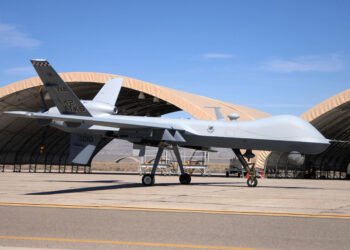
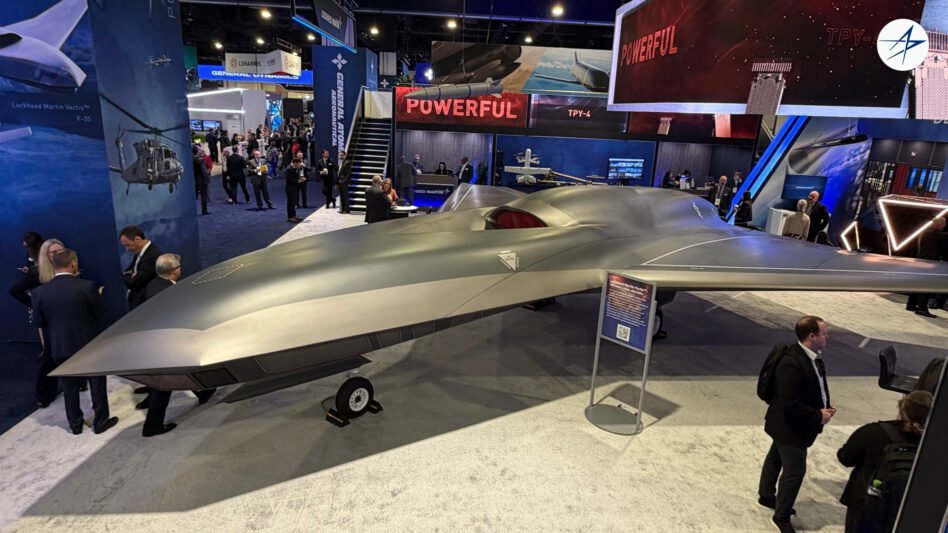
- Increment 1 Context: The USAF currently has two drone fighters entering active production: the FQ-44A Fury and the FQ-42A Vengeance.
- Lockheed’s Vectis Specs: The Vectis is a Group 5 UAS, measuring approximately 34 feet long with a 38-foot wingspan, making it slightly wider than an F-35A.
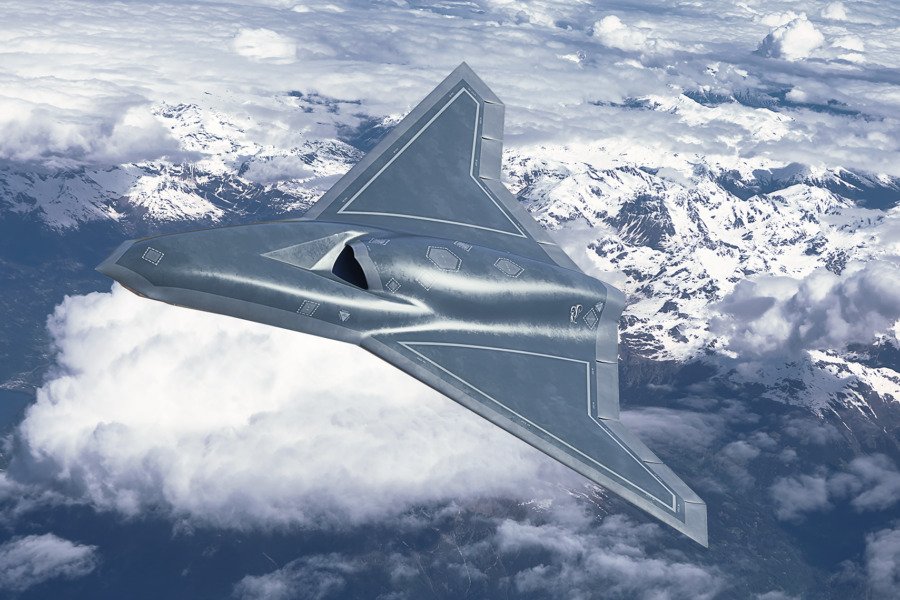
- Low Observability Focus: Unlike early attritable designs, Vectis prioritizes all-aspect stealth via a chine design, a recessed dorsal intake, and the removal of vertical tail surfaces.
- Economic Calculus: Lockheed calculates that a $35 million stealth drone with a 90% survival rate is mathematically more cost-effective per sortie than a $20 million attritable drone with a 50% survival rate.
The Shift From Attritable Mass to High-End Survivability
The first generation of CCA fighters, categorized by the Air Force as Increment 1, prioritizes affordability and speed to deployment. Platforms like the FQ-44A Fury and FQ-42A Vengeance function primarily as flying weapon bays. They carry AIM-120 AMRAAMs to supplement crewed fighters in contested airspace.
Lockheed Martin is self-funding the Vectis to target Increment 2 and beyond. Incorporating low-observable technology derived from the F-22, F-35, and its Next Generation Air Dominance (NGAD) proposals, the Vectis represents a shift toward exquisite capabilities. It features internal weapon bays capable of deploying both AIM-120 air-to-air missiles and GBU-53/B Small Diameter Bombs (SDB II).
Designing for Contested Airspace
Lockheed’s design choices for Vectis heavily emphasize survivability over raw kinematic performance.
- Dorsal Air Intake: Setting the single turbofan engine intake flush atop the fuselage achieves two operational goals. First, it shields the radar signature from ground-based early warning systems. Second, it reduces the risk of foreign object debris (FOD) ingestion during Agile Combat Employment (ACE) operations from austere runways. The trade-off is reduced air supply during high angle-of-attack maneuvers, indicating the aircraft is designed to evade detection rather than outmaneuver incoming missiles kinetically.
- Aerodynamic Profile: The lack of standing vertical tail surfaces and the inclusion of radar-absorbent edge treatments align the platform with sixth-generation design philosophies.
- Autonomous Architecture: Vectis builds on Lockheed’s extensive AI-piloting framework. The platform draws operational data from the X-62 VISTA program, Project Carrera, and recent autonomous dogfighting tests using L-29 surrogate jets to operate without constant datalink oversight.
The Cost-Benefit Math of Stealth Drones
Defense planners have debated the cost threshold for uncrewed wingmen. Early CCA requirements leaned toward disposable or attritable assets. Lockheed is betting the Pentagon will realize that high attrition rates ultimately negate initial procurement savings.
If a $20 million non-stealth CCA experiences a 50% attrition rate against advanced air defenses, the actual cost per reusable airframe effectively jumps to $40 million.# Lockheed Skunk Works Unveils Vectus: The High-End Bet on Next-Gen Autonomous Airpower
Lockheed Martin’s Skunk Works has unveiled a full-scale mockup and critical technical specifications for Vectus, an internally funded, highly autonomous Collaborative Combat Aircraft (CCA). While the U.S. Air Force’s initial Increment 1 platforms—Anduril’s FQ-44A Fury and General Atomics’ FQ-42A Vengeance—are designed primarily as lower-cost, air-to-air escort platforms, Vectus represents a shift toward multi-role stealth and high survivability.
Technical Specifications & Stealth Architecture
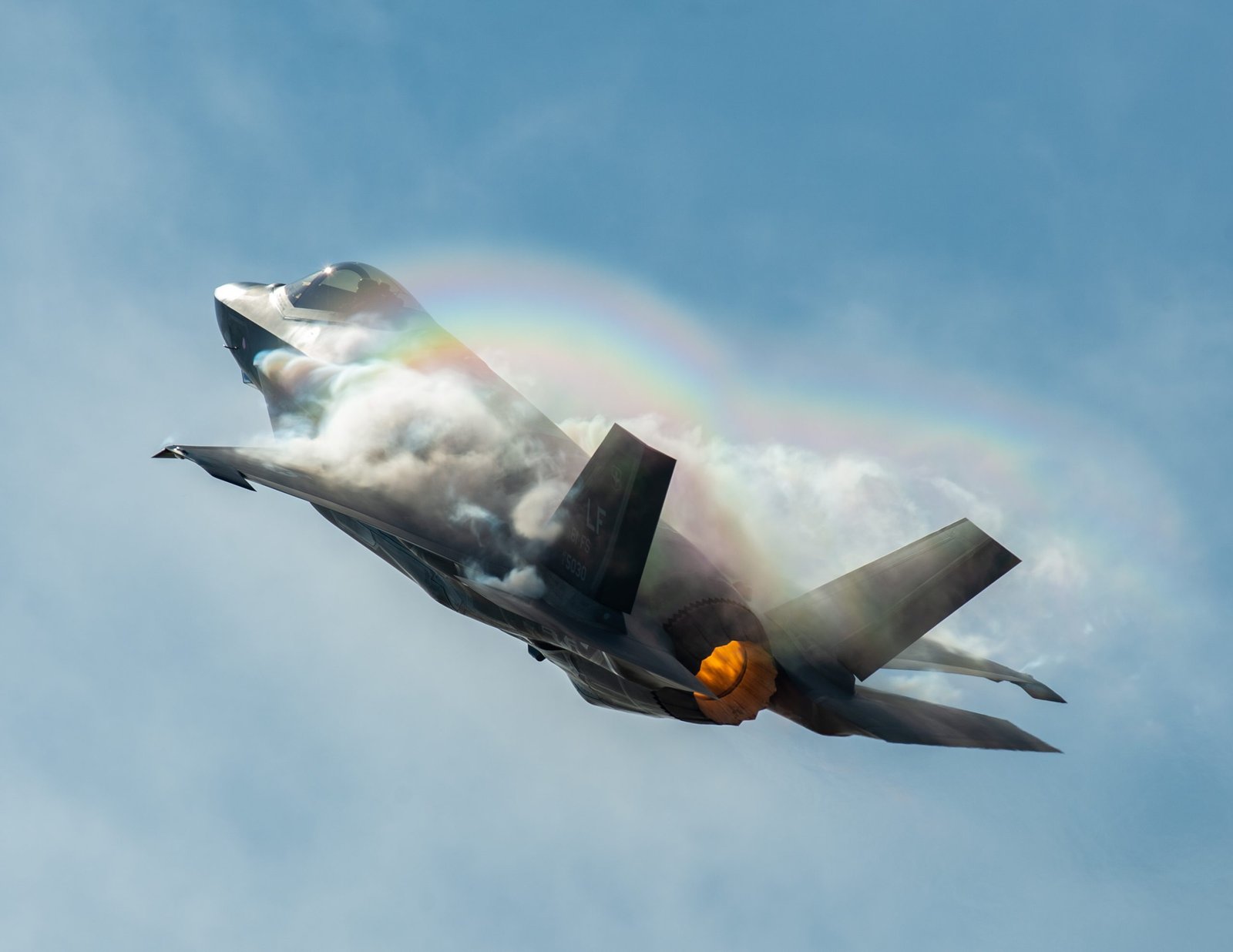
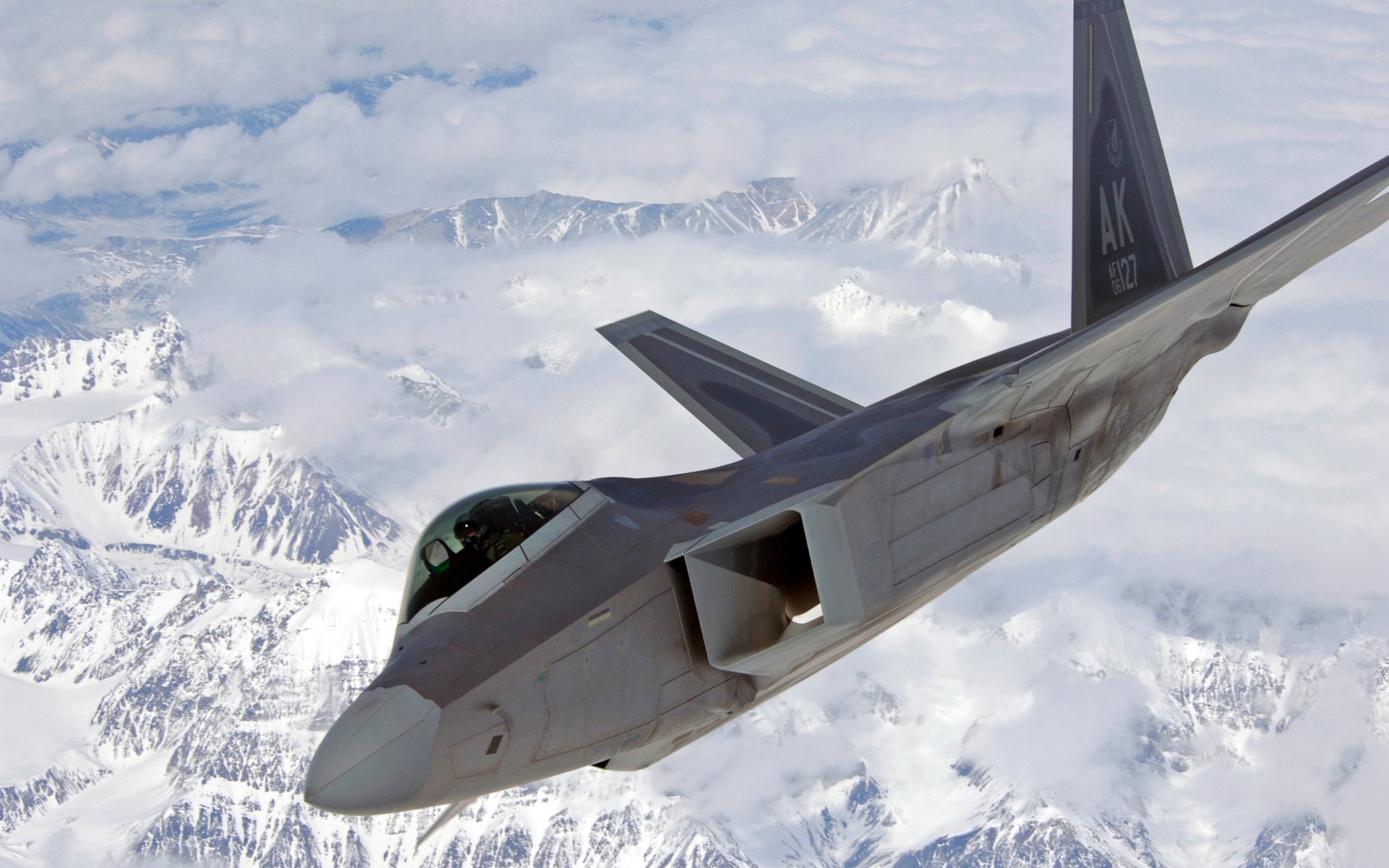
Vectus moves away from semi-attritable designs in favor of fifth- and sixth-generation low-observable (LO) technologies derived from the F-22, F-35, and Lockheed’s Next Generation Air Dominance (NGAD) research.
- Airframe Dimensions: Approximately 34 feet in length with a 38-foot wingspan (3 feet wider than an F-35A), placing it firmly in the Group 5 UAS category.
- Propulsion & Intake Design: Single turbofan engine fed by a low-profile, dorsal-mounted air intake to reduce radar signature and improve aerostructure range efficiency.
- Low Observability Features: Tailless planform, sharp chine lines, radar-absorbent edge treatments, and serrated internal weapons bays.
- Multi-Role Ordnance: Internal carriage capability for both air-to-air (AIM-120 AMRAAM) and air-to-ground (GBU-53/B StormBreaker) weapons.
- Austere Runway Compatibility: The top-mounted intake significantly reduces Foreign Object Damage (FOD) risks, supporting Agile Combat Employment (ACE) from dispersed, unpaved, or highway strips.
The Economic Math: Attritability vs. High-End Survivability
While Vectus will carry a higher price tag than early CCA concepts—likely well into the tens of millions—Lockheed’s value proposition relies on the long-term economics of platform survival in contested airspace.
| Platform Tier | Flyaway Unit Cost | Projected Survival Rate | Effective Cost Per Retained Asset |
| Mid-Range / Semi-Attritable | $20.0 Million | 50% | $40.0 Million |
| High-End Stealth (Vectus Class) | $35.0 Million | 90% | $38.9 Million |
By lowering attrition rates in heavy integrated air defense system (IADS) environments, higher-tier stealth drones provide lower overall cost-per-sortie over sustained campaigns.