KEY INTELLIGENCE
- Severe Fleet Attrition: Iranian and proxy forces have destroyed over 58 MQ-9 Reapers in two years, eliminating more than 25% of the total U.S. fleet.
- Massive Financial Impact: The loss of these drones represents a $1.74 billion deficit, equivalent to the cost of 18 F-35A stealth fighters or 90 M1A2 SEPv3 Abrams tanks.
- Obsolescence in Contested Airspace: The MQ-9’s 2.6-second control latency and 300 mph top speed render it structurally defenseless against modern surface-to-air missiles.
- The MMA Program Solution: The Pentagon requires a highly modular replacement drone capable of carrying 2,800 lbs of payload at a target unit cost of just $10 million.
- General Atomics’ Wildfire: The proposed replacement carries up to 4,000 lbs of ordnance, including four AGM-184 Kraken missiles, meeting all MMA program metrics at a third of legacy costs.
The Collapse of the Reaper Fleet in Contested Airspace
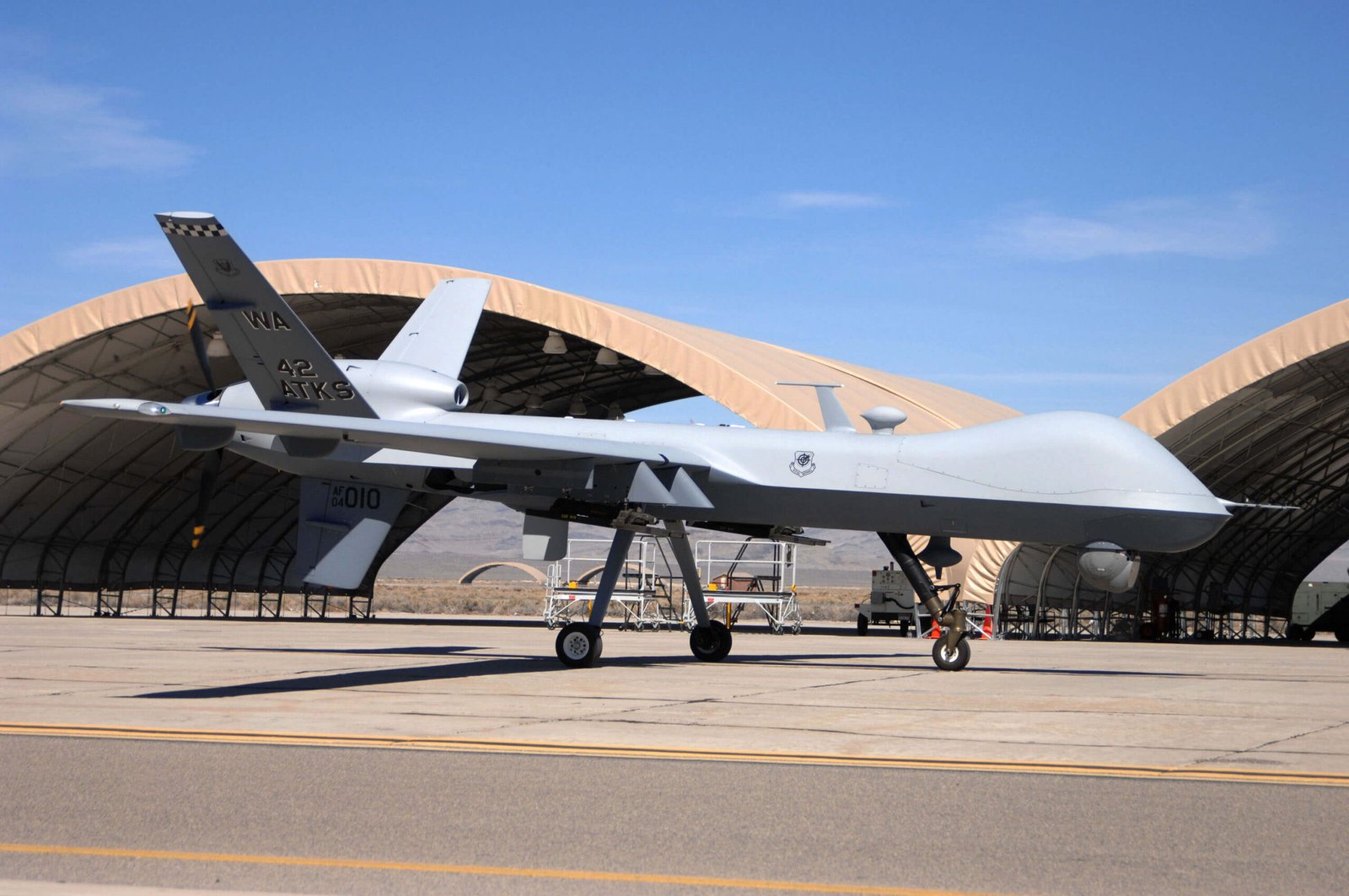
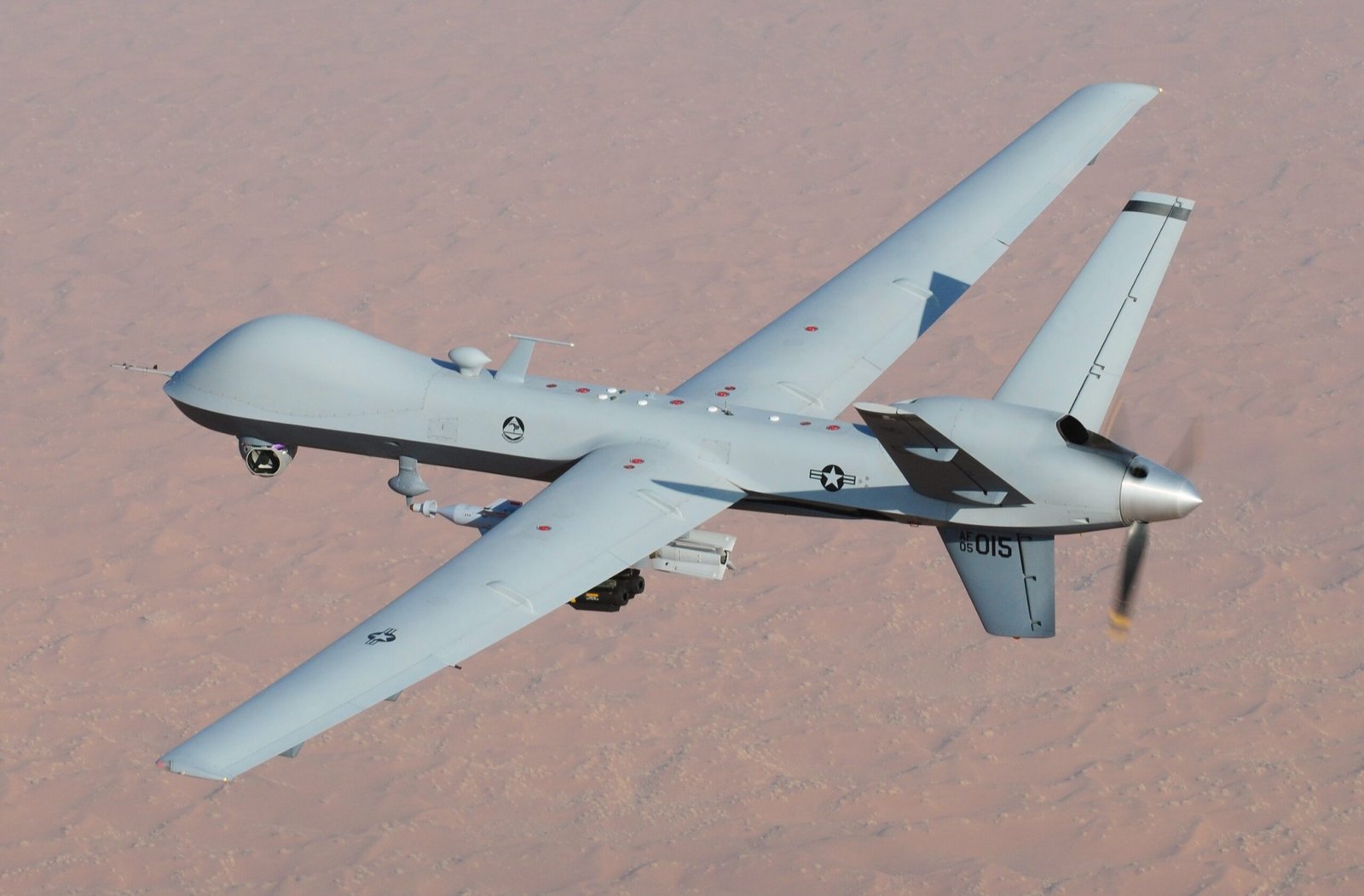
The MQ-9 Reaper entered service in 2007. It was built for permissive airspace. Its structural parameters—a 65-foot wingspan, a maximum speed of 300 mph, and a limit of 3.5 Gs—destroy its evasive capabilities.
Compounding this vulnerability is the latency of satellite command links. It takes 1.3 seconds for a signal to reach the operator. It takes another 1.3 seconds for the command to return. This 2.6-second delay is fatal.
The platform cannot react to inbound kinetic threats. Thats why Iranian proxy groups easily targeted these systems.
Financial Unsustainability of Current Operations
Cost is the real enemy. The baseline MQ-9 airframe costs $14 million. Once equipped with essential sensory payloads, that number jumps to between $25.8 million and $50 million.
Averaging $30 million per unit, the loss of 58 Reapers creates a $1.74 billion deficit. That matches the cost of 18 F-35A stealth fighters. It equals 90 M1A2 Abrams main battle tanks.
Equipping legacy platforms with automated countermeasures only reduces payload and inflates cost. The U.S. military cannot sustain this financial attrition.
The Massed Modular Aircraft (MMA) Program
The Pentagon initiated the Massed Modular Aircraft (MMA) program to stop the bleeding. The Air Force demands an unrefueled combat radius of 2,300 nautical miles. It requires a payload capacity of 2,800 lbs and a minimum speed of 200 knots.
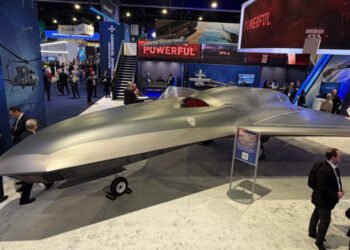
The procurement cost must hit $10 million per unit. General Atomics responded with the Wildfire. The design features a pusher-propeller and a nose-mounted electro-optical/infrared sensor turret.
Stealth is absent by design. Dropping radar-evading technology drastically lowers development, manufacturing, and maintenance costs.
Enhanced Lethality and Operational Outlook
General Atomics reports the Wildfire exceeds all MMA metrics. The airframe carries 4,000 lbs of underwing ordnance. This doubles the baseline requirement.
Initial renders show the platform carrying four AGM-184 Kraken (Joint Strike Missiles). This offers a massive stand-off strike upgrade compared to the MQ-9’s standard AGM-114 Hellfire loadout.
| Specification / Metric | MQ-9 Reaper (Legacy) | General Atomics Wildfire (Proposed) |
| Estimated Unit Cost | ~$30 million (Mission Equipped) | ~$10 million |
| Max Payload Capacity | ~3,750 lbs | ~4,000 lbs (Underwing) |
| Top Speed | ~300 mph | 230+ mph (200+ knots requirement) |
| Stealth Capabilities | None | None (Cost-reduction priority) |
| Primary Armament | Up to 8x AGM-114 Hellfire / R9X | Up to 4x AGM-184 Kraken / Modular |
| Fleet Attrition | >58 units lost to hostile fire | N/A (Targets 2029 deployment) |
FINAL ASSESSMENT: The MQ-9 Reaper is a liability in contested airspace. Its steep cost and severe lack of maneuverability present a major vulnerability against adversaries armed with modern surface-to-air missiles. The shift toward the Massed Modular Aircraft program represents a mandatory operational correction. Prioritizing mass, modularity, and affordability over exquisite stealth technology ensures the U.S. military can sustain high-tempo unmanned operations without crippling the defense budget.