Frontline Defense Journal | Objective OSINT & Military Analysis
  • Home
  • Latest Intelligence
  • Domain Of Warfare
    • Naval & Maritime
    • Air & Aerospace
    • Ground Forces & Armor
    • Unmanned & Autonomous Systems
    • Strategic Weapons
  • Regions
    • USA & Americas
    • Europe
    • Middle East
    • Asia & Pacific
  • Defense Archives
  • About Us
    • Who We Are
    • Privacy Policy
    • Terms Of Use
No Result
View All Result
  • Home
  • Latest Intelligence
  • Domain Of Warfare
    • Naval & Maritime
    • Air & Aerospace
    • Ground Forces & Armor
    • Unmanned & Autonomous Systems
    • Strategic Weapons
  • Regions
    • USA & Americas
    • Europe
    • Middle East
    • Asia & Pacific
  • Defense Archives
  • About Us
    • Who We Are
    • Privacy Policy
    • Terms Of Use
Frontline Defense Journal | Objective OSINT & Military Analysis
No Result
View All Result
Frontline Defense Journal | Objective OSINT & Military Analysis
No Result
View All Result
Home Regions Europe

Russia’s Shadow War on the UK: Cyber, Sabotage & Poseidon

September 13, 2026
Reading Time: 7 mins read
A A
Russia’s hybrid warfare tactics against the UK, from GRU cyberattacks to covert Akula-class subsea operations.
Share on FacebookShare On Reddit
  • Deep-Strike Proliferation: The UK has formally authorized the deployment of British-made BAE Systems Nyan jet-powered drones into Russian airspace and transferred classified manufacturing blueprints for the SCALP cruise missile to Kyiv, enabling strikes on protected command posts and oil refineries.
  • Financial Attrition: Britain remains Europe’s primary military backer of Ukraine, delivering €22.5 billion ($26.2 billion) in total bilateral aid since 2022, and legally committing to a minimum baseline of £3 billion ($4.07 billion) in military support annually through 2031.
  • Kinetic Hybrid Sabotage: Russian intelligence, functioning through the Special Activity Service (SSD) and GRU Unit 29155, has transitioned to physical sabotage on British soil, utilizing contracted Wagner-linked operatives to execute arson attacks on critical logistics hubs.
  • Cyber Infrastructure Casualties: State-aligned Russian hacking syndicates, including Unit 26165 (Fancy Bear), inflicted severe network disruptions across 85,000 UK businesses in 2024, causing an estimated £14.7 billion ($20 billion) in economic damage—equivalent to 0.5% of the UK’s annual GDP.
  • Accelerated Civil-Military Readiness: The UK Cabinet Office’s COBR committee has compressed its “Home Defense Program” transition deadline from 2035 to 2030, scheduling Operation Albiston Shadow for 2027 as the largest national emergency exercise in modern British history.

The SCALP Transfer and Deep-Strike Escalation

Britain’s geopolitical strategy has aggressively shifted from defensive military aid to enabling systemic deep strikes on the Russian mainland. During a recent deployment in August 2026, Ukrainian forces actively utilized the British-made BAE Systems Nyan jet-powered drone to penetrate Russian air defenses and strike oil infrastructure near Moscow.
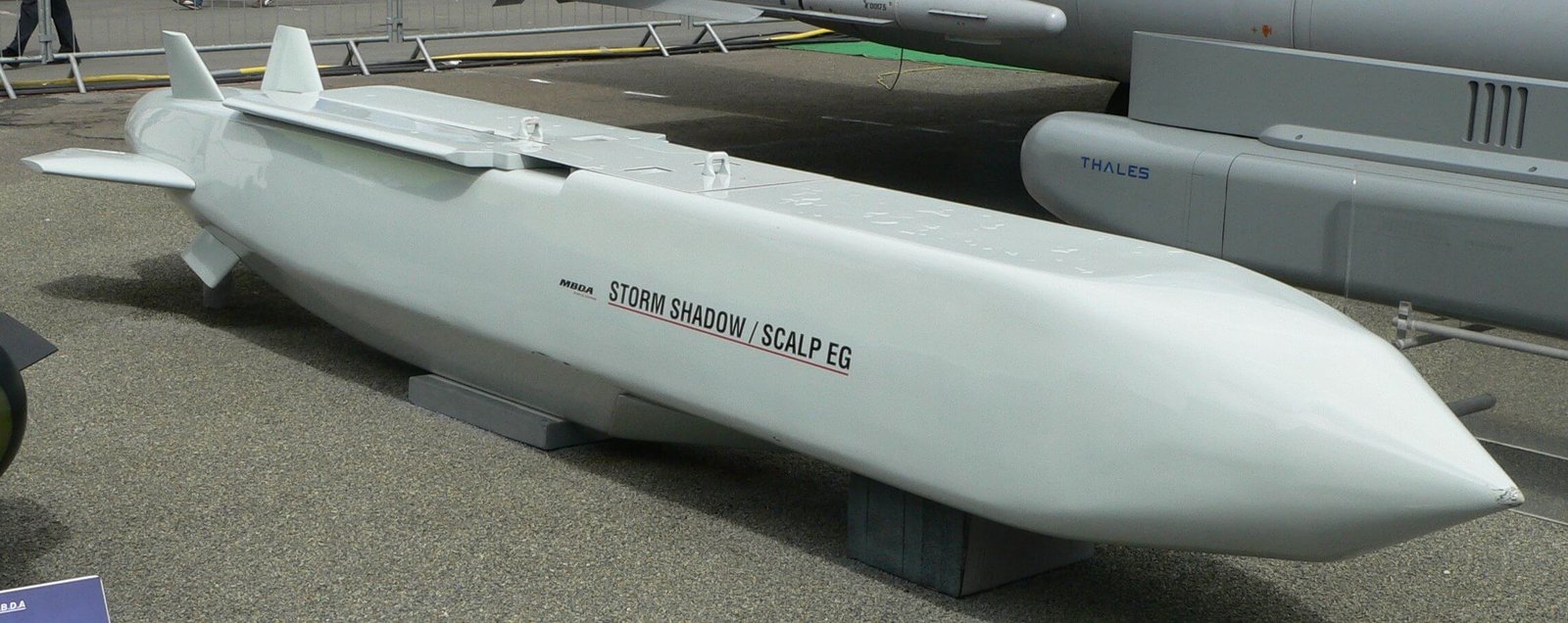
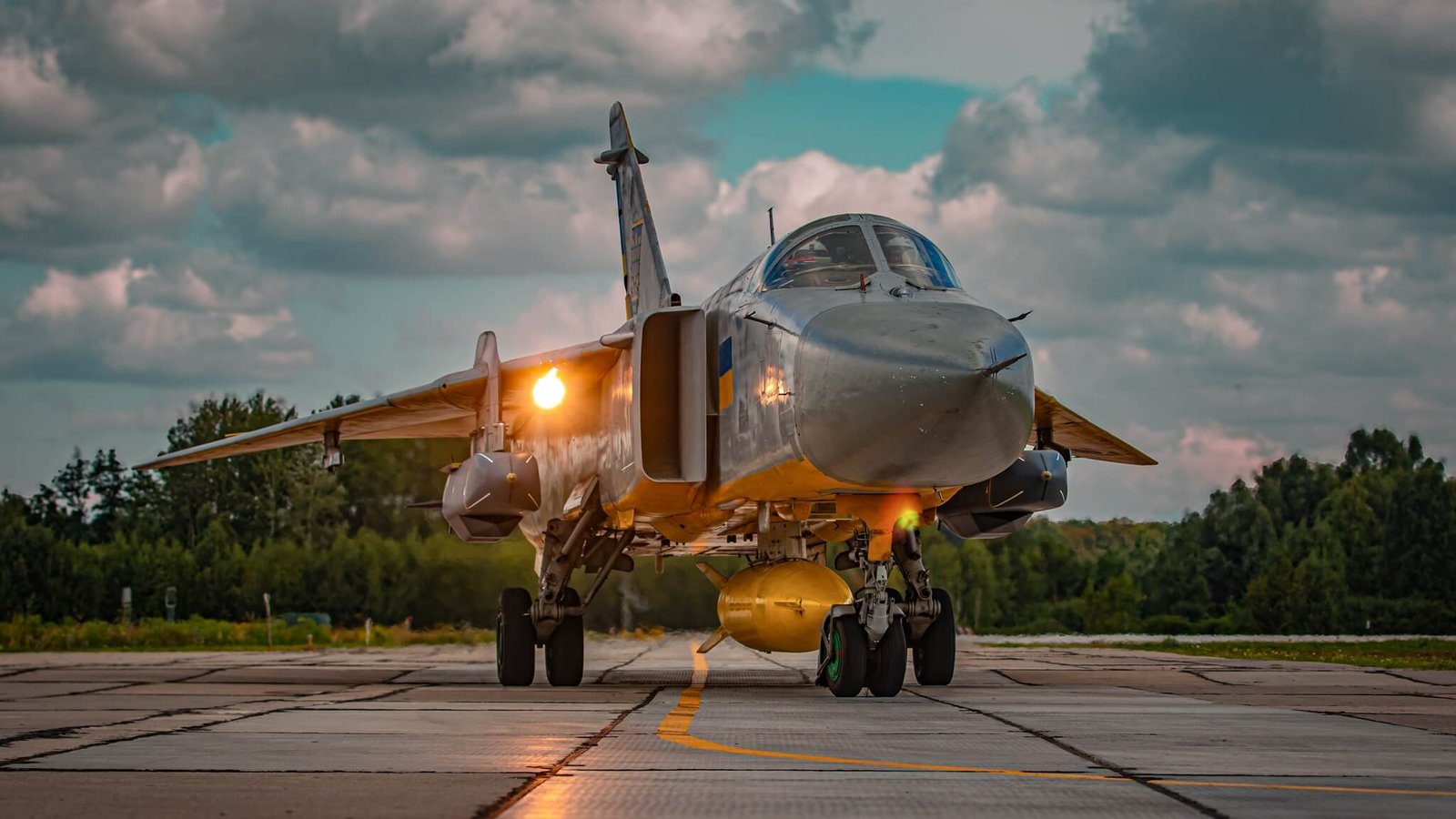
uk british Storm Shadow missile
Storm Shadow missile. Image by: David Monniaux
A Storm Shadow / SCALP EG cruise missile mounted on a ukrainian military aircraft su 24
The UK’s transfer of classified SCALP cruise missile blueprints to Kyiv represents a major escalation in deep-strike capability against Russian command posts. Image by: Vladyslav Demyanenko

Escalating the operational tempo further, the UK government has formally supplied Kyiv with the classified engineering blueprints required for domestic production of the SCALP/Storm Shadow cruise missile. This technology transfer functionally bypasses previous NATO export restrictions, providing Ukraine with a sovereign, highly lethal standoff capability to systematically degrade Russian command nodes.

Asymmetric Escalation: GRU Sabotage and Cyber Warfare

In direct retaliation, Moscow has unleashed a coordinated, multi-domain hybrid offensive against British civilian and logistical infrastructure. The Kremlin’s Special Activity Service (SSD)—heavily integrated with the assassination and sabotage specialists of GRU Unit 29155—has actively recruited proxy agents within the UK. This was demonstrated in early 2024 when Wagner-linked domestic criminals executed coordinated arson attacks against UK warehouses housing Starlink terminals and Ukrainian aid.

Simultaneously, the digital frontline has suffered devastating breaches. In June 2024, a targeted ransomware strike by Russian state-aligned actors crippled Synnovis, a major London pathology provider. The attack caused £32.7 million ($44.3 million) in structural damage, delayed over 11,000 critical surgical procedures, and directly compromised organ transplant logistics. GRU Unit 26165 (Fancy Bear) continues to actively exploit vulnerable commercial routers across the UK to establish persistent operational beachheads for future infrastructure attacks.

Subsea Vulnerability and The Poseidon Threat

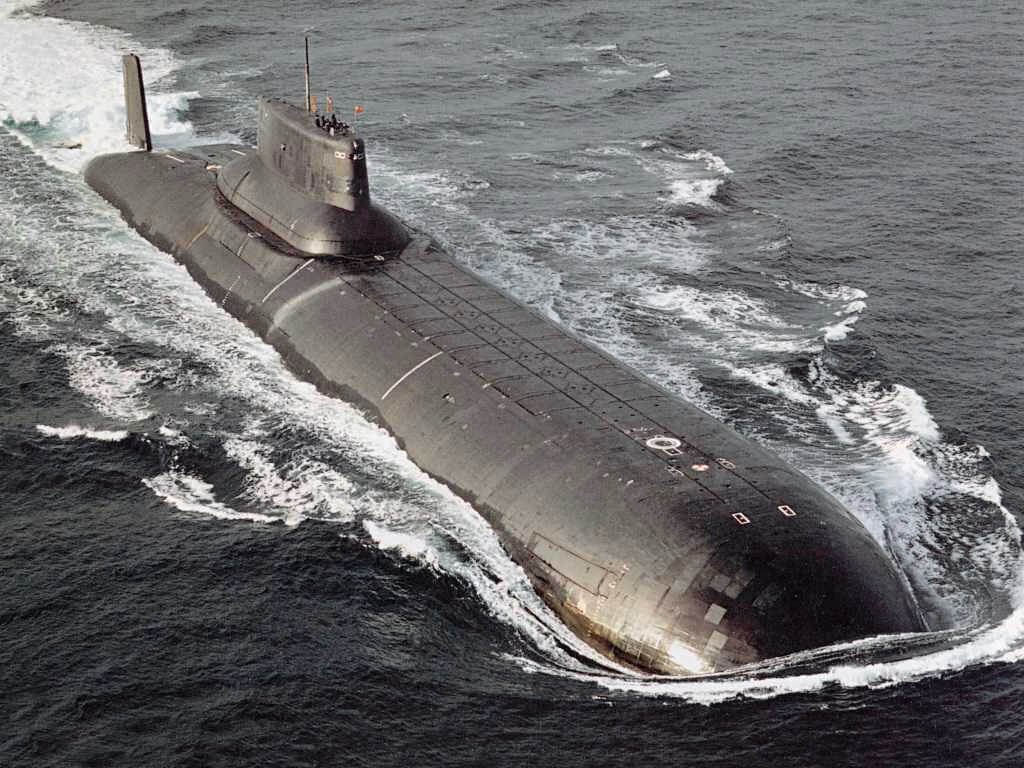
As an island nation, 99% of the UK’s international telecommunications and a massive percentage of its energy grid rely on exposed undersea pipelines and cables. In April 2026, the Ministry of Defense detected a covert Russian task force—comprising a nuclear-powered Akula-class submarine and two specialized deep-sea submersibles—operating in close proximity to the British coastline, signaling Moscow’s capability to instantly sever the UK from the global economy.
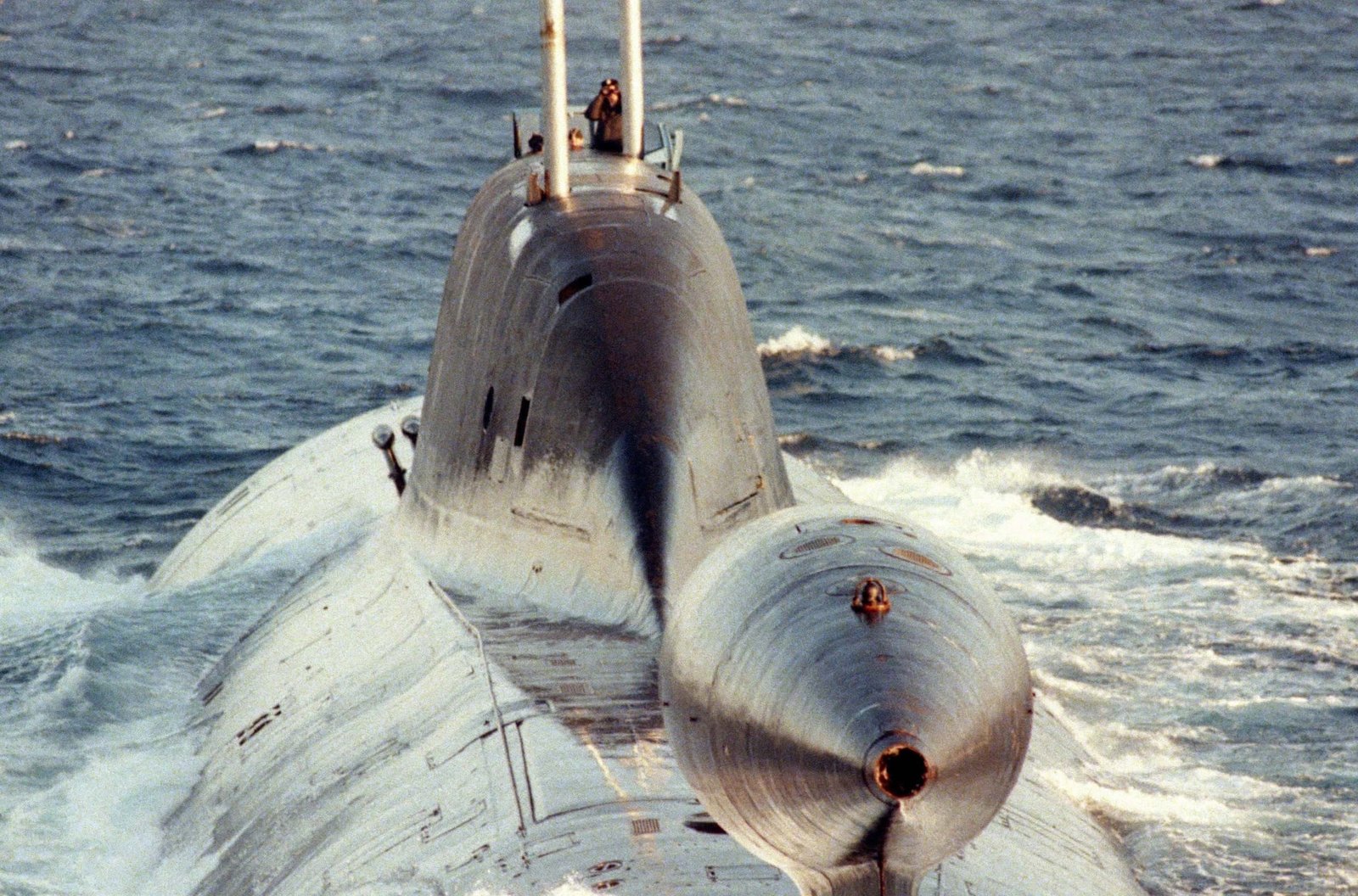
Russian submarine navigating surface waters and digital cyber threat graphics.
Russian Akula-class Submarine.

Russian state media has routinely amplified threats regarding the 2M39 Poseidon, an autonomous, nuclear-powered torpedo designed to detonate offshore and trigger highly radioactive tsunamis against coastal targets. In response to these maritime vulnerabilities, the UK Ministry of Defense has mobilized £100 million ($136 million) for advanced P-8 Poseidon submarine-hunting aircraft and earmarked over £5 billion ($6.8 billion) for autonomous defense systems to secure the maritime gray zone.

Operation Albiston Shadow and 2030 Readiness

Acknowledging the severe risk of structural escalation, Whitehall is quietly shifting the country to a pre-war footing. The Cabinet Office has drastically accelerated the Home Defense Program, moving the deadline for the government’s classified “war book” transition protocols forward from 2035 to 2030. This aligns directly with prevailing NATO intelligence estimates regarding the timeline for a potential direct clash with the Russian Federation.

To stress-test this new defense architecture, the UK’s COBR emergency committee is currently planning Operation Albiston Shadow for 2027. Designated as the largest national home defense exercise in British history, the operation will drill the military and civil sectors on total logistical resilience in the event of a catastrophic Russian cyber or kinetic strike on the homeland.

Operational DomainRussian Threat Asset / TacticTarget VectorUK Countermeasure / Financial Impact
Cyber WarfareGRU Unit 26165 (Fancy Bear)Hospitals, Logistics, Comm Routers£14.7B ($20B) total damage to 85,000 UK businesses in 2024
Kinetic SabotageGRU Unit 29155 / Wagner ProxiesDefense Warehouses, Aid DepotsDomestic intelligence sweeps, increased facility hardening
Subsea/MaritimeAkula-Class Subs, Deep-Sea DronesUndersea Comms Cables, Gas Pipelines£100M investment in P-8 sub-hunters, £5B in autonomous naval defense
Strategic/Nuclear2M39 Poseidon TorpedoCoastal Infrastructure (Tsunami Threat)Acceleration of the UK “war book” to 2030
Civil DefenseStrategic Coercion, State PropagandaSocietal Cohesion, Regime PoliticsOp Albiston Shadow (2027); £600M budget increase for intelligence

The United Kingdom is no longer merely a proxy sponsor in the Russo-Ukrainian war; it is an active combatant in an unrestricted, low-intensity hybrid conflict with Moscow. Russia’s geographic distance is irrelevant given its demonstrated capacity to bypass conventional military defenses using GRU cyber-sabotage and subsea disruption. The UK’s decision to compress its national mobilization timeline from 2035 to 2030 highlights a stark intelligence consensus: the threat of an infrastructure-crippling attack on British soil is no longer hypothetical, requiring immediate, large-scale civil and military hardening.

Tags: GeopoliticsNATOuk

Related Posts

Saab 340 AEW&C (ASC 890) aircraft featuring the fixed rectangular Erieye AESA radar fairing on its fuselage.
Air & Aerospace

ASC 890 AEW&C: Ukraine’s New Aerial Radar Blinds Russia

September 14, 2026
MIM-104 Patriot surface-to-air missile system launching an interceptor at night against an incoming ballistic target.
Europe

Russia Strikes NATO Border Amid Ukraine Interceptor Crisis

September 13, 2026
A member of British No. 9 Commando at Anzio equipped for a patrol with his Bren gun 5 March 1944.
Defense Archives

The Evolution of the British Army Infantry Section (WWI to 2026)

September 12, 2026
Next Post
A B-2 Spirit stealth bomber flying with GBU-57 MOP explosions detonating across a desert landscape below.

Targeting Pickaxe Mountain: GBU-72 Strike on Iran Site

Leave a Reply Cancel reply

Your email address will not be published. Required fields are marked *

I agree to the Terms & Conditions and Privacy Policy.

Latest Intelligence

ASC 890 AEW&C: Ukraine’s New Aerial Radar Blinds Russia

US Navy Ohio-Class SSBN: America’s Ultimate Nuke Deterrent

Russia Strikes NATO Border Amid Ukraine Interceptor Crisis

Gulf Escalation: Qeshm Strike, LUCAS Drones & China Intel

USAF Pursues Medium-Caliber Guns to Defeat Drone Swarms

Targeting Pickaxe Mountain: GBU-72 Strike on Iran Site

Domain Of Warfare

A member of British No. 9 Commando at Anzio equipped for a patrol with his Bren gun 5 March 1944.
Defense Archives

The Evolution of the British Army Infantry Section (WWI to 2026)

Hsiung Feng III anti-ship missile launched from a missile launchers truck
Asia & Pacific

Taiwan’s $35B Defense Hike: The Drone ‘Hellscape’ Strategy

Map of the Falkland Islands
USA & Americas

Could Argentina Retake the Falklands in 2026? A Military Analysis

A B-2 Spirit bomber deployed from Whiteman Air Force Base, Missouri, flies near Joint Base Pearl Harbor-Hickam, Hawaii, during an interoperability training mission Jan. 15, 2019. The aircraft are flying in support of a U.S. Strategic Command Bomber Task Force mission. U.S. Strategic Command’s Bomber Forces regularly conduct combined theater security cooperation engagements with allies and partners, demonstrating the U.S. capability to command, control and conduct bomber missions across the globe.
Air & Aerospace

B-2 Spirit Stealth Bomber: $2B Payload & Tactical Breakdown

Defense Archives

The Evolution of the British Army Infantry Section (WWI to 2026)

A member of British No. 9 Commando at Anzio equipped for a patrol with his Bren gun 5 March 1944.

BOTTOM LINE UP FRONT WWI & The All Arms Concept (1916-1918): Prompted by massive losses at the Somme, the British...

Read moreDetails

WWII Submachine Gun Production Costs: Economics of Infantry Firepower

A British soldier equipped with a Thompson M1928 submachine gun in November 1940

BOTTOM LINE UP FRONT American Economic Burden: The U.S. Thompson M1A1 was the most expensive SMG fielded by any major...

Read moreDetails

Operation Serval: French Expeditionary Tactics & Mobile Warfare in Mali

Northern Mali conflict Map 2013 Operation Serval

BLUF Immediate Threat Nullification: An initial assault force of 1,000+ Islamist fighters mounted in up to 300 technicals was successfully...

Read moreDetails

USMC J-Series Division: Force Restructuring for the Nuclear Battlefield

U.S. Marines conducting amphibious operations in Landing Vehicle Tracked (LVT) platforms during the late 1940s.

Bottom Line Up Front Catastrophic Force Contraction: Active-duty USMC personnel collapsed from a wartime peak of 485,000 in August 1945...

Read moreDetails

Frontline Defense is an independent, objective analysis platform. The content provided on this website, including but not limited to technical breakdowns, military hardware comparisons, defense budget reports, and open-source intelligence (OSINT) analyses, is strictly for educational, historical, and informational purposes. Frontline Defense is not affiliated with, endorsed by, or acting on behalf of any government agency, department of defense, armed forces branch, or defense contractor. All content on this site represents independent research based strictly on unclassified, publicly available data and open-source records at the time of writing. Nothing published on this website should be construed as official military guidance, defense strategy consulting, or government policy.

Follow Us

Domain Of Warfare

  • Naval & Maritime
  • Air & Aerospace
  • Ground Forces & Armor
  • Strategic Weapons
  • Unmanned & Autonomous Systems

Regions

  • USA & Americas
  • Europe
  • Middle East
  • Asia & Pacific
  • About Us
  • Privacy Policy
  • Terms Of Use

© 2026 | Fronline Defense Journal. All Rights Reserved

No Result
View All Result
  • Home
  • Latest Intelligence
  • Domain Of Warfare
    • Naval & Maritime
    • Air & Aerospace
    • Ground Forces & Armor
    • Unmanned & Autonomous Systems
    • Strategic Weapons
  • Regions
    • USA & Americas
    • Europe
    • Middle East
    • Asia & Pacific
  • Defense Archives
  • About Us
    • Who We Are
    • Privacy Policy
    • Terms Of Use

© 2026 | Fronline Defense Journal. All Rights Reserved