Key Intelligence: S-400 Operational Capabilities & Limitations
- Legacy Hardware Foundation: Despite its modern reputation, 70-80% of the S-400’s hardware architecture is directly inherited from the Cold War-era S-300 system.
- Targeting vs. Detection Gap: The Nebo-M radar can detect stealth aircraft at range using low-frequency bands, but cannot establish a “weapons-grade lock” on an F-35 until the fighter breaches a 20-mile proximity envelope.
- Saturation Vulnerability: A standard S-400 battalion possesses only 32 ready-to-fire interceptors (8 launchers x 4 missiles), making it mathematically susceptible to swarm tactics like the US Rapid Dragon cruise missile deployment.
- Line-of-Sight Blind Spots: Lacking robust airborne early warning (AWACS) integration, isolated S-400 batteries are fundamentally blind to low-altitude standoff weapons masked by terrain curvature, reducing effective interception ranges from hundreds of kilometers down to mere tens of kilometers.
The Nebo-M Radar Architecture: Detection Is Not Targeting
The cornerstone of the S-400’s counter-stealth claim is its integration of the Nebo-M radar system. This complex pairs three distinct arrays broadcasting across multiple frequency bands to mitigate the low-observable characteristics of Western stealth fighters. Modern stealth design is optimized to defeat high-frequency S, C, X, and Ku bands—the exact frequencies required to guide a surface-to-air missile to a target.
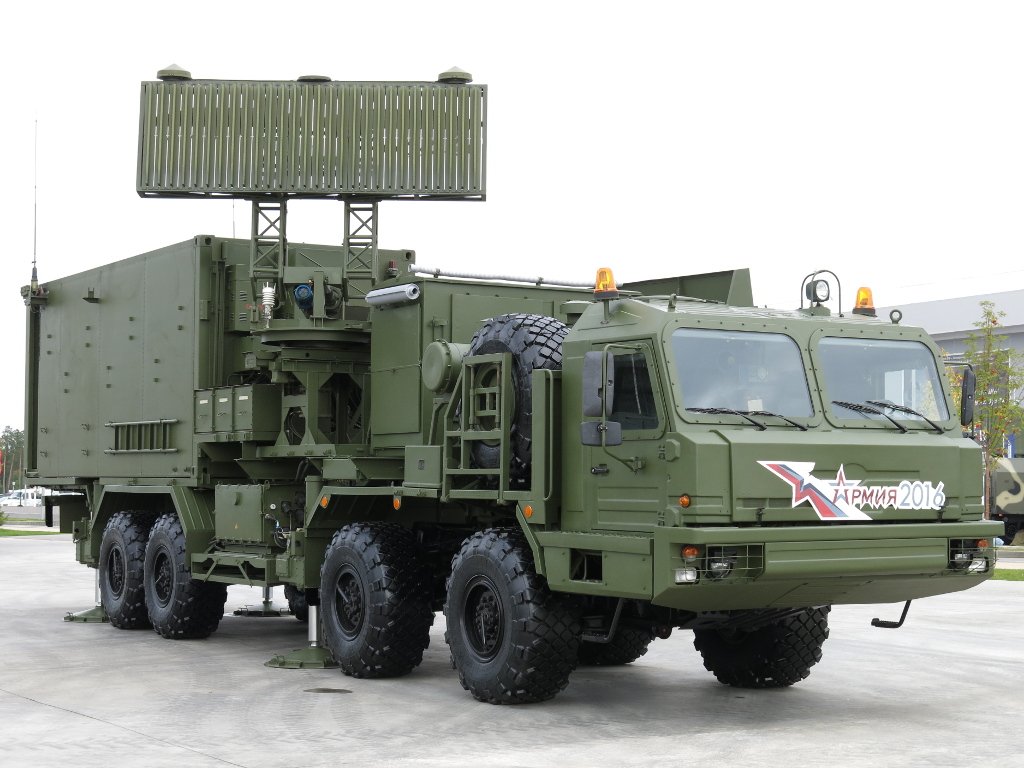
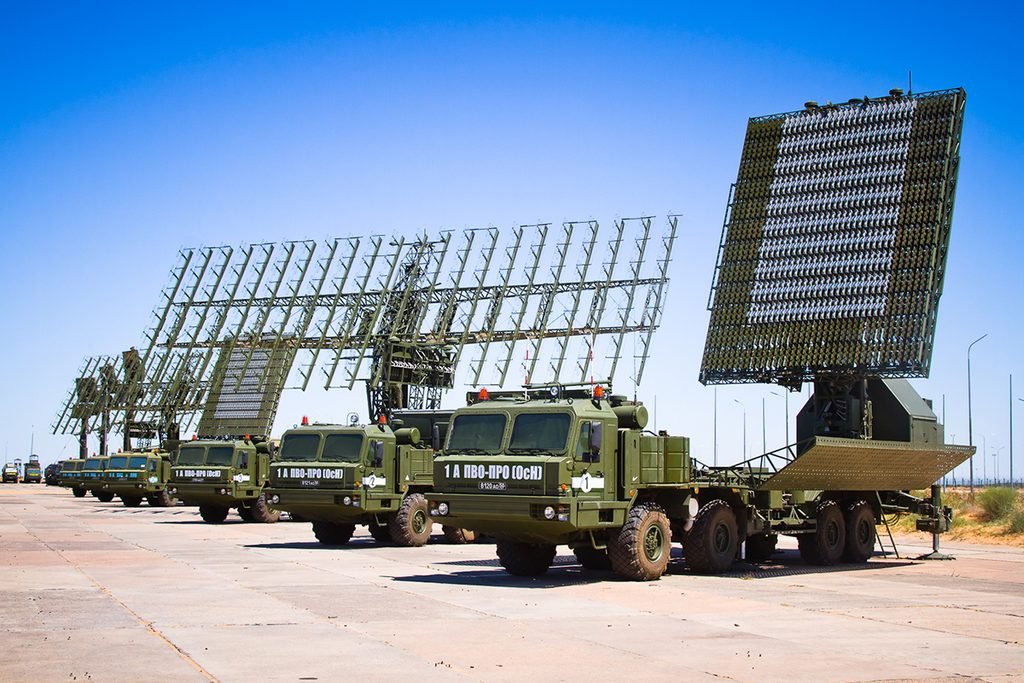
To bypass this, Nebo-M utilizes the Nebo SVU (VHF band) and Protivnik G (L band) to detect the general presence of a stealth aircraft. However, these low-frequency arrays cannot provide a targeting solution. The system must track the aircraft until it comes close enough for the Gamma S1 (S and X band) array to lock on. In modern air combat, knowing a stealth fighter is in the airspace is tactically useless if your fire control radar cannot guide an interceptor to its coordinates.
The F-35 vs. S-400: Radar Cross Section (RCS) Realities
When evaluating stealth survivability, Radar Cross Section (RCS) is the decisive metric. Much of the S-400’s touted counter-stealth data is modeled against America’s first-generation stealth aircraft, the F-117 Nighthawk, which possessed an RCS of approximately 0.003 square meters. Against the F-117, Russian low-frequency arrays boast a detection range of 217 miles (350 km) in clean environments.
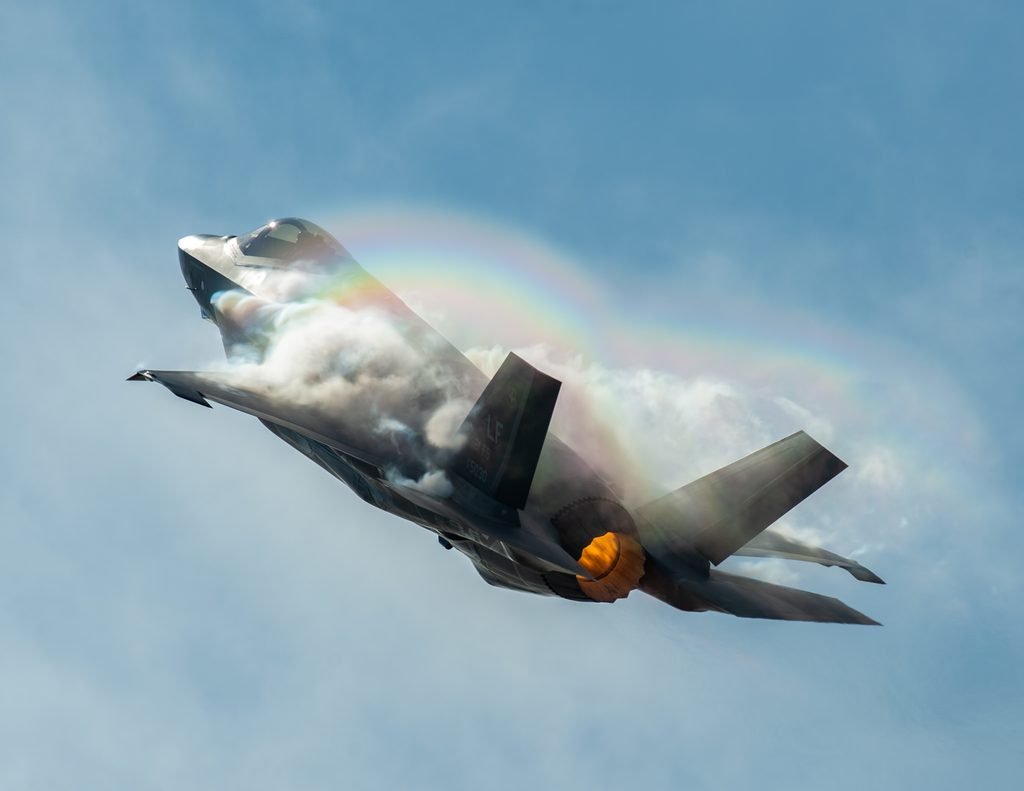
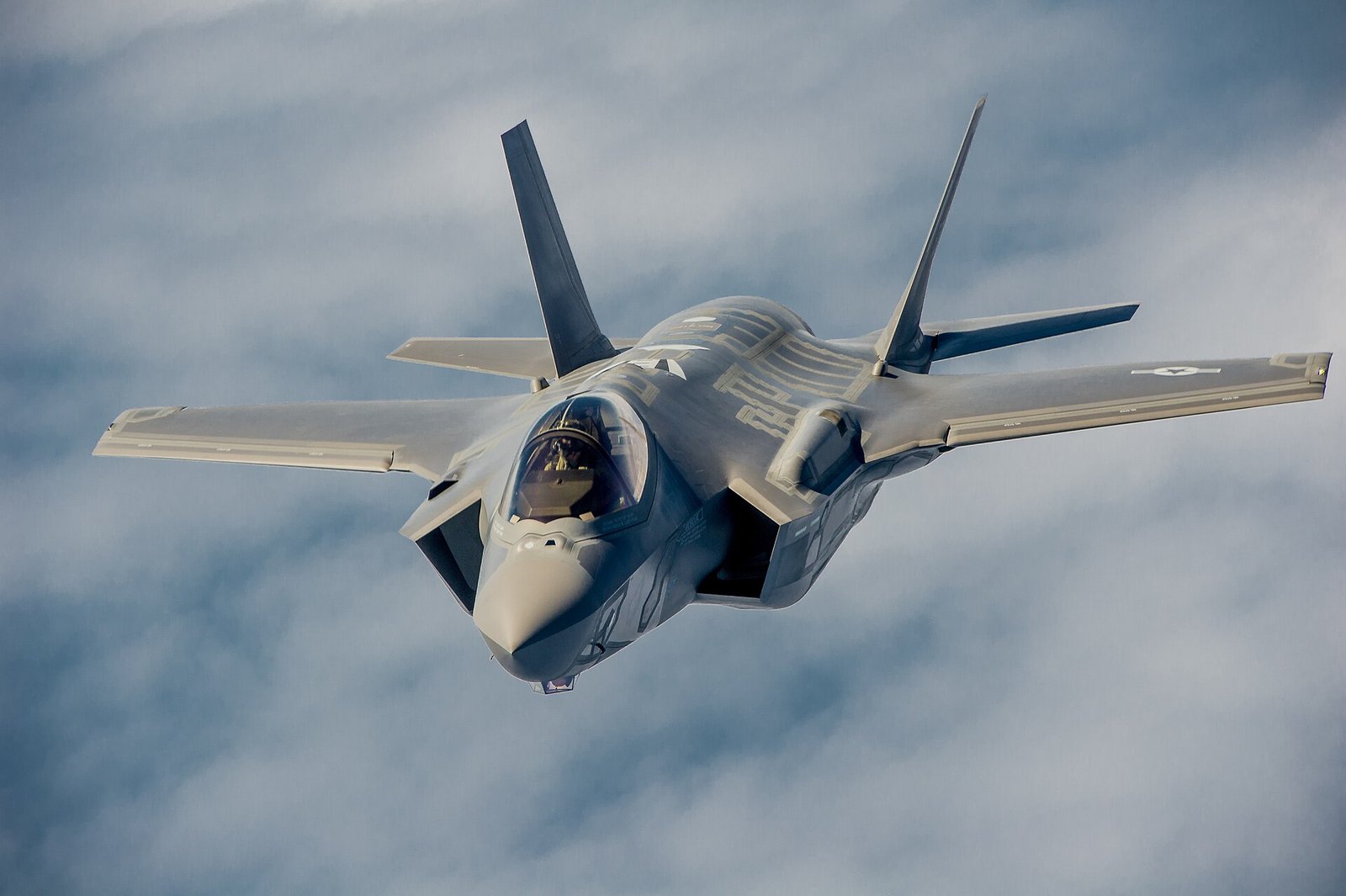
Modern fifth-generation fighters render these legacy metrics obsolete. The F-35 Lightning II features an RCS of approximately 0.0015 square meters (the size of a golf ball), while the F-22 Raptor sits at 0.0001 square meters (a marble). Due to this exponential reduction in signature, the S-400 cannot achieve a weapons-grade targeting lock on an F-35 until the aircraft is within 20 miles. Armed with the upcoming AARGM-ER anti-radiation missile (range >60 miles), an F-35 can easily destroy an S-400 battery long before the Russian system can fire back.
Operational Vulnerabilities: Line-of-Sight and Saturation Attacks
The physical limitations of the earth’s curvature represent the S-400’s most exploitable vulnerability. Like all ground-based systems, its radar is restricted by the horizon. Because Russian combat doctrine does not prioritize total air dominance, they lack the persistent AWACS (Airborne Warning and Control System) networking required to see over the horizon.
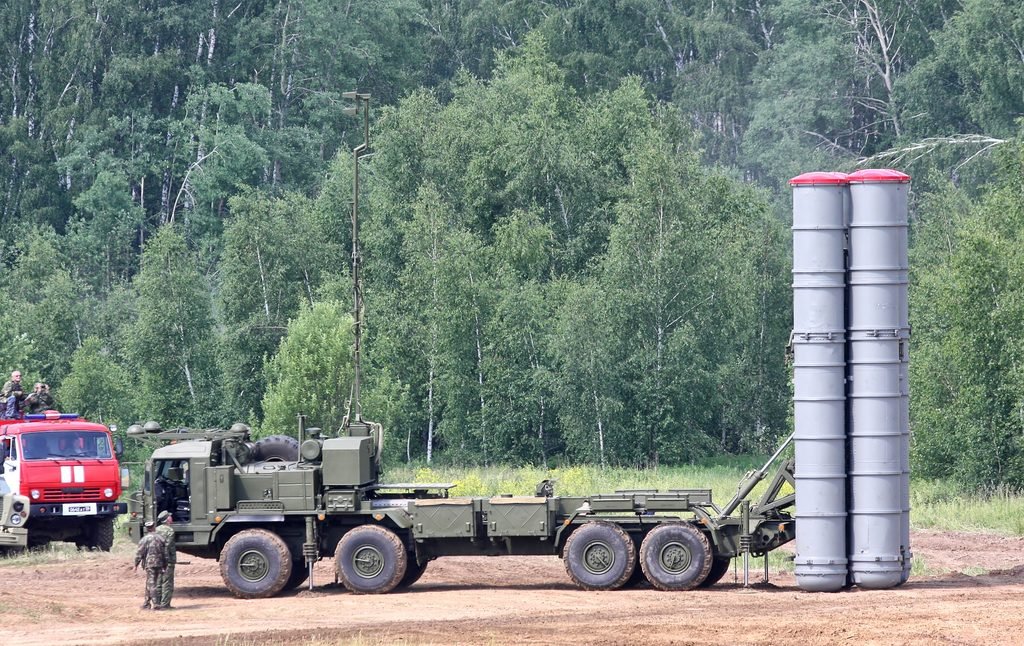
Without over-the-horizon sensor integration, an S-400 battery is effectively blind to low-altitude cruise missiles. Combat data from Syria in April 2017 proved this: active S-400 systems failed to intercept American cruise missiles striking targets just 108 miles (175 km) away. Furthermore, with a strict limit of 32 interceptors per battalion, the system is highly vulnerable to saturation attacks. Cargo aircraft deploying massive swarms of low-observable cruise missiles from beyond 600 miles (via systems like Rapid Dragon) would quickly deplete the S-400’s magazine, leaving the battery defenseless.
5. INFORMATION-DENSE MARKDOWN TABLE
Stealth Aircraft RCS vs. Estimated S-400 Engagement Metrics
| Aircraft Platform | Est. Radar Cross Section (RCS) | Physical Equivalent | S-400 Max Detection Range (VHF/L Band) | S-400 Lethal Targeting Envelope (S/X Band) |
| F-117 Nighthawk (Legacy) | ~0.003 m² | Large Bird | 217 miles (350 km) | ~70-100 miles |
| F-35 Lightning II | ~0.0015 m² | Golf Ball | Severely degraded | < 20 miles |
| F-22 Raptor | ~0.0001 m² | Marble | Severely degraded | < 10 miles |
| Low-Altitude Cruise Missile | Varies (Terrain Masked) | N/A | Defeated by Horizon | Tens of kilometers |
Strategic Assessment
The S-400 Triumph is not the impenetrable anti-access/area-denial (A2/AD) shield Russian state media projects. While highly lethal against legacy 4th-generation fighters and commercial-sized aircraft at high altitudes, its counter-stealth capabilities are heavily overstated due to the fundamental physics separating low-frequency detection from high-frequency targeting. Most critically, its reliance on ground-based radar without robust airborne integration leaves isolated batteries acutely vulnerable to low-altitude cruise missile saturation. Against a modernized force deploying F-35s equipped with standoff anti-radiation munitions, the S-400 will consistently find itself outranged and outmaneuvered.