KEY INTELLIGENCE
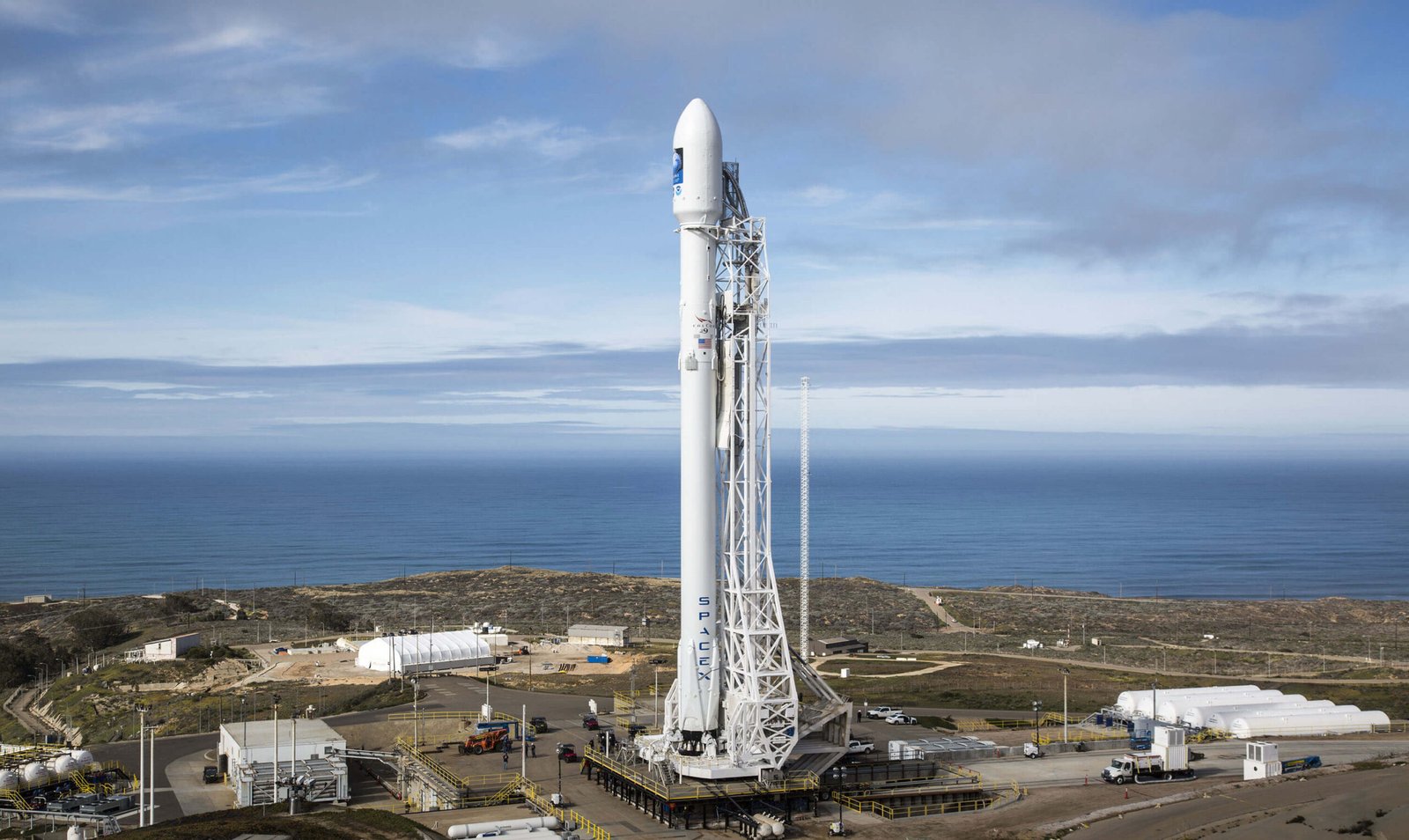
- Reusable boosters drop orbital lift costs from $54,000/kg (Space Shuttle) to $3,000/kg (Falcon 9).
- SpaceX dominates low Earth orbit with over 10,000 Starlink satellites, controlling two-thirds of active orbital assets.
- China successfully executed an offshore net recovery of an orbital-class booster in July 2026.
- Lunar ice functions as raw propellant (hydrogen and oxygen), reducing deep space launch costs by leveraging the Moon’s 1/6 G gravity well.
- Prime landing sites are restricted to narrow crater rims offering peak sunlight proximity to permanently shadowed ice deposits.
Launch Economics and First Mover Dynamics
Space travel historically faced restrictive payload cost barriers. NASA expended $54,000 per kilo to insert mass into low Earth orbit utilizing the Space Shuttle. Launch vehicles operated as expendable hardware. The financial burden isolated lunar resource extraction as mathematically non-viable.
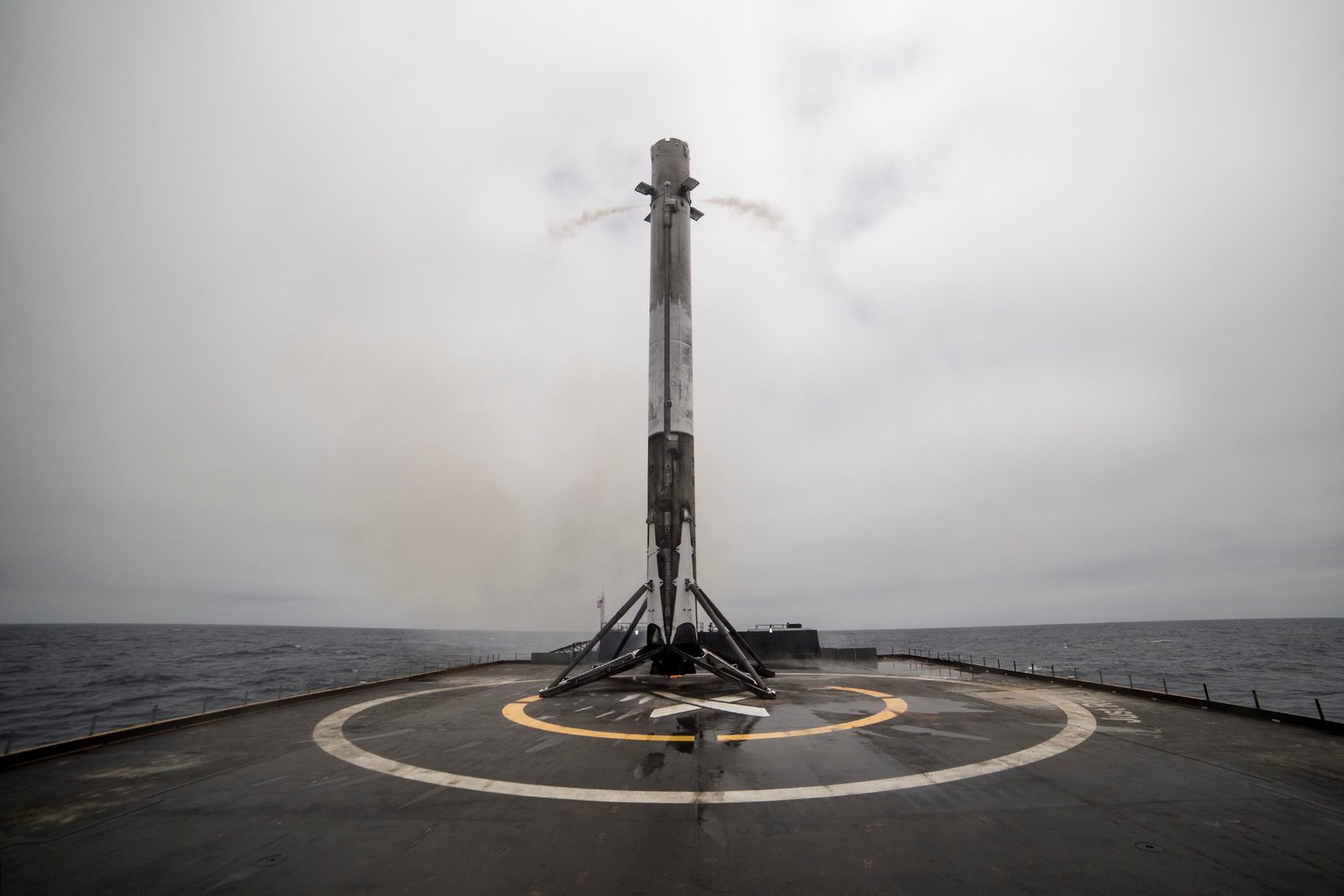
The introduction of reusable launch vehicles disrupts this calculus. The SpaceX Falcon 9 reduced insertion costs to $3,000 per kilo. SpaceX established immediate dominance in low Earth orbit, completing over 600 booster landings. China acknowledged this strategic gap. Beijing recovered its first orbital-class booster via an offshore net system in July 2026. This capability validates their intention to establish parity in launch economics.
Strategic Geometry of the Lunar South Pole
The tactical value of theMoon relies entirely on its localized water ice. The 2009 LCROSS mission confirmed extensive ice deposits within permanently shadowed craters. Refining lunar ice into breathable oxygen and rocket fuel allows the Moon to function as an orbital refueling hub. Escaping the Moon requires a fraction of the thrust needed on Earth due to the lack of atmosphere and low gravity.
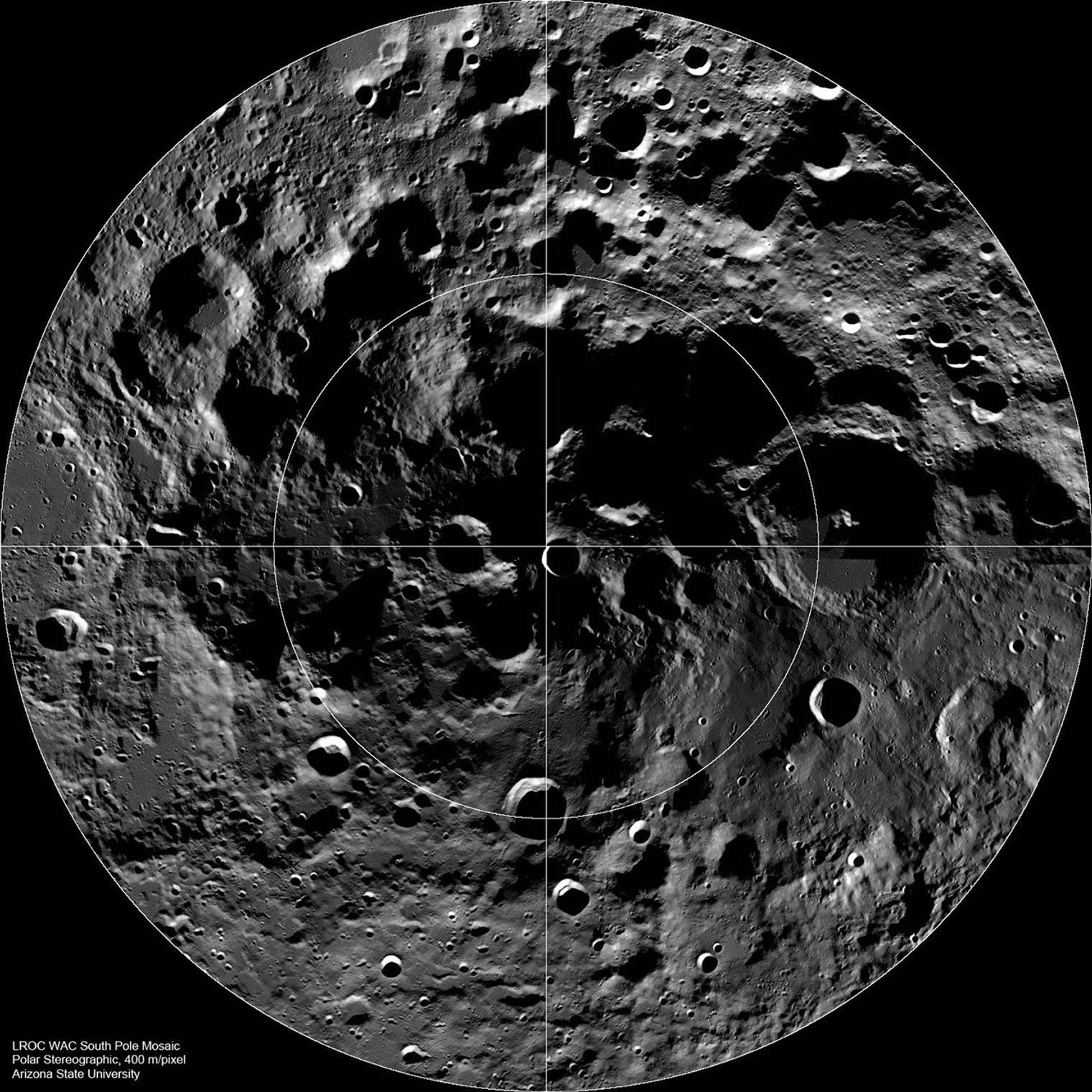
Operations require continuous solar power. Teams must land on narrow ridge-lines that receive regular sunlight, while maintaining immediate access to deep, unlit craters holding the ice. A 2023 Chinese survey mapped a 300-square-kilometer zone at the south pole. They found only 0.3% of the terrain receives sunlight for more than half the lunar cycle. The geography forces competitors to target the exact same operational footprint.
Chang’e 7 and Targeted Resource Extraction
China rapidly operationalized its lunar extraction strategy. The upcoming Chang’e 7 mission directly targets the Shackleton crater. The mission architecture deploys an orbiter, lander, rover, and an autonomous hopping probe. The hopper traverses the extreme vertical gradients between the sunlit crater rim and the shadowed floor.
The hopper executes flights exceeding 10 kilometers. It enters the dark zone, drills for ice samples, and returns to the sunlit rim to recharge. NASA maintains a target list of nine regions for the upcoming Artemis crewed landings. The primary U.S. target, the de Gerlache crater, directly connects to Shackleton via a ridgeline. Both powers are converging on the same tactical chokepoints.
Legal Ambiguity and Future Posture
The international legal framework governing off-planet resource extraction lacks enforcement mechanisms. The 1967 Outer Space Treaty prohibits direct national appropriation of celestial bodies. However, it fails to regulate resource utilization.
Washington drafted the Artemis Accords to establish legal precedent. The framework argues that resource extraction does not equal national appropriation. Over 70 countries signed the document, yet major competitors like Russia and China refused. Both the $20 billion NASA lunar base and the Chinese-led International Lunar Research Station are advancing into an unregulated domain.
| Nation | Program | Objective | Hardware Capabilities | Status |
| China (CNSA) | Chang’e 7 | Lunar South Pole (Shackleton Crater) | Orbiter, lander, rover, autonomous ice hopper | Launch target 2027+ |
| United States (NASA) | Artemis Program | Lunar South Pole (9 potential regions) | Crewed surface ops, $20B lunar base infrastructure | Crewed landing target 2028 |
| United States (SpaceX) | Starship / Falcon 9 | Orbital insertion / LEO dominance | >600 booster landings, ~10,000 Starlink satellites | Operational / Dominant |
| China (State / Commercial) | Qianfan Network | LEO constellation / launch cost reduction | Offshore net booster recovery, megaconstellation | Active / In-development |