BOTTOM LINE UP FRONT
- 100% Target Orbit Failure (July 2026): All 16 Rassvet satellites launched in July failed to reach the 870-kilometer target altitude, languishing in low-Earth orbit (300–400 km) and burning excess propellant to fight atmospheric drag.
- Catastrophic Hardware Attrition: Of the 32 total satellites launched across March and July 2026, only 12 reached their anticipated 550-kilometer holding altitudes, generating an operational failure rate exponentially higher than SpaceX’s Starlink iterations.
- Critical Launch Bottleneck: Russia requires at least 18 Soyuz-2.1b launches to deploy the planned 250-satellite baseline by 2027. Roscosmos currently averages just 6 to 8 launches annually.
- Supply Chain Decapitation: Ukrainian strikes using FP-5 Flamingo cruise missiles in August 2026 hit the TsSKB-Progress plant in Samara—Russia’s sole manufacturing site for Soyuz rockets, functionally crippling launch logistics.
- Frontline C2 Degradation: Without Starlink, Russian forward assault units are experiencing C2 blackouts, relying on outdated radios and limiting digital communication windows to just two 90-minute periods daily.
The Starlink Blackout and Bureau 1440’s Rush
The Kremlin’s loss of illicit access to SpaceX’s Starlink network in early 2026 stripped Russian frontline units of critical command-and-control redundancy. Without high-speed, low-latency drone control and artillery coordination, Russian forces have been forced to rely on unencrypted radios. In response, Moscow rapidly accelerated the deployment of its indigenous Rassvet network, backed by a $1.2 billion federal injection into the aerospace company Bureau 1440.
The Rassvet Orbital Failures
Rassvet’s architecture relies on a 5G non-terrestrial network (NTN) utilizing Ku and Ka bands, alongside inter-satellite laser communication. However, the rushed deployment has compromised hardware efficacy.
Atmospheric Drag and Altitude Decay
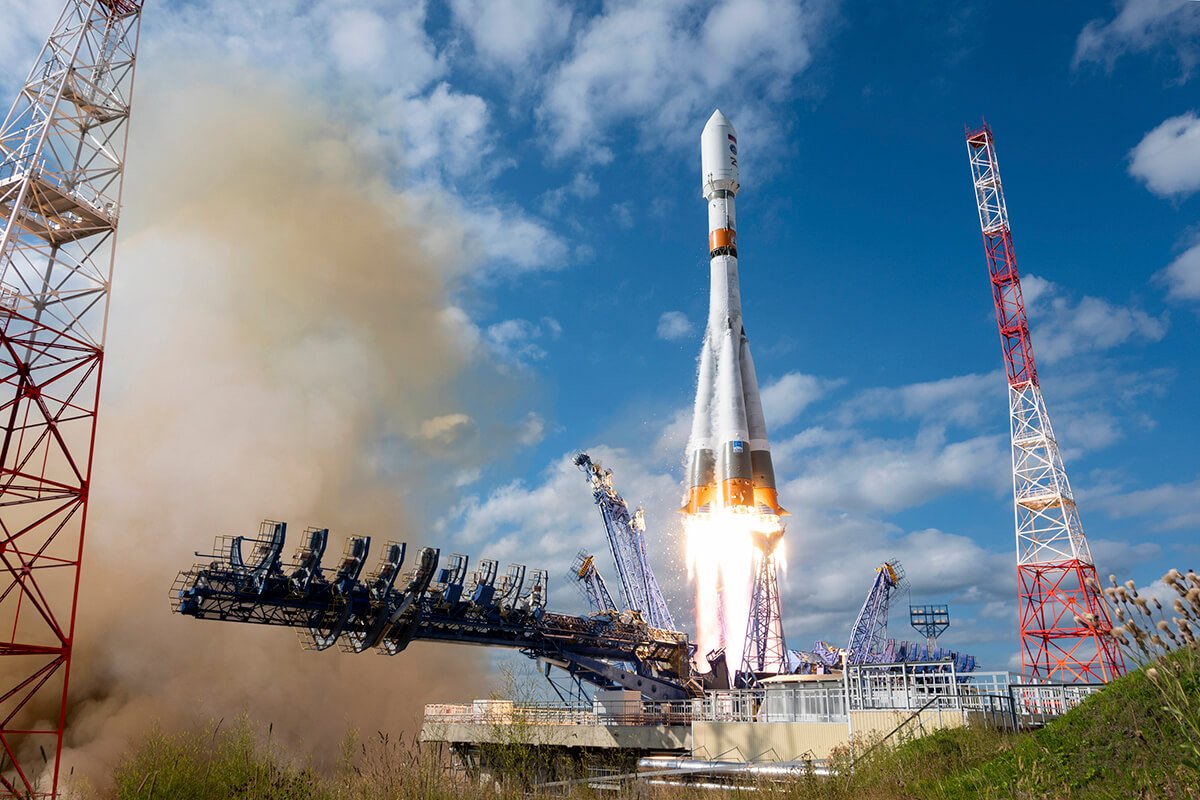
Satellites launched by the Soyuz-2.1b in March and July 2026 completely failed to hit their maximum operational target altitude of 870 kilometers. By late summer, the entire 16-satellite payload from July stalled between 300 and 400 km. Operating in this lower-Earth orbit (LEO) vastly increases atmospheric drag, forcing continuous thruster burns that rapidly deplete krypton propellant and degrade the satellite’s lifespan. Object 4 (NORAD 68363) from the March launch already suffered complete hardware failure and atmospheric reentry.
Striking the Progress Plant
The Soyuz-2 Bottleneck
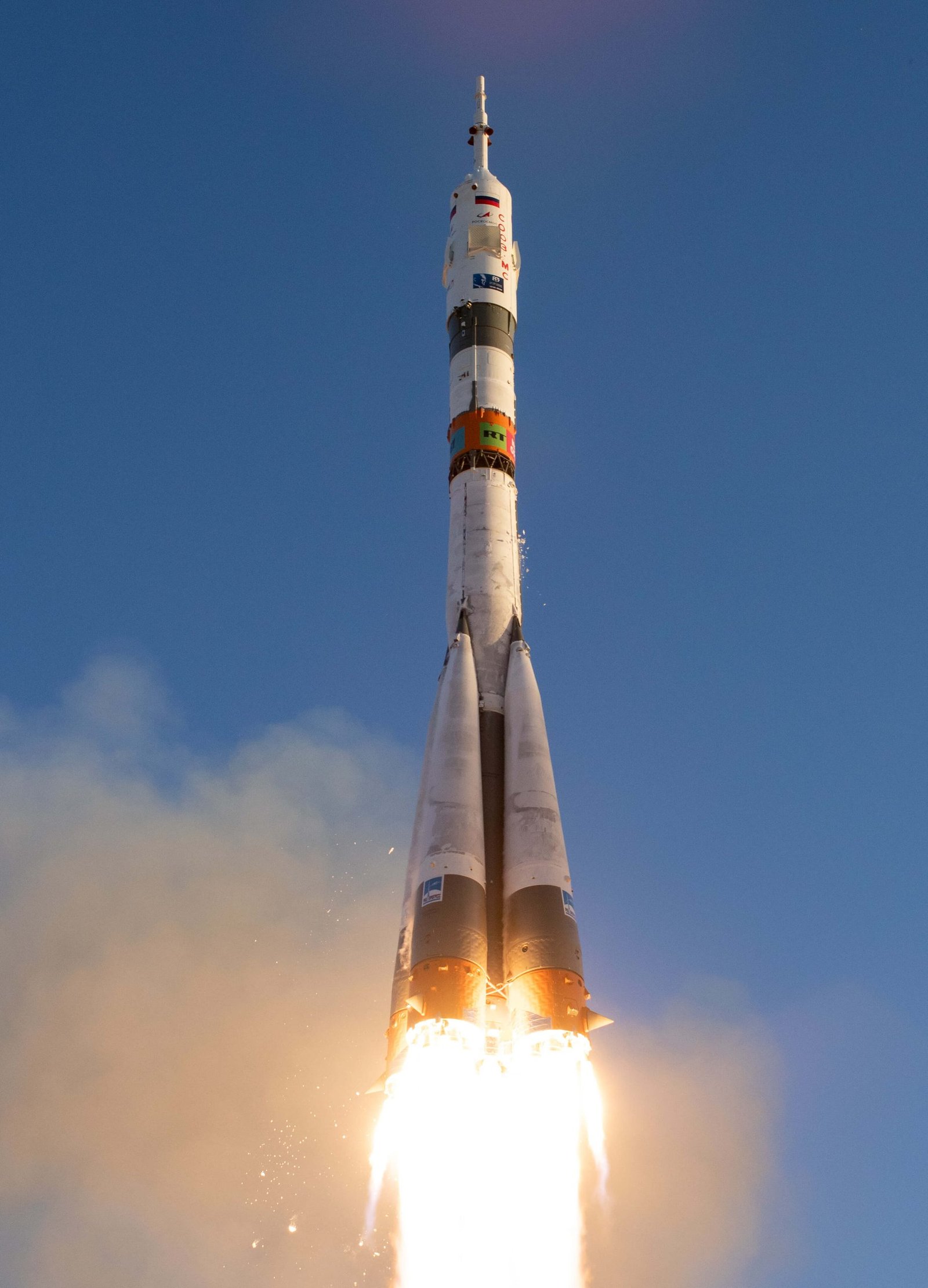
Bureau 1440 requires an estimated 18 Soyuz-2.1b launches to hit its initial 250-satellite threshold by 2027. Russia currently executes only 6 to 8 of these launches annually across all state and commercial missions. This logistical impossibility was further kneecapped by Ukrainian deep strikes on August 15, 2026.
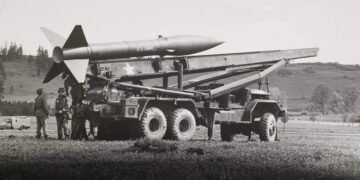
Ukrainian FP-5 Flamingo cruise missiles successfully targeted the TsSKB-Progress Rocket Space Centre in Samara. As Russia’s sole manufacturing facility for the Soyuz-2 and Soyuz-5 rockets, this direct kinetic strike severely disrupted the physical supply chain necessary to sustain Rassvet’s aggressive deployment schedule.
Frontline Communications Collapse
Without continuous satellite coverage, Russian forward assault groups are isolated. Currently, the surviving 12 Rassvet satellites from the March batch offer narrow communication windows lasting up to 90 minutes twice a day. This intermittent connectivity creates dangerous tactical blackout periods, allowing Ukrainian drone-heavy defense lines to isolate and destroy localized Russian infantry maneuvers before rear-echelon artillery support can be coordinated.
Orbital C2 Systems Comparison: Starlink vs. Rassvet
| System Specification | SpaceX Starlink (V2/Active) | Bureau 1440 Rassvet (2026 Actual) |
| Operational Altitude | 550 km | Target: 870 km (Stalled at 300–400 km) |
| Active Constellation Size | 6,000+ | 12 operational (Out of 32 launched) |
| Primary Launch Vehicle | Falcon 9 (Reusable, High Cadence) | Soyuz-2.1b (Expendable, Low Cadence) |
| Annual Launch Cadence | ~100+ missions | 6–8 missions (Max capacity) |
| Deployment Target | Continuous Expansion | 250 by 2027 / 900 by 2035 |
| Post-Launch Failure Rate | < 0.01% (V2 Hardware) | ~62.5% (Failed to reach target orbits) |
| Frontline Connectivity | Continuous 24/7 broadband | 2x daily windows (Max 90 minutes) |
| Supply Chain Threat | Secure (U.S. Based) | Critically Vulnerable (Samara Plant Strikes) |
The Rassvet program represents a severe structural vulnerability for the Russian Armed Forces. Compounding aerospace engineering failures with kinetic supply chain disruptions guarantees that Russia will not achieve a functional Starlink analogue by its 2027 deadline. The systemic degradation of the Roscosmos launch cadence, paired with Bureau 1440’s catastrophic hardware attrition, forces the Russian military to operate at a massive command-and-control disadvantage for the foreseeable duration of the conflict. This communications void acts as a direct force multiplier for Ukrainian defensive and offensive operations.