
BOTTOM LINE UP FRONT
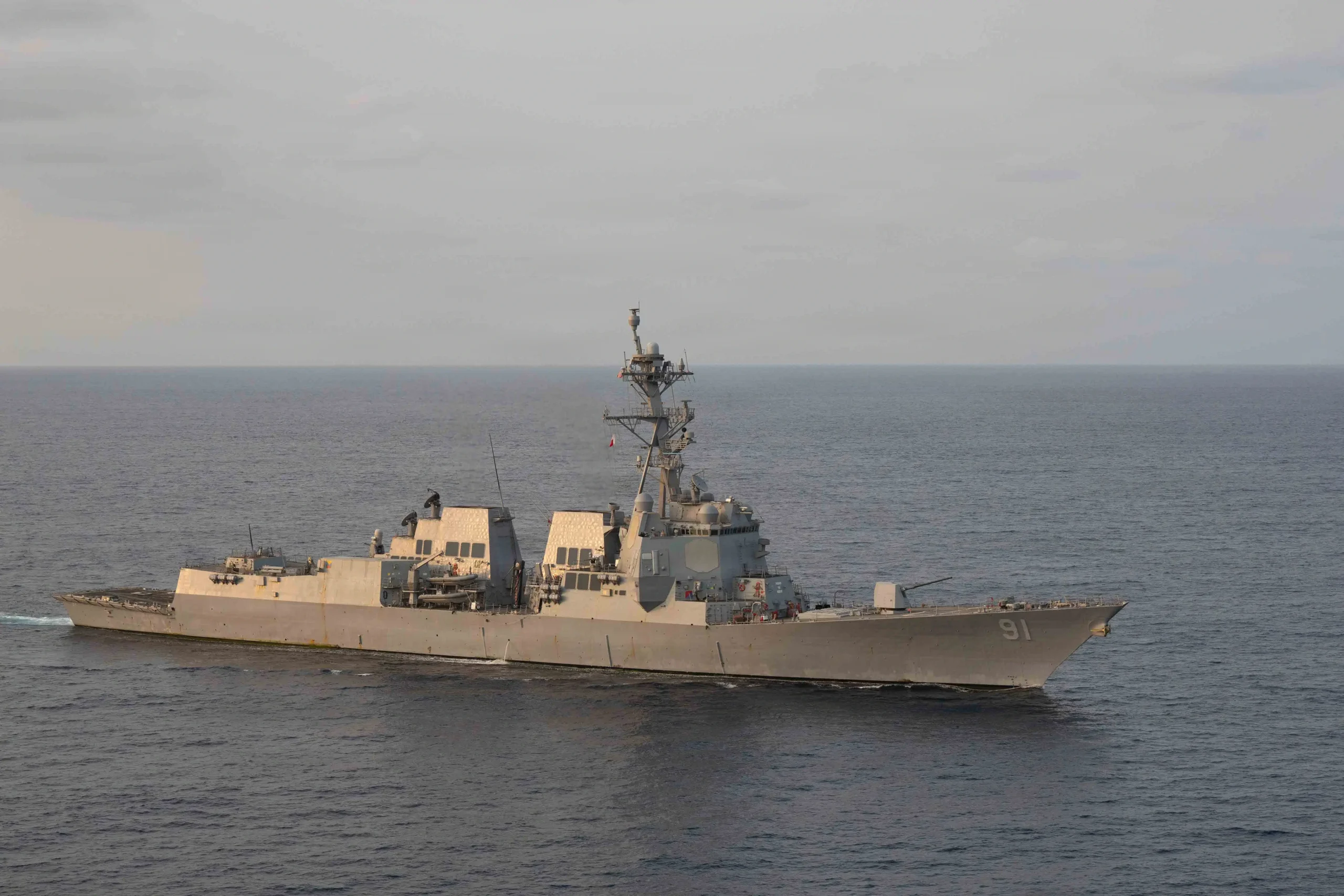
- Program Truncation: On November 25, 2025, the planned 20-ship fleet was cut to two hulls under review. Four contracted ships (Chesapeake, Lafayette, Hamilton, Galvez) were terminated.
- Design Degradation: “Americanization” of the parent FREMM design reduced structural and system commonality from an initial 85% to under 15%.
- Concurrent Construction Failure: Hull fabrication commenced in August 2022. By September 2025, functional design was still only 87% complete.
- Mass Escalation: The design accumulated 759 metric tons (nearly 13%) of unplanned weight before launch, threatening speed requirements and consuming future upgrade margins.
- The FFX Pivot: The Navy is aggressively pivoting to the Legend-class National Security Cutter hull (FFX) and evaluating foreign export designs from Japan (Mogami), South Korea (Chungnam), and Turkey (Istanbul) to fill the critical surface combatant gap.
The ‘Boring’ Solution That Wasn’t
Following the truncated LCS program, the Constellation-class was engineered to reduce risk. Instead of drafting a clean-sheet design, the Navy mandated a mature parent hull. Fincantieri Marinette Marine secured the initial $795 million detail design and construction contract in April 2020 by offering a modified FREMM multipurpose frigate.
The baseline FREMM held thousands of hours of operational sea time. The logic was unassailable: adopt an active hull, install American combat systems—specifically the SPY-6 derived Enterprise Air Surveillance Radar, Aegis, and 32 Mark 41 Vertical Launch System (VLS) cells—and mass-produce 20 escorts.
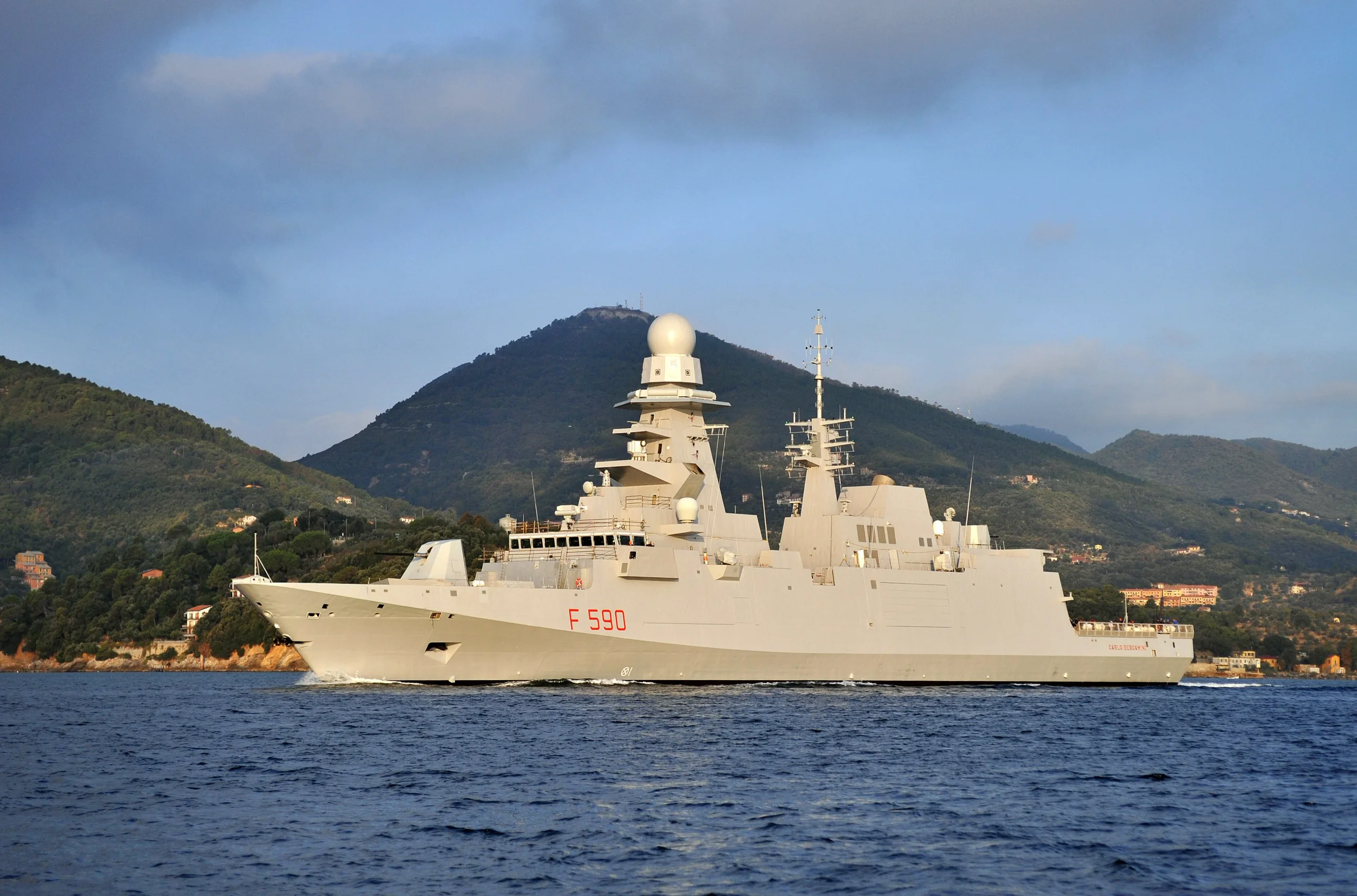
However, adapting the hull to meet stringent U.S. survivability, damage control, and electrical standards required catastrophic levels of re-engineering. The Constellation grew 24 feet longer than the Italian FREMM. Internal compartments, piping, and ventilation were completely overhauled to accommodate topside radar weight. This systemic redesign dropped design commonality below 15%. The Government Accountability Office (GAO) ultimately classified the vessels not as variants, but as “distant cousins.”
Building Without Blueprints
Naval shipbuilding relies on sequenced module construction, which collapses if detailed 3D models and structural blueprints are incomplete. The Navy pushed Constellation through its critical design review in May 2022 and began fabrication at Marinette in August 2022.
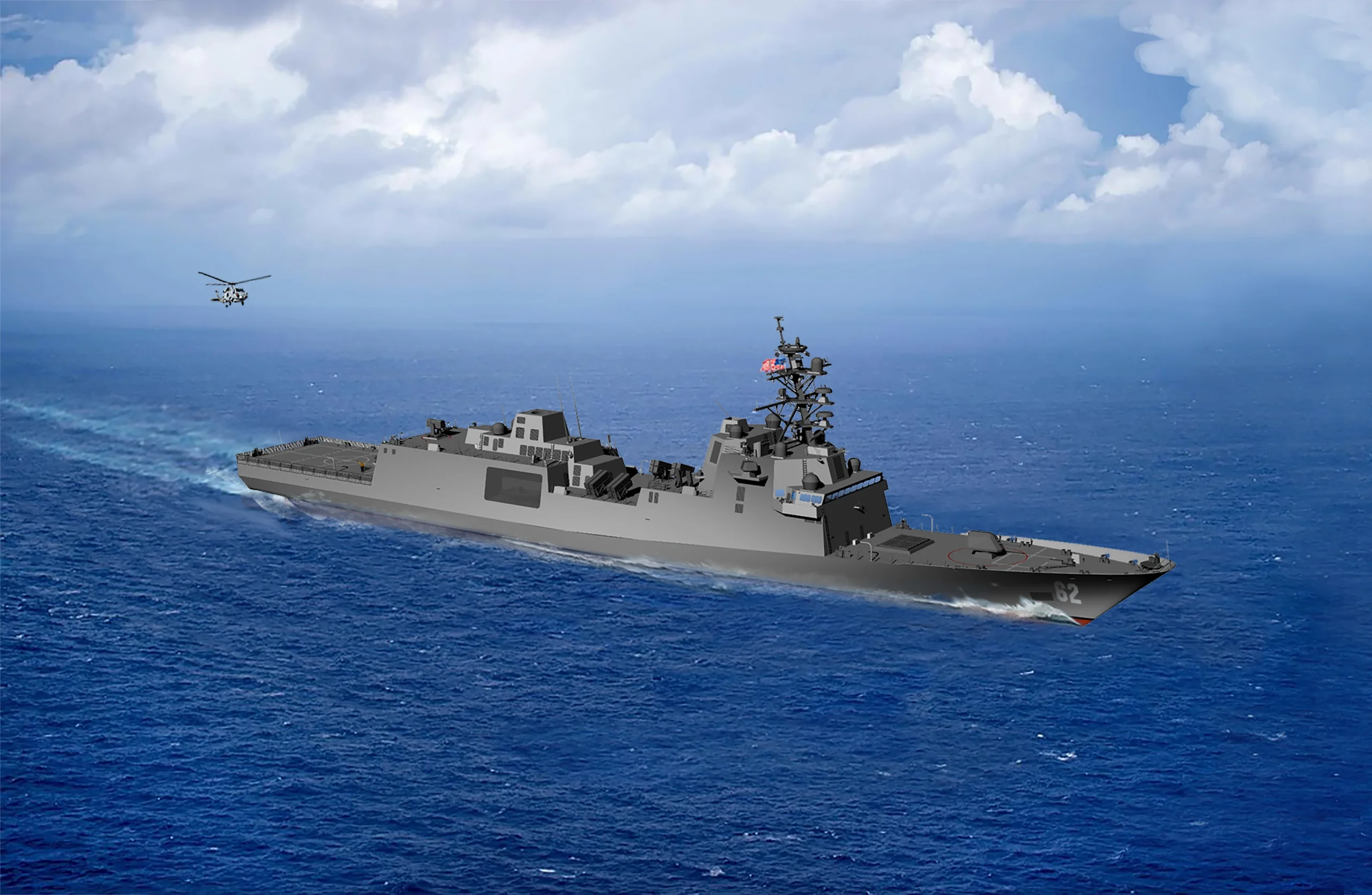
This violated baseline engineering principles. When steel was cut, structural and piping arrangements were unfinished. By December 2024, functional design was only 70% complete under revised GAO metrics. As of September 2025—three years into construction—it stalled at 87%.
Fincantieri’s Wisconsin yard essentially became a high-cost waiting room. Modules were fabricated and then halted because downstream routing for cables and pipes had not been finalized. Despite these glaring red flags, the Navy exercised contract options worth over $3.4 billion for six total ships without a finished functional design.
The Mathematics of Failure
As design changes compounded, weight ballooned. By late 2024, Constellation had gained 759 metric tons. Naval architects engineer specific margins into warships to accommodate decades of future sensor and weapon upgrades. FFG-62 consumed its margin before touching water. By April 2024, the Navy was debating lowering the ship’s fundamental speed requirement to offset the mass.
Cost metrics proved equally fatal. Secretary of the Navy John Fallon noted the Constellation had reached 80% of the cost of an Arleigh Burke-class destroyer while offering approximately 60% of the capability. A frigate exists to provide mass and economy. When it prices itself into destroyer territory without delivering destroyer firepower, the strategic math fails.
Key insight: The Arleigh Burke destroyer remains the gold standard of American naval procurement precisely because its initial design preserved the weight and power margins necessary for three decades of modular upgrades.
FFX and the Pivot to Foreign Alternatives
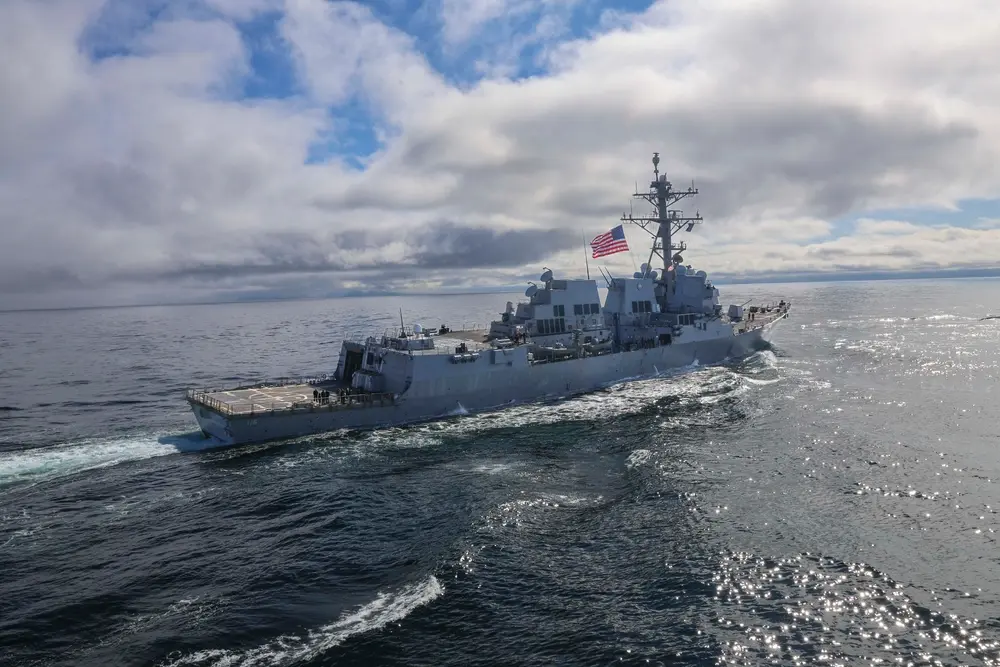
The resulting November 2025 termination of four hulls and reduction of the 20-ship class to two unproven survivors forced an immediate strategic reset. On December 19, 2025, the Navy announced the FFX program, leveraging the existing Legend-class National Security Cutter built by Ingalls Shipbuilding.
The Pentagon is demanding minimal adaptation. In April 2026, Ingalls secured a $282.9 million lead yard contract. Concurrently, facing severe domestic shipyard capacity shortfalls, Washington is evaluating South Korea’s Chungnam-class, Japan’s Mogami-class, and Turkey’s Istanbul-class to fill the void, potentially outsourcing the initial hulls entirely.
Constellation-Class Program: Expectations vs. Reality
| Parameter | 2020 Initial Plan | 2025-2026 Reality |
| Fleet Size | 20 Ships | Maximum 2 Ships |
| Design Commonality | ~85% with parent FREMM | <15% (GAO classification: “distant cousins”) |
| Lead Ship Delivery | April 2026 | April 2029 (Estimated, heavily delayed) |
| Design at Fabrication | 100% (Standard Practice) | 87% (3 Years post-fabrication start) |
| Displacement Margin | Standard growth tolerance | +759 metric tons (13% excess weight) |
| Cost Efficiency | Cheap, high-volume escort | 80% cost of Arleigh Burke for 60% capability |