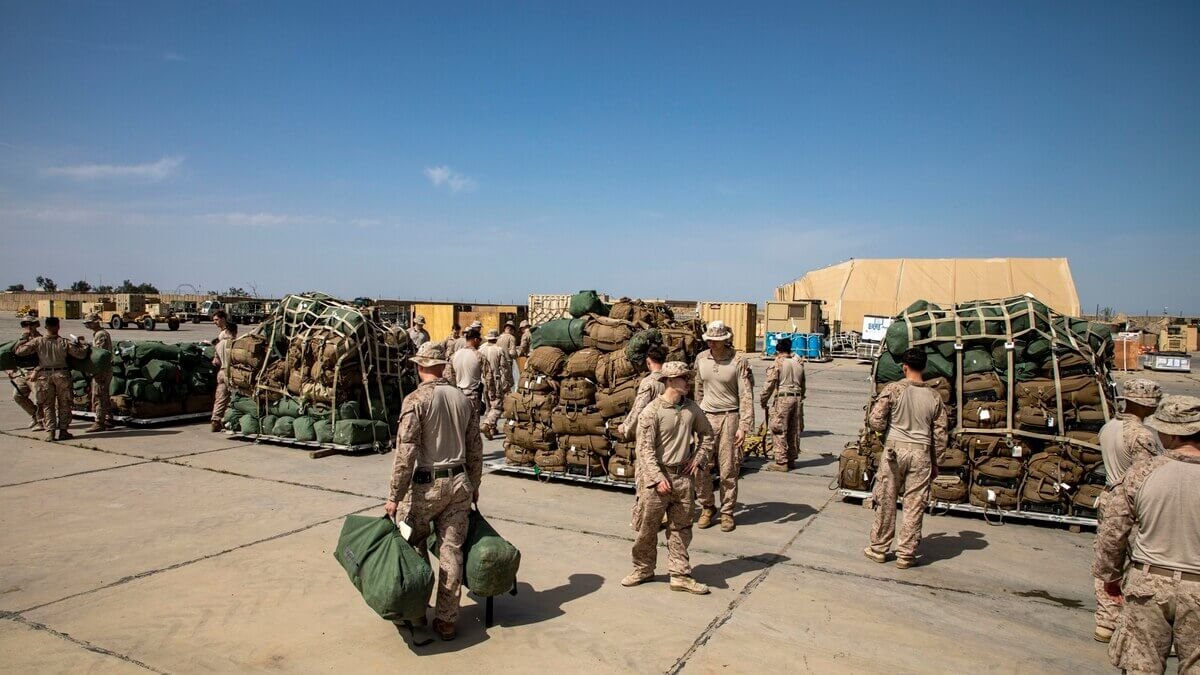
- Historical Scale: US troop deployments in Iraq peaked at approximately 170,000 service members during the 2007 surge before the initial 2011 withdrawal and subsequent 2014 redeployment against ISIS.
- Bilateral Timeline: The final exit was executed pursuant to an agreement finalized in September 2024 under the Biden administration and reaffirmed by subsequent leadership.
- Militia Disarmament Delay: Prime Minister Ali al-Zahedi postponed the mandatory disarmament deadline for non-state armed factions from September 2026 to June 2027.
- Geopolitical Friction: The ongoing presence of US forces consistently drew Iraq into asymmetric cross-border exchanges between Washington and Tehran via aligned regional proxy groups.
A 35-Year Footprint
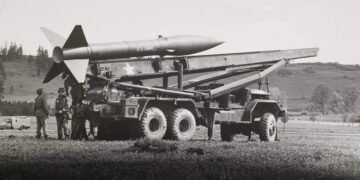
Foreign military supervision in Iraq spans three and a half decades, beginning with the 1991 Gulf War coalition air and ground campaign to reverse the annexation of Kuwait. Following the expulsion of Iraqi forces, the enforcement of post-war no-fly zones and subsequent UN sanctions preceded the 2003 US-led invasion that unseated Saddam Hussein. That campaign ignited a multi-year insurgency and sectarian civil war, necessitating massive troop surges before the nominal withdrawal in December 2011.
The rise of the Islamic State in 2014 prompted a rapid US military return. While Iraqi ground forces led combat operations, coalition air support and 4,000 embedded personnel provided critical enabling capabilities. However, strategic utility diminished as asymmetric friction escalated.
Operational Impact on Regional Proxy Dynamics
The primary driver for the complete disengagement was the persistent targeting of US positions by Iranian-aligned militias. Organizations operating under the Islamic Resistance in Iraq utilized the American presence to legitimize their armed status, launching persistent rocket and drone strikes during regional escalations following the October 7 attacks.
Removing Western forces eliminates the primary rationale claimed by these factions for retaining independent arsenals. Yet, Baghdad faces an acute governance dilemma: enforcing a state monopoly on violence without inciting a direct confrontation with powerful paramilitary networks that remain deeply embedded in state security structures.
Geopolitical Outlook and Regional Balancing
Baghdad must now navigate a complex diplomatic and security equilibrium between Washington and Tehran. While direct military cooperation with the US has ceased, economic and diplomatic ties remain vital for Iraqi financial stability. Iran retains profound leverage through political, religious, and economic channels regardless of militia disarmament timelines. Prime Minister Al-Zahedi’s administration confronts the immediate challenge of maintaining institutional stability while managing domestic factions that view the departure of foreign troops as an incomplete victory.
| Operation | Year | Peak Troop Level | Primary Objective |
| Operation Desert Storm | 1991 | ~697,000 (Coalition) | Liberation of Kuwait and destruction of offensive ballistic missile infrastructure |
| Operation Iraqi Freedom | 2003–2011 | ~170,000 (2007) | Toppling of Ba’athist regime, counter-insurgency, and state rebuilding |
| Operation Inherent Resolve | 2014–2026 | ~4,000 | Air support, logistics, and advisory roles against ISIS |