
KEY INTELLIGENCE
- Danish Intelligence Assessment: The Danish Defense Intelligence Service warns Russia perceives a closing “window of opportunity” before Europe achieves autonomous military deterrence by 2030, increasing the risk of limited military or false-flag strikes.
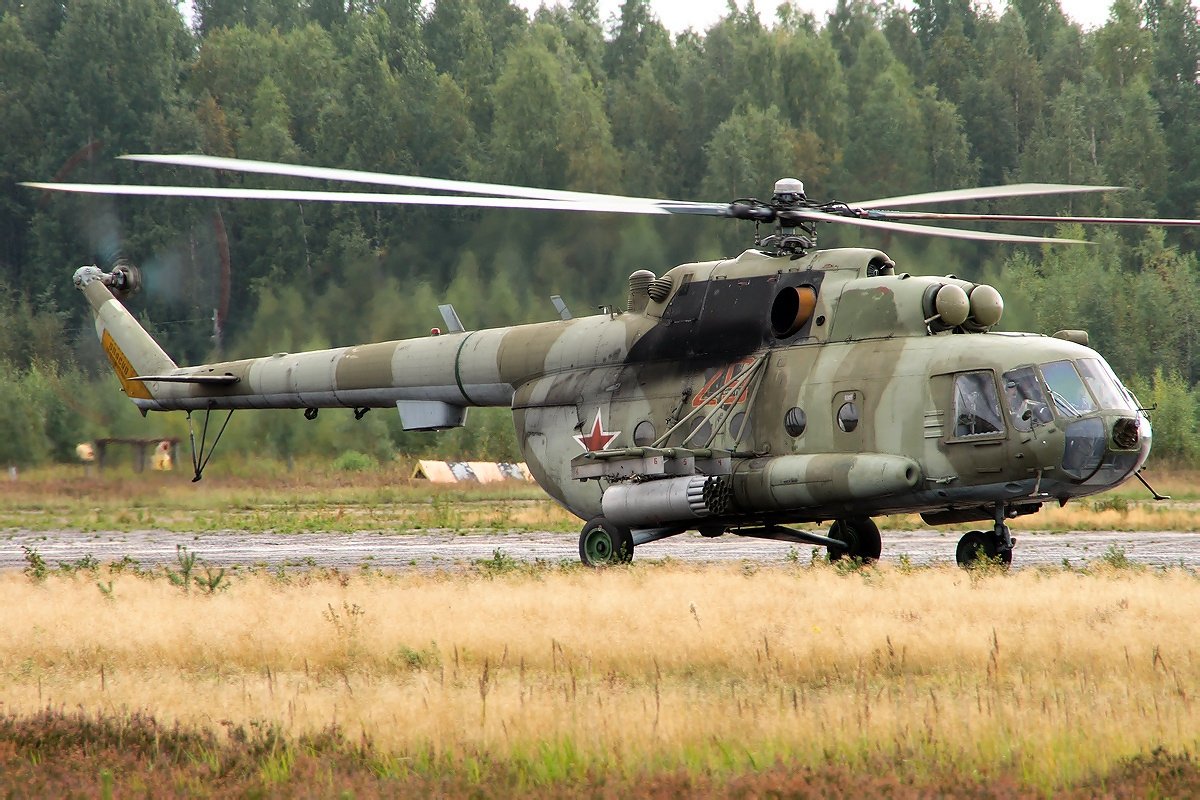
- Airspace Violations: On September 23, 2026, a Russian Mi-8 military helicopter penetrated 300 meters into Polish airspace from Kaliningrad, remaining for 42 seconds and forcing Poland to scramble fighter jets.
- Infrastructure Sabotage: A suspected Russian arson attack targeted an Exatel ground station in Poland, temporarily disrupting Starlink internet traffic utilized by the Ukrainian military.
- Drone Incursions: Gerbera-type drones crashed in Moldova and Romania amid mass strikes on Ukraine, with one drone violating NATO airspace for four minutes before impacting.
- Operation Spiderweb Tactics: U.S. intelligence has briefed allies on Russian plans to utilize containerized, sea-launched drones from commercial vessels to strike Mediterranean and European targets with high deniability.
The Danish Intelligence Warning: A Closing Window
It is highly unusual for a bloc of nations—including France, Poland, Lithuania, the Netherlands, Finland, Norway, Romania, Denmark, Spain, and Italy—to issue simultaneous, public warnings regarding an imminent Russian escalation. A new threat assessment from the Danish Defense Intelligence Service (FE) outlines the Kremlin’s strategic calculus. With the war in Ukraine largely deadlocked and Russian forces unlikely to achieve a major battlefield breakthrough in the next six months, President Vladimir Putin is searching for alternative ways to fracture Western cohesion.
According to the Danish assessment, Russia views Europe’s push for autonomous military capabilities by 2030 as a closing window of opportunity. Intelligence officials warn of a “low but growing” risk that Russia may launch limited military strikes or false-flag operations against a NATO member. The objective would not be a full-scale invasion—which would require at least six months of highly visible mobilization—but rather isolated strikes intended to redirect European resources away from Ukraine and sow division within the alliance.
Testing Article 5: Airspace Incursions
Russia is aggressively probing the boundaries of NATO’s collective defense threshold. The alliance’s Article 5 is not an automatic tripwire; invoking it requires the unanimous consensus of all 32 member states. Moscow is exploiting this bureaucratic reality to test NATO’s political resolve without triggering a full-scale conventional war.
On September 23, 2026, a Russian military Mi-8 helicopter crossed into Polish airspace from the heavily fortified Kaliningrad exclave. The aircraft penetrated 300 meters into Poland, lingering for 42 seconds before retreating. Polish radar systems tracked the incursion from the start, prompting Warsaw to scramble fighter jets and place ground forces on high alert. The Polish Armed Forces Operational Command identified the event not as a navigation error, but as a deliberate stress test of NATO air defenses.
Currently, during a mass strike on Ukraine, Russian Gerbera-type drones crashed in both Moldova and Romania. The Romanian incursion lasted for a full four minutes before the drone went down. While no casualties were reported, these events establish a dangerous precedent where NATO airspace is routinely treated as a permissible buffer zone for Russian munitions.
Sabotage and “Spiderweb” Operations
The gray-zone campaign extends far beyond airspace violations. Overnight, an Exatel telecommunications ground station in Poland’s Mazovia region suffered a severe fire. The facility is a critical node for routing internet traffic through Central Europe, heavily utilized by SpaceX’s Starlink to maintain vital connectivity for the Ukrainian Armed Forces.
Polish Deputy Prime Minister Krzysztof Gawkowski confirmed the fire was deliberate sabotage, stating the “modus operandi” was clearly Russian. By targeting this specific infrastructure, the saboteurs aimed to paralyze telecommunications, blind logistics hubs, and incite panic among the civilian populace.
Further escalation may soon occur in the maritime domain. Reports indicate that U.S. intelligence has briefed European allies on the potential for Russia to adopt “Operation Spiderweb” tactics. This methodology involves assembling drones inside standard shipping containers placed on commercial vessels. Once at sea—potentially near Mediterranean NATO ports—the containers open to launch drone swarms. This tactic offers extreme deniability and maximum disruption, mirroring operations previously pioneered by Ukrainian forces against Russian airbases.
| Incident | Location & Source | Description & Impact | Date |
| Mi-8 Airspace Incursion | Poland (Braniewo border) | Russian helicopter penetrated 300 meters into NATO airspace for 42 seconds. Jets scrambled. | Sept. 23, 2026 |
| Starlink Station Sabotage | Poland (Mazovia region) | Deliberate arson at an Exatel facility routing Starlink traffic to Ukraine. | Sept. 23-24, 2026 |
| Drone Airspace Violation | Romania & Moldova | Gerbera-type drones breached Romanian airspace for 4 minutes before crashing. | Sept. 2026 |
| Escalation Assessment | Danish Defense Intel | Warns of hybrid attacks and limited strikes to exploit a “window of opportunity” before 2030. | Sept. 24, 2026 |