KEY INTELLIGENCE
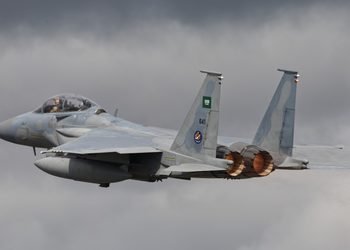
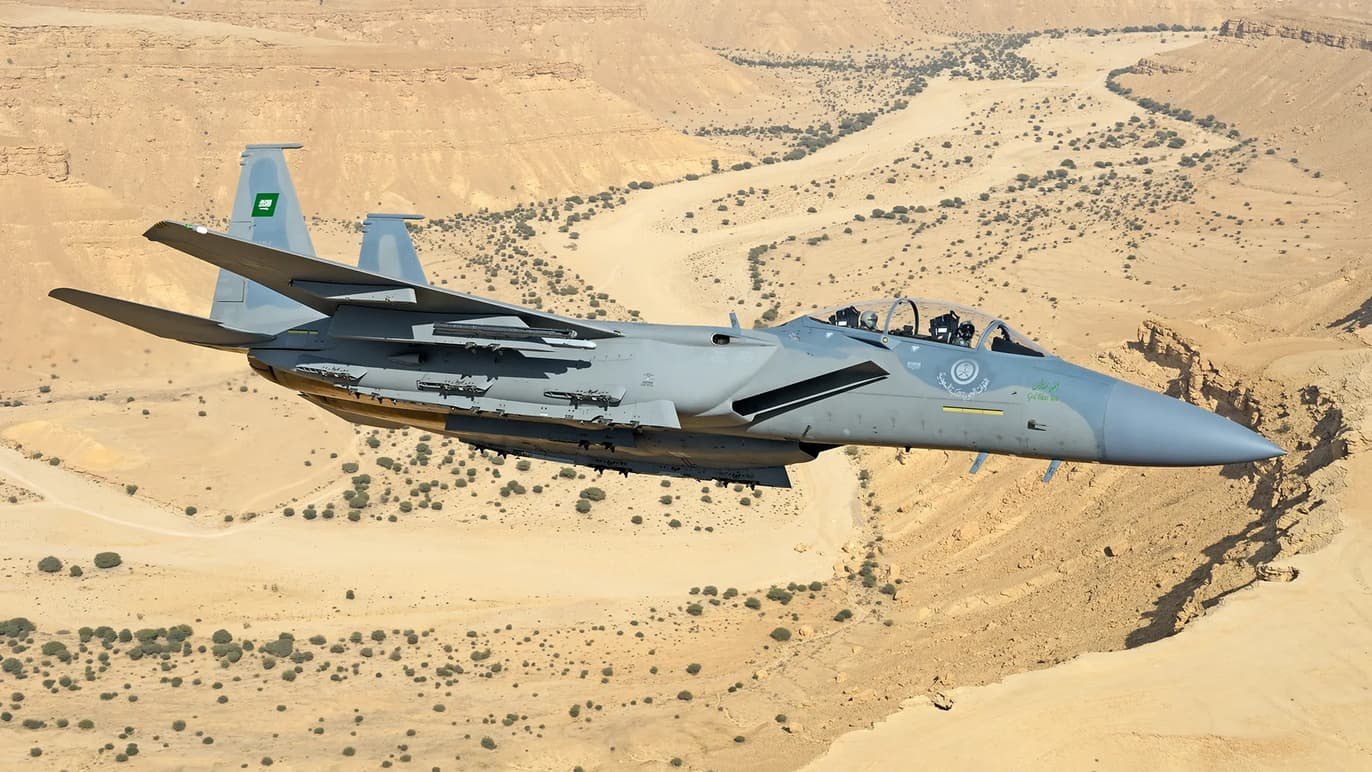
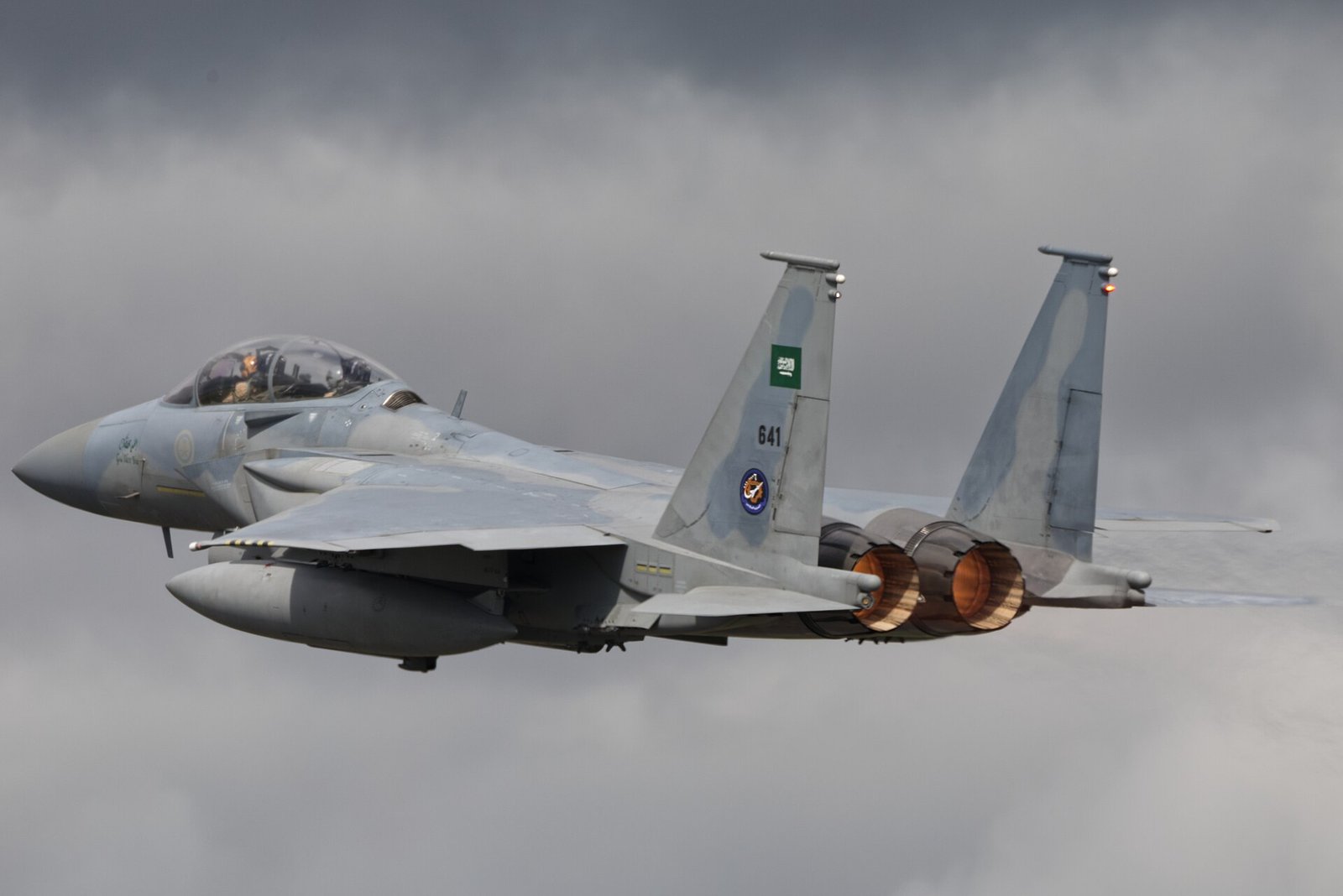
- Saudi Air Campaign: Royal Saudi Air Force deployed F-15SA and Typhoon platforms, executing over 300 strikes using 500-lb and 2,000-lb precision-guided munitions.
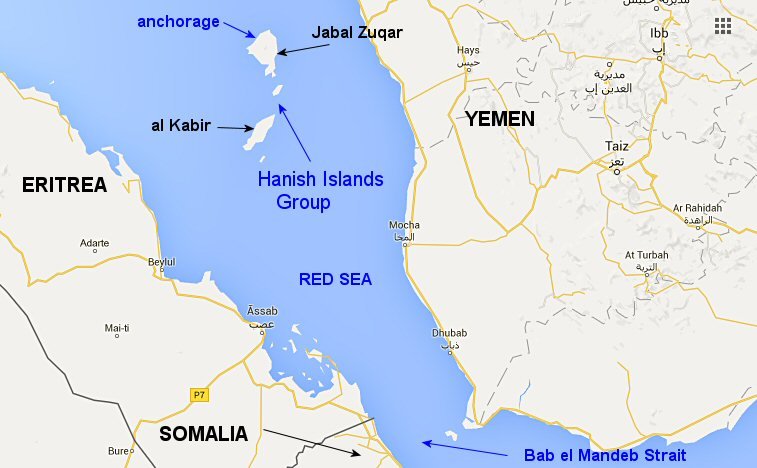
- Houthi Territorial Gains: Despite aerial bombardment, Houthi ground elements seized Greater and Lesser Hanish Islands, alongside Mayyun Island in the Bab al-Mandab Strait.
- Iranian Arms Smuggling: IRGC logistics networks are smuggling Ghadir/Mandab-2 anti-ship ballistic missiles and small arms ammunition concealed within civilian automotive batteries.
- CENTCOM Posture: Adm. Brad Cooper confirmed the U.S. maintains airborne ISR support for Saudi targeting while declining direct U.S. kinetic strikes against Houthi forces.
The Air Campaign Over Yemen
The Royal Saudi Air Force initiated a bombing campaign against Houthi infrastructure. Fighter wings operating from King Khalid Air Base utilized F-15SA Strike Eagles and Eurofighter Typhoons to eliminate enemy points. Ordnance impacts indicate the use of heavy 2000 lb bunker-penetrating munitions against fortified hillside fighting positions.
Target acquisition prioritized mobile technical vehicles housing anti-aircraft artillery and localized command nodes. Saudi forces aim to completely eliminate squirters—personnel surviving the initial blast radius.
Despite heavy losses, Houthi infantry elements maintain forward momentum. Recently occupied Mocha, Mayyun Island, and the Greater and Lesser Hanish islands. This expansion directly threatens maritime choke points along the Bab al-Mandab Strait.
Iranian Smuggling and Asymmetric Retaliation
Houthi spokesperson Yahya Saree issued a formal declaration taking responsibility for retaliatory missile strikes. He claimed Houthi forces launched dozens of ballistic missiles and UAVs at Saudi aircraft hangars and ammunition depots in Khamis Mushait.
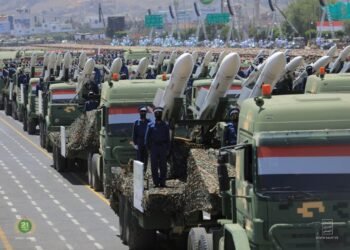
These long-range capabilities do not originate in Yemen. The IRGC are heavily supplying the rebel factions. Recent interdictions reveal sophisticated smuggling techniques. Shipments include Ghadir anti-ship missiles and thousands of machine-gun rounds concealed inside commercial truck batteries.
The intelligence failure surrounding these smuggling routes has prompted increased U.S. intervention. Following meetings between CENTCOM Commander Adm. Brad Cooper and Saudi Crown Prince Mohammed bin Salman, the Pentagon authorized expanded intelligence, surveillance, and reconnaissance (ISR) sharing. Advanced drone feeds will directly feed Saudi elimination chains, keeping Washington out of the kinetic fray.
| Platform | Operator | Specification | Tactical Role |
| F-15SA Strike Eagle | Royal Saudi Air Force | Speed: Mach 2.5; Payload: 29,500 lbs | Deep interdiction and heavy payload delivery |
| Typhoon FGR4 | Royal Saudi Air Force | Speed: Mach 2; Max Altitude: 65,000 ft | Escort, multi-role strike, and fast air superiority |
| Ghadir (Mandab-2) | Houthi Rebels / IRGC | Range: 300 km; Warhead: Armor-piercing | Anti-ship targeting in Bab al-Mandab Strait |
Saudi Arabia’s heavy reliance on advanced airpower yields significant localized destruction but fails to halt Houthi ground advances. The rebel seizure of Red Sea islands demonstrates an organized strategy to choke global shipping lanes regardless of domestic attrition. Iran’s success in downing a U.S. F-15E with a $100,000 MANPADS underscores the persistent air defense threat across the region. The U.S. shift toward an “ISR-only” support model forces Riyadh to bear the kinetic burden while exposing severe vulnerabilities in the kingdom’s ground deterrence capabilities.