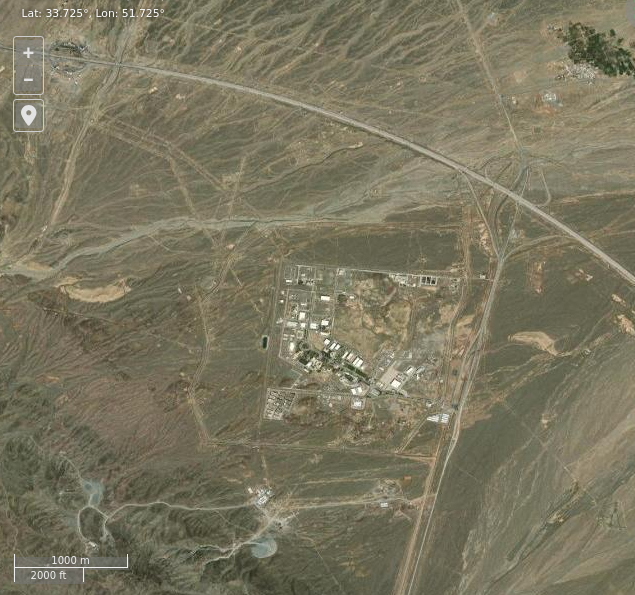
- Subterranean Hardening: CSIS satellite imagery confirms extensive road paving, excavation, and U-shaped portal reinforcement at Pickaxe Mountain, indicating the site is transitioning from initial tunnel excavation to internal facility buildout.
- Asymmetric Vulnerability: Penetration doctrine prioritizes destroying ventilation infrastructure, power inputs, and portal access points rather than attempting to crush the granite mountain mass itself.
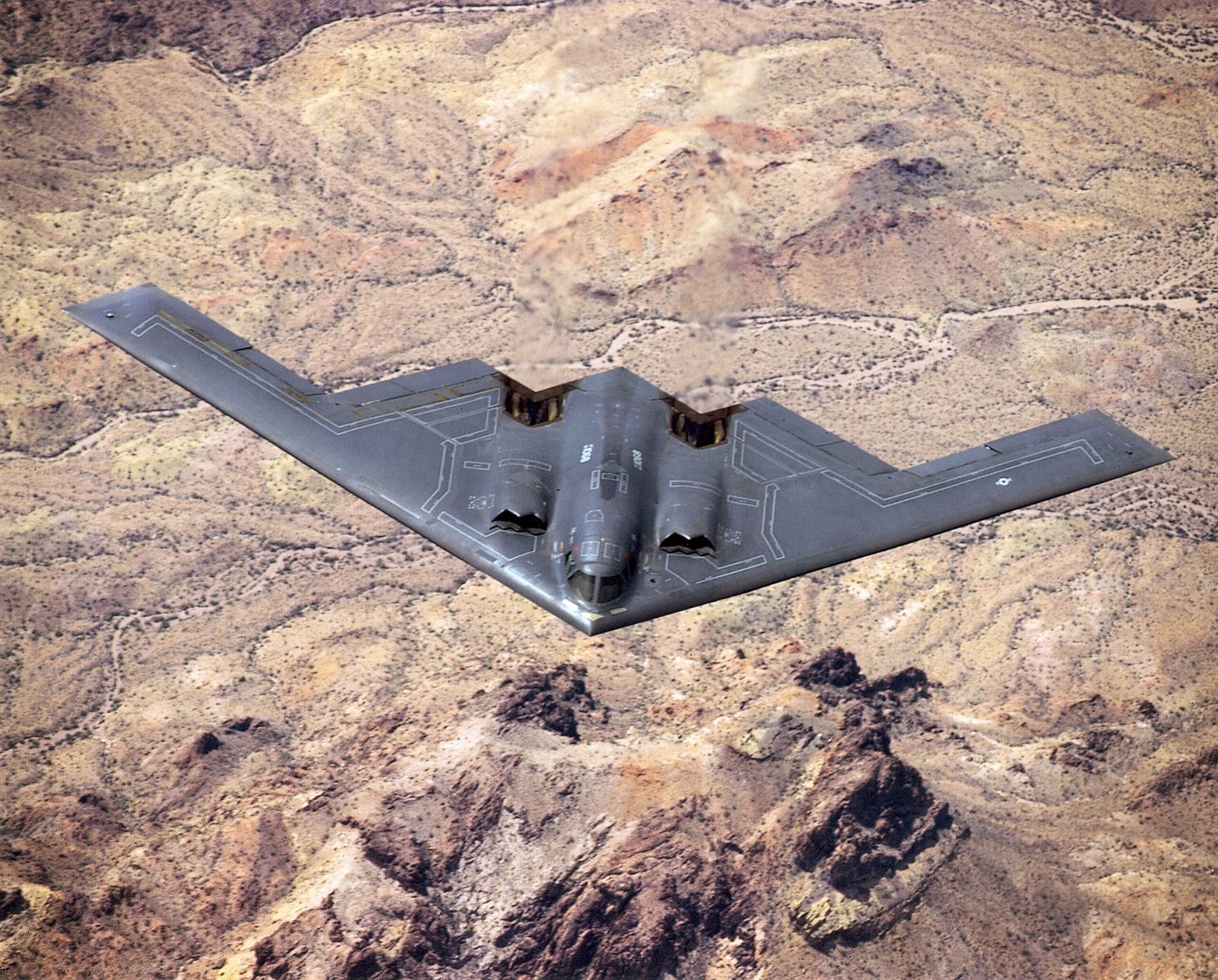
- Penetrator Strike Profiles: Tactical options evaluate wall-formation drops of GBU-72 5,000-lb Advanced Penetrators from F-15E Strike Eagles at 35,000 feet alongside deep-penetration attacks by B-2 Spirit bombers using GBU-57 MOPs.
- Centrifuge Asphyxiation: Detonating heavy penetrators directly within primary ventilation shafts generates massive internal overpressure, collapsing subterranean airflow and turning centrifuge halls into unusable sealed vaults.
- Gray-Zone Escalation: Iranian proxy strikes on Saudi Arabia’s East-West pipeline from Iraq and ongoing weapon storage disruptions across Eastern Europe demonstrate broader regional gray-zone escalation surrounding Tehran’s nuclear program.
Construction Surge at Pickaxe Mountain
Recent satellite intelligence analyzed by the Center for Strategic and International Studies (CSIS) reveals unprecedented construction activity at Pickaxe Mountain, located immediately adjacent to Iran’s primary Natanz nuclear enrichment complex. Analysis indicates heavy equipment movement, extensive road paving, and structural reinforcement around multiple tunnel portals. These engineering patterns strongly suggest a site transitioning from heavy excavation to internal subterranean infrastructure integration.
To counter traditional bunker-busting weapons, Iranian engineers have incorporated U-shaped geometry into the tunnel portal designs. This structural configuration is specifically engineered to deflect shockwaves and prevent direct-fire weapons from penetrating deep into the subterranean complex. However, while granite overburden provides exceptional physical protection against conventional surface bombardments, subterranean facilities retain inherent operational vulnerabilities that leave them highly susceptible to targeted precision strike doctrine.
Tactical Strike Mechanics: GBU-72 Penetrator vs. GBU-57 MOP
Disabling a deeply buried target does not require the physical collapse of the entire mountain structure. Weaponization doctrine focuses on neutralizing the critical life-support and operational infrastructure required to sustain centrifuge operations. This includes environmental control systems, primary power inputs, vehicular access portals, and high-volume ventilation shafts designed to circulate airflow to underground centrifuge halls.
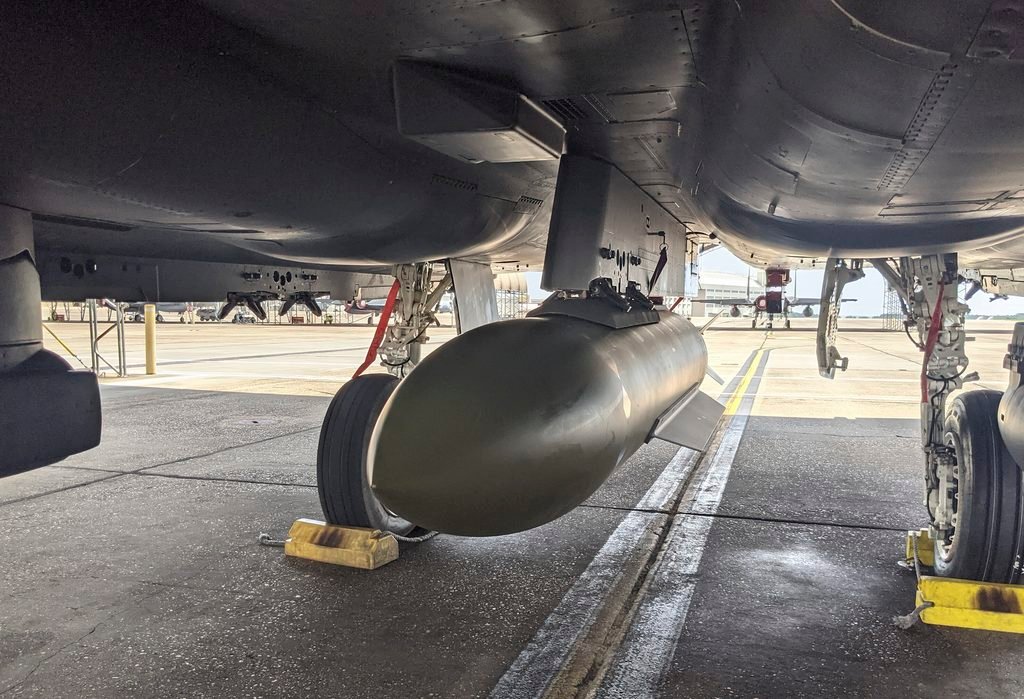
For high-volume precision strikes, the U.S. Air Force can field wall formations of F-15E Strike Eagles delivering the GBU-72 Advanced 5K Penetrator. Tested from release altitudes of 35,000 feet, the 5,000-lb class GBU-72 utilizes advanced smart-fusing technology to penetrate deep into hardened rock before detonating. By dropping multiple GBU-72s simultaneously across designated ventilation coordinates, the resulting blast overpressure expands throughout subterranean cavities, destroying delicate gas centrifuge equipment and sealing access points.
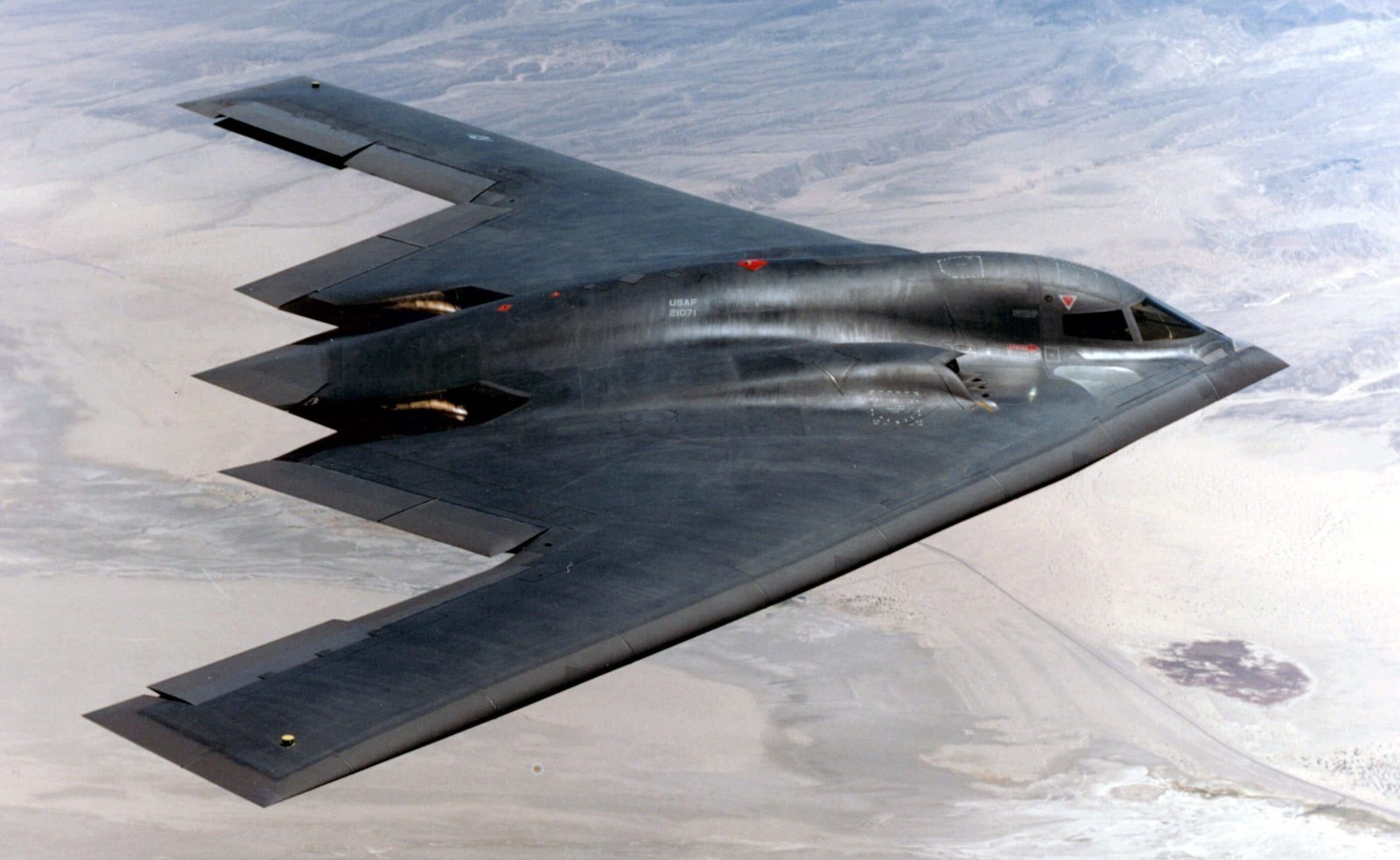
For maximum kinetic depth, the B-2 Spirit stealth bomber provides the heavy strike alternative: the GBU-57 Massive Ordnance Penetrator (MOP). Weighing 30,000 lbs, the GBU-57 is engineered to punch through up to 200 feet of reinforced concrete or solid rock before its heavy explosive warhead detonates, rendering deep underground facilities useless through sheer kinetic force and structural shock-coupling.
Regional Escalation and Proxy Warfare Operations
The operational pressure surrounding Iran’s nuclear posture is directly linked to gray-zone military activity across the Middle East. Recent long-range drone strikes originating from Iraqi proxy militias targeted Saudi Arabia’s East-West pipeline—a primary crude bypass route to the Red Sea designed to avoid the vulnerable Strait of Hormuz. This indicates a coordinated effort by Iranian-aligned groups to threaten regional energy bottlenecks during periods of heightened strategic friction.
Simultaneously, unexplained fires and explosions at European weapons storage facilities—including recent incidents in Bulgaria—highlight a parallel covert conflict targeting Western defense supply chains. As intelligence agencies monitor Pickaxe Mountain for operational indicators such as altered security footprints or thermal ventilation signatures, the risk of kinetic interdiction against Tehran’s deeply buried nuclear infrastructure remains at an all-time high.
| Metric / Specification | GBU-72 Advanced Penetrator | GBU-57 Massive Ordnance Penetrator (MOP) |
| Weapon Weight | 5,000 lbs (2,268 kg) | 30,000 lbs (13,608 kg) |
| Primary Delivery Platform | F-15E Strike Eagle | B-2 Spirit Stealth Bomber |
| Guidance System | GPS / INS Smart-Fuse Assembly | GPS / INS Advanced Penetration Assembly |
| Target Profile | Hardened Portals / Vent Shafts / Tunnels | Ultra-Deep Concrete / High-Density Granite |
| Operational Advantage | High Volume (Multi-Jet Wall Formations) | Extreme Kinetic Depth & Heavy Explosive Yield |
| Tactical Objective | Overpressure / Airflow Sealing / Portal Collapse | Deep Cavern Destruction / Structural Shock |
DENIAL VIA STRUCTURAL ASPHYXIATION. Attempting to crush Pickaxe Mountain through sheer explosive mass is tactically inefficient. The optimal military solution relies on precision interdiction of the facility’s surface-to-subterranean support infrastructure. By deploying synchronized formations of F-15E Strike Eagles armed with GBU-72 5,000-lb penetrators targeted strictly at primary ventilation shafts, electrical feeds, and U-shaped access portals, coalition strike forces can collapse internal atmospheric controls and isolate the centrifuge halls below, effectively disabling Iran’s underground nuclear capacity without requiring total mountain displacement.