KEY INTELLIGENCE
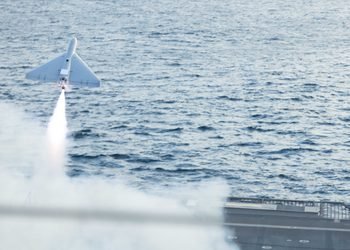
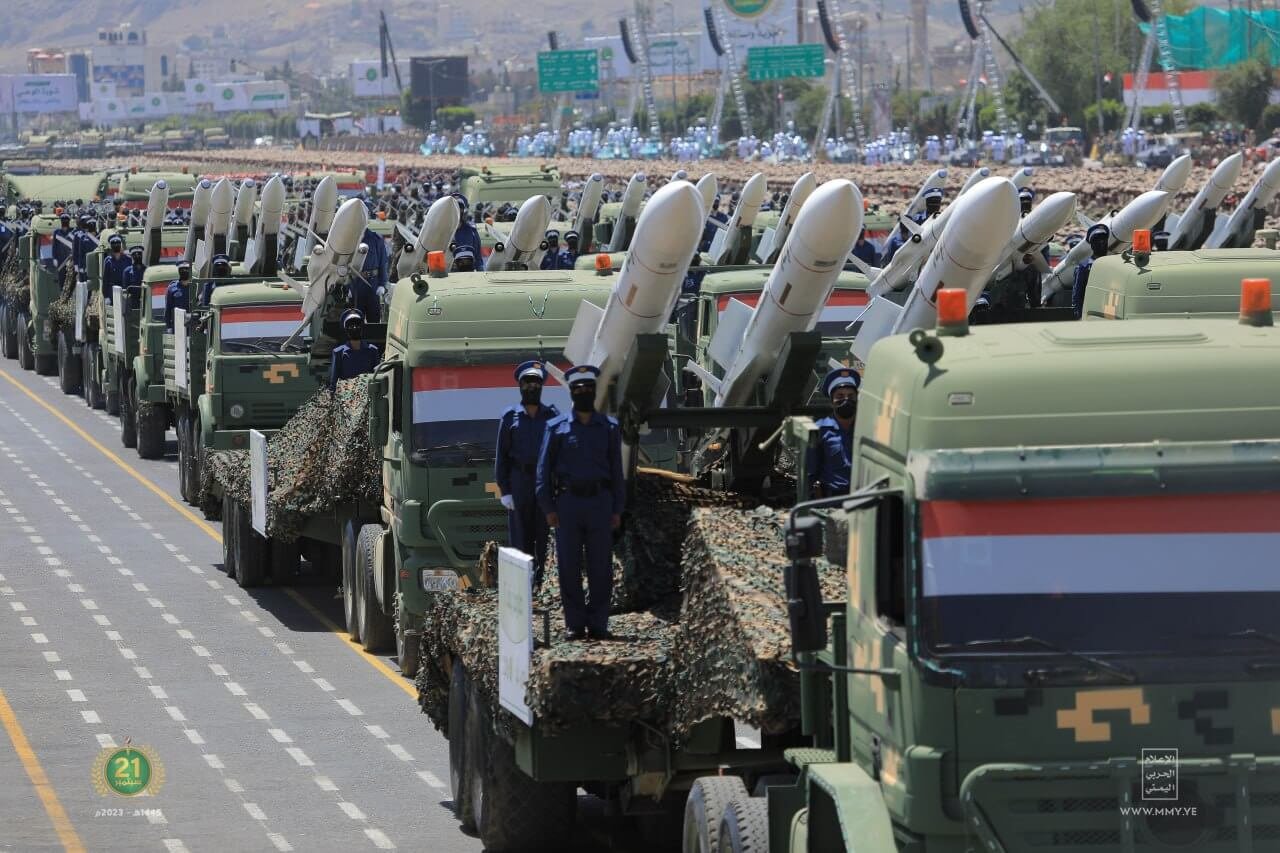
- Mass Casualty Saturation Strike: On September 8, Houthi forces launched dozens of suicide drones targeting four Saudi southwestern cities, wounding over 70 personnel and igniting strategic oil facilities.
- Article 5 Invocation: Riyadh has reportedly activated the Mecca Defense Alliance mutual defense clause, requesting kinetic intervention from the 8,000 Pakistani troops and fighter squadrons forward-deployed in Saudi Arabia.
- Bab al-Mandeb Offensive: A concurrent Houthi ground offensive is pushing toward Yemen’s southwest coast to consolidate anti-access/area denial (A2/AD) leverage over the critical maritime chokepoint into the Red Sea.
- Retaliatory Air Campaign: The Houthi drone swarm follows a brutal 72-hour Saudi air campaign consisting of 121 precision airstrikes targeting Houthi leadership, logistical nodes, and a prison facility.
The Mecca Defense Alliance’s “Article 5” Test
Finalized in August 2026, the Mecca Defense Alliance structurally binds the militaries of Saudi Arabia, Pakistan, and Turkey through a NATO-style mutual defense clause. It states that an armed attack against one member is an attack against all. The September 8 Houthi strikes have forced this theoretical architecture into immediate operational reality.
Following the drone barrage, Pakistani Prime Minister Shehbaz Sharif openly condemned the strikes, while the Pakistani Defense Ministry confirmed they are bound by the pact to respond to aggression. Crucially, Turkish media outlets report Saudi Arabia formally requested Islamabad to conduct retaliatory airstrikes on Houthi targets in Yemen.
Pakistan’s military footprint in the Kingdom makes this a highly actionable request. Islamabad maintains roughly 8,000 troops and forward-deployed fighter assets—including multi-role platforms—at Saudi bases. Activating these units marks a paradigm shift in Middle Eastern security, outsourcing kinetic operations from traditional US umbrellas to a localized, tripartite coalition.
Escalation Ladder: Sanaa to Abha
The current cycle of escalation began when the Houthis re-opened Sanaa airport to host the first direct Iranian flight since 2015. Despite Saudi fighter jets attempting to deter the aircraft, Houthi officials successfully traveled to Tehran for the funeral of Ayatollah Ali Khamenei.
Upon the delegation’s return, Saudi Arabia—backed by the internationally recognized Yemeni government—directly targeted Sanaa airport, forcing the Iranian aircraft to divert to the Red Sea port of Hodeidah. In response, the Houthis immediately escalated, firing ballistic missiles and drones at Abha International Airport in southern Saudi Arabia and imposing a localized shipping blockade.
Geopolitical Fracture Lines
The invocation of the Mecca Defense Alliance creates severe geopolitical contradictions. Both Pakistan and Turkey maintain relatively sympathetic or transactional diplomatic channels with Iran, the primary financial and logistical sponsor of the Houthis. Forcing Islamabad and Ankara to kinetically engage an Iranian proxy deeply complicates their broader regional strategies, effectively testing whether the alliance’s collective deterrence outweighs individual bilateral ties with Tehran.
The Bab al-Mandeb Ground Offensive
More alarming than the cross-border drone strikes is the ongoing Houthi ground offensive pushing toward the southwestern coast of Yemen.
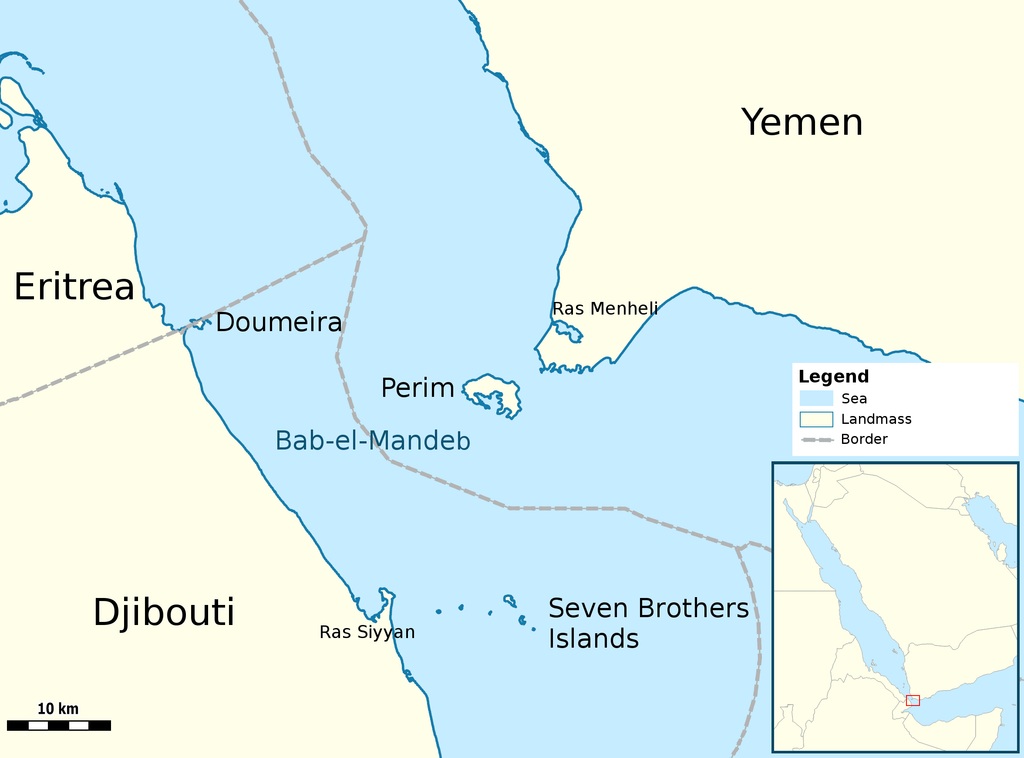
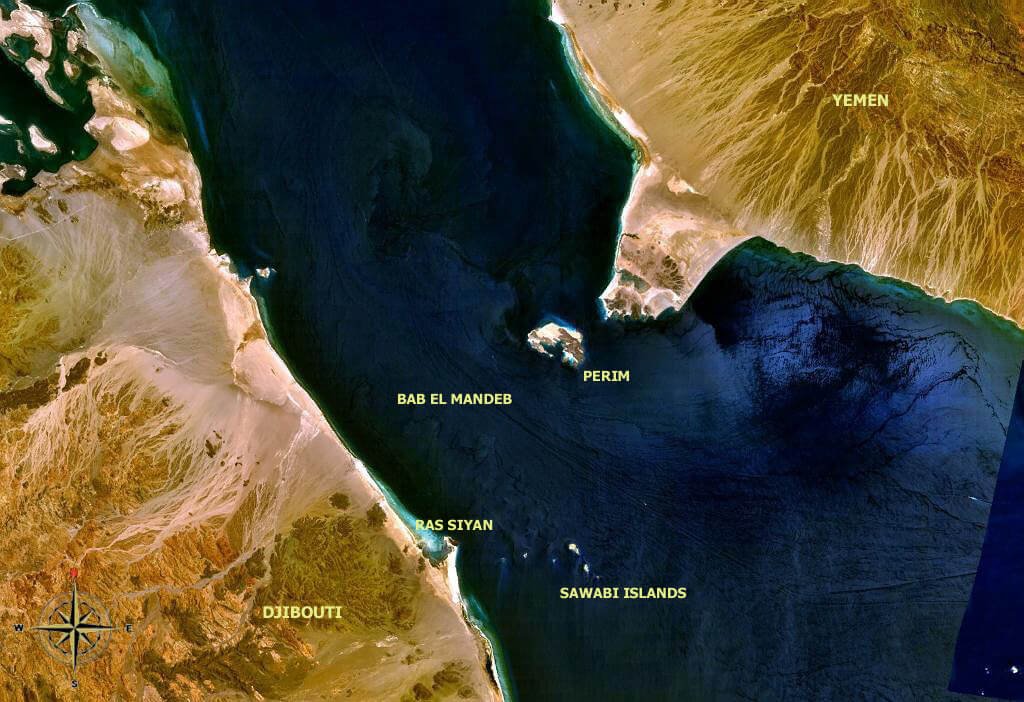
If the Houthis successfully seize and hold coastal territory adjacent to the Bab al-Mandeb strait, they will gain unprecedented leverage over one of the world’s most critical maritime chokepoints. By positioning mobile coastal defense cruise missiles (CDCMs) and suicide drone launch sites closer to the shipping lanes, the Houthis aim to exert direct economic coercion on the global oil supply chain.
| Mecca Alliance Contributor | Primary Strategic Asset | Forward Deployment in KSA | Geopolitical Friction Point |
| Saudi Arabia | Financial capital, Diplomatic clout | N/A (Host Nation) | Direct border vulnerability to Yemen; Oil infrastructure exposure |
| Pakistan | Nuclear umbrella, Large standing army | ~8,000 troops, Fighter detachments | Balances alliance vs. shared border/ties with Iran |
| Turkey | Advanced defense industrial base, NATO-tier force | Minimal ground forces; advisory | Competing with Iran in Syria; complex relations with Israel/US |
The Houthi drone strikes represent a high-stakes gamble aimed at exploiting Saudi Arabia’s desire for regional stability. However, by triggering the Mecca Defense Alliance, the Houthis have inadvertently accelerated the militarization of the conflict. If Pakistani forces officially intervene via air strikes, it fundamentally shifts the balance of power, transforming a localized border war into a formalized coalition theater. For Riyadh, outsourcing the kinetic punishment to Pakistan proves the alliance’s worth, but it permanently binds Ankara and Islamabad to a highly volatile, escalatory conflict loop with Iran’s most entrenched proxy force.