KEY INTELLIGENCE
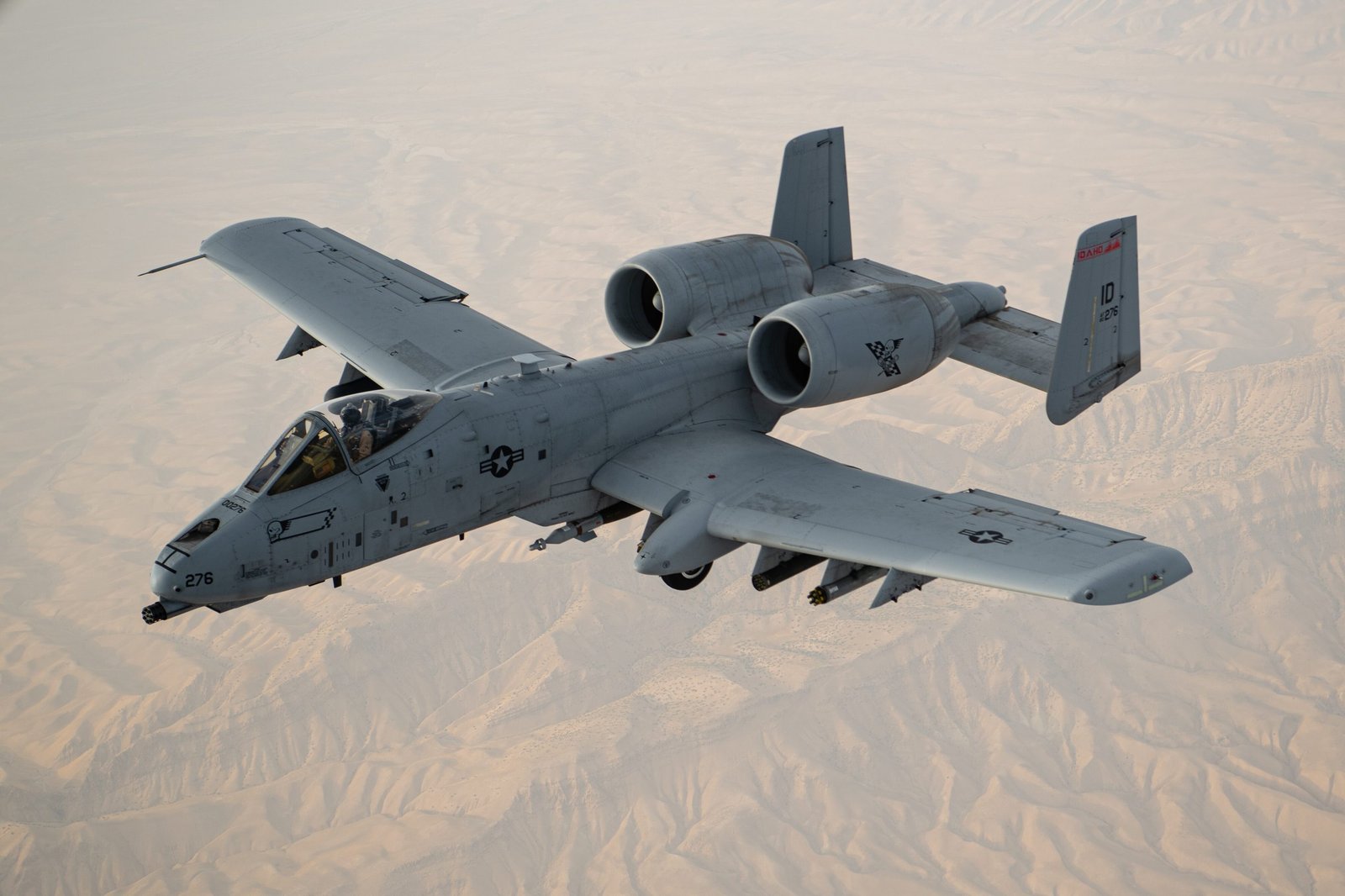
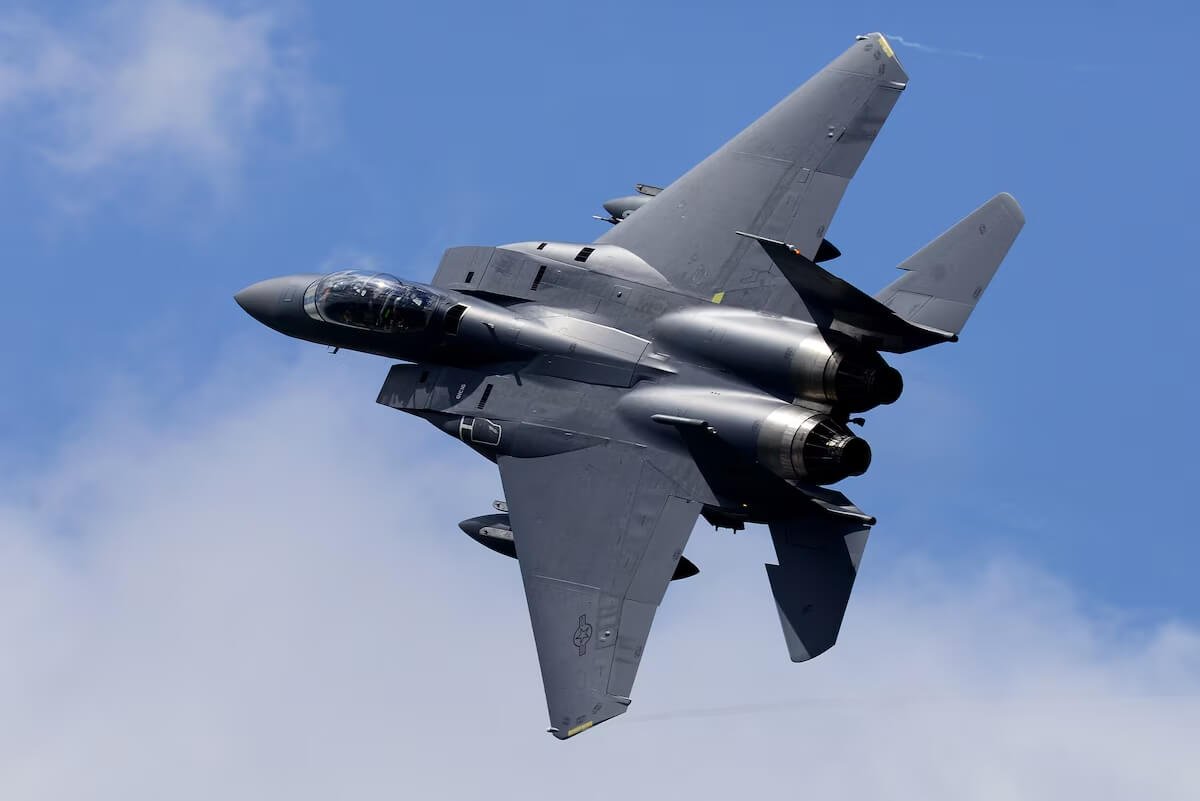
- Aircraft Casualties: Eight F-15E Strike Eagles sustained light damage but were rapidly returned to operational status; one A-10 Thunderbolt II suffered catastrophic damage, losing a wing.
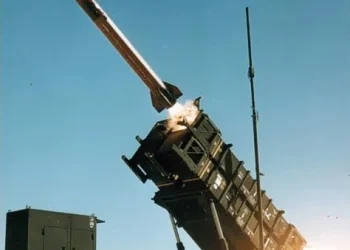
- Defensive Expenditure: Over 30 Patriot PAC-3 interceptors were expended by coalition forces to defeat an estimated 20 inbound ballistic missiles, successfully downing 18.
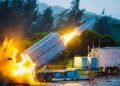
- Coastal Retaliation: Subsequent US strikes hammered IRGC reconstitution nodes in Sirik, Minab, and Qeshm Island, utilizing sea-launched or standoff munitions.
- Asymmetric Arsenal Shifts: Iran’s deployment of 5,000 MANPADS is reportedly being upgraded with Chinese electro-optical seekers, severely threatening low-altitude US air superiority.
- Autonomous Integration: The $224 million acquisition of Retel Robotics by Swarmer highlights the rapid acceleration of AI-driven, decentralized drone warfare in the Strait of Hormuz chokepoint.
The Strike on Muwaffaq Salti
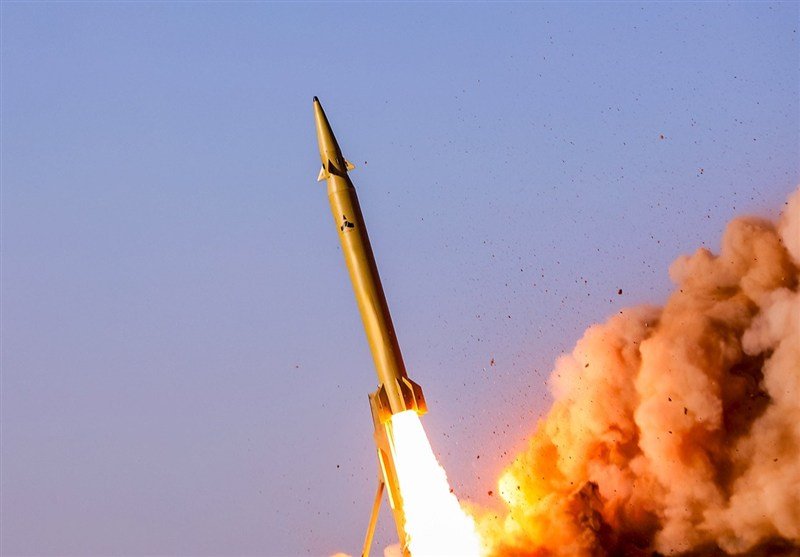
The assault on Jordan’s Muwaffaq Salti Air Base, a premier hub for the 332nd Air Expeditionary Wing, represents a calculated stress test of American force protection. Iran launched approximately 20 ballistic missiles, forcing coalition air defenses into a high-density engagement.
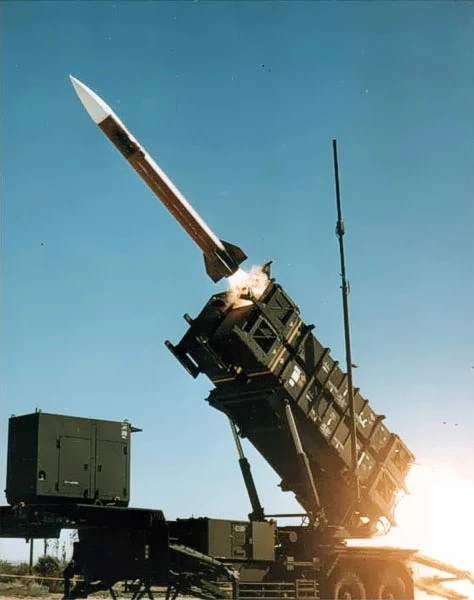
US and Jordanian operators ripple-fired more than 30 Patriot interceptors, achieving an interception rate of roughly 90% (18 of 20 destroyed). However, the leakers proved devastating. One A-10 Thunderbolt II (Warthog), a heavily armored close-air-support platform, lost an entire wing to kinetic impact or localized blast fragmentation.
Simultaneously, eight F-15E Strike Eagles, valued at roughly $100 million per airframe, sustained lighter shrapnel damage. Crucially, US maintenance crews regenerated the F-15s to combat-capable status within hours, neutralizing Iran’s attempt to permanently degrade the theater’s strike capacity.
The Southern Campaign
Following the base attack, the US executed immediate counter-strikes targeting IRGC logistical and launch infrastructure along Iran’s southern coast. Explosions rocked Sirik, Minab, and Qeshm Island, highly strategic positions overlooking the Strait of Hormuz.
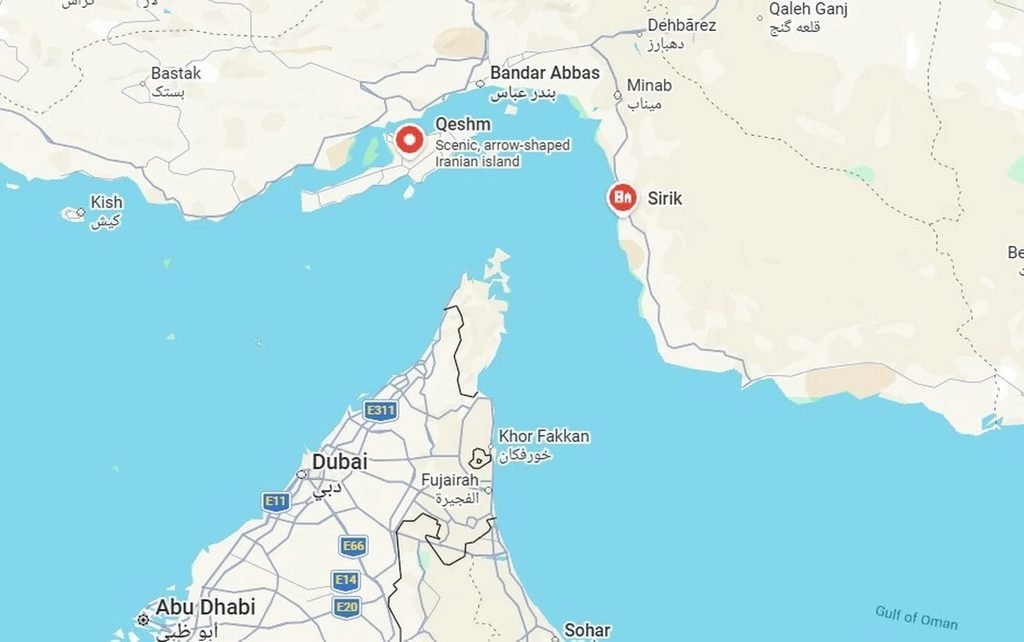
Local intelligence indicated the incoming projectiles originated from the sea, pointing toward US Navy Tomahawk Land Attack Missiles (TLAMs) launched from surface combatants, or standoff weapons deployed by the newly repaired F-15Es. These strikes actively suppress Iran’s capability to deploy magnetic sea mines and autonomous attack drones against commercial and military shipping.
Autonomous Warfare and Technological Proliferation
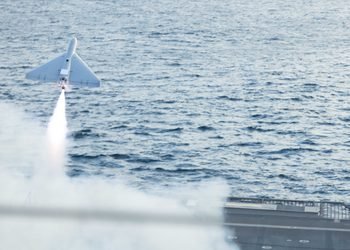
The operational environment is rapidly fragmenting due to cheap precision fires. The recent $224 million acquisition of Ukrainian defense contractor Retel Robotics by Swarmer underscores a massive leap in AI-driven autonomous warfare. This software integration allows unmanned systems to operate seamlessly in heavily jammed environments.
Concurrently, US intelligence is tracking severe upgrades to Iran’s proxy arsenal. Reports indicate their stockpile of 5,000 shoulder-fired MANPADS is being retrofitted with advanced electro-optical seekers imported from China, actively contesting airspace previously dominated by American fighters.
Combined with telemetry data provided by low-cost drone swarms, these MANPADS represent an unprecedented asymmetric threat. The regime is leveraging $20,000 drone architectures in choke points like the Strait of Hormuz to systematically paralyze multi-billion-dollar maritime and aerial assets.
| System Metric | MIM-104 Patriot (PAC-3) | Iranian Ballistic Missile (Fateh/Qiam-class) | Operational Implication |
| Primary Role | Hit-to-kill terminal air defense | Medium/Short-range tactical precision strike | High-cost interceptor vs. lower-cost saturation threat |
| Estimated Unit Cost | $4M – $6M per interceptor | $1M – $3M per missile | Heavily skewed cost-exchange ratio favors the attacker |
| Range / Velocity | ~40 km (engagement range) / Mach 4+ | 300 – 800 km / Mach 3 to Mach 5 | US bases remain inside the continuous kinetic threat ring |
| Payload / Warhead | Lethal kinetic energy (Hit-to-Kill) | 500kg – 750kg High-Explosive (HE) | Single leaker causes catastrophic infrastructure/airframe loss |
The Iranian strike on Muwaffaq Salti proves that forward-deployed US air bases are structurally vulnerable to saturation ballistic missile attacks, despite advanced Patriot PAC-3 point-defense networks. While rapidly regenerating the F-15Es demonstrates exceptional operational resilience, the loss of an A-10 wing and the expenditure of over 30 high-value interceptors highlights a deteriorating cost-exchange ratio. Moving forward, the US must aggressively neutralize IRGC launch capabilities via standoff strikes—as seen in Sirik and Qeshm Island—because playing pure defense against a mathematically superior arsenal of ballistic missiles, upgraded MANPADS, and AI-enabled drone swarms is an unsustainable force-protection strategy.