Key Intelligence
- Retaliatory Overmatch: Following failed Iranian strikes on a U.S. Navy aircraft carrier and destroyer, CENTCOM launched a disproportionate, high-impact kinetic response, targeting three critical Iranian crude carriers.
- Multi-Theater Execution: Strikes occurred simultaneously across three strategic maritime zones: the Kharg Island loading terminal, the Jask bypass port, and the open waters of the Gulf of Oman.
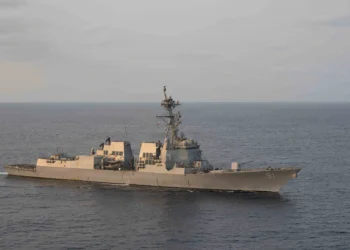
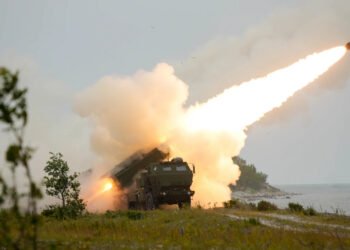
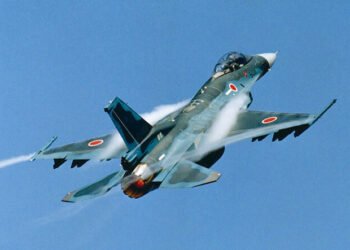
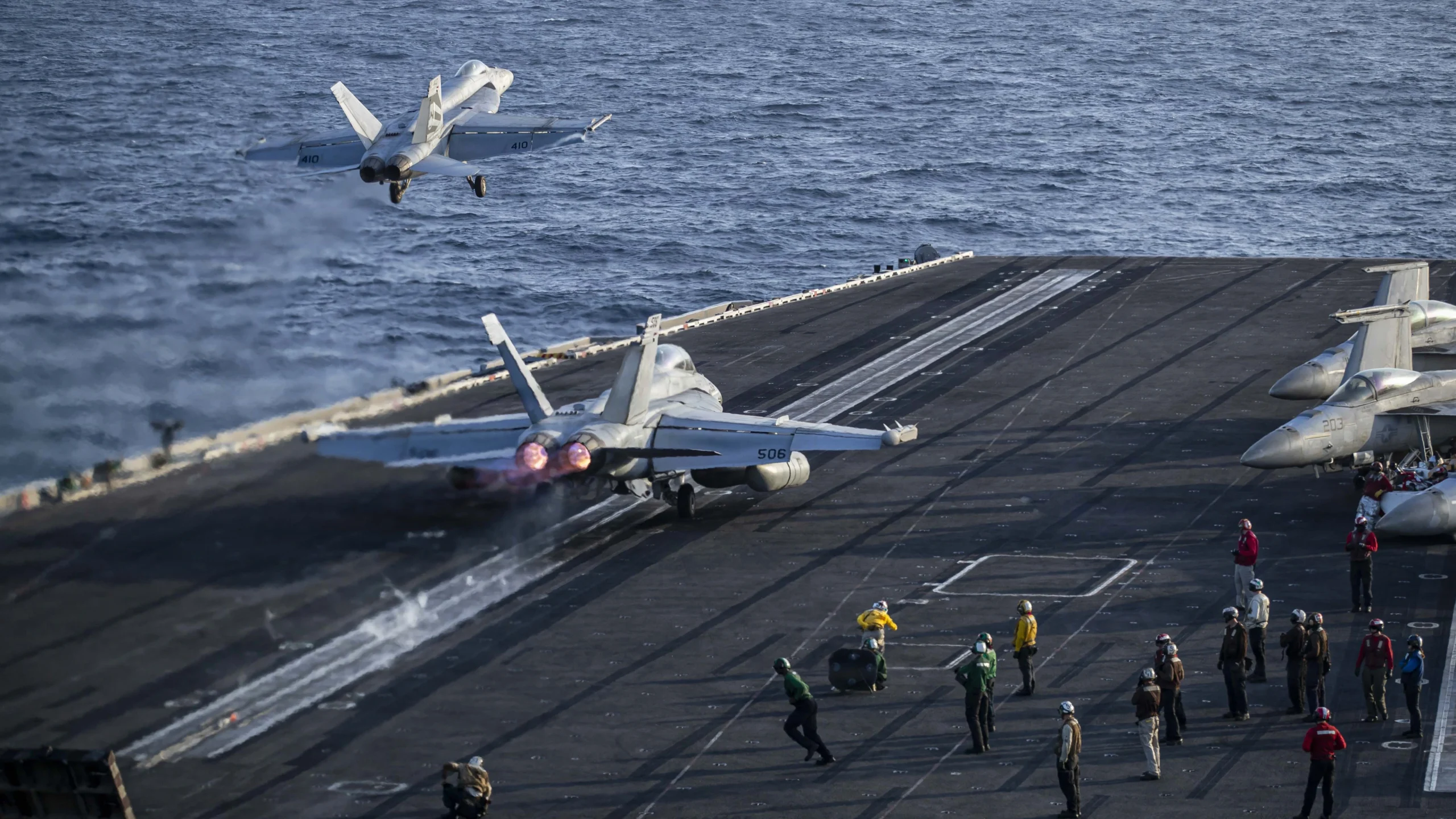
- Precision Strike Packages: Operations were coordinated using MQ-9 Reaper overwatch, while F/A-18 Super Hornets and F-15E Strike Eagles delivered 500-lb and 1,000-lb precision-guided munitions (PGMs).
- Economic Asphyxiation: The targeted destruction of the “Dark Fleet” has drastically impacted Iran’s domestic fuel supply, reportedly leaving the nation with only two months of gasoline reserves and forcing 3-to-4 hour civilian gas lines.
- Strait of Hormuz Bypass: Regional Gulf nations are rapidly expanding alternative overland pipeline infrastructure, systematically neutralizing Tehran’s historic geopolitical leverage over the Strait of Hormuz transit corridor.
Shifting the Targeting Calculus
For the past six months, standard U.S. doctrine dictated retaliatory strikes against Iranian sensor grids, anti-ship missile launchers, and Islamic Revolutionary Guard Corps (IRGC) headquarters. However, recent failed attacks against American naval assets prompted a drastic escalation in CENTCOM’s targeting matrix. The operational doctrine has shifted from degrading military infrastructure to erasing the maritime assets that directly fund the regime.
The new engagement rules dictate severe economic payback: for every two U.S. ships engaged, the IRGC loses three high-value oil carriers. By transitioning to direct strikes on the “Dark Fleet,” the U.S. strategy explicitly links economic security with national security, fundamentally fracturing Iran’s ability to export crude or import refined fuel without sustaining catastrophic financial losses.
Multi-Domain Strike Execution
The CENTCOM strike package dismantled the Iranian maritime logistical chain across three vital geographic chokepoints. The first target, the Very Large Crude Carrier (VLCC) MT Downey, was hit and permanently disabled at the Kharg Island loading terminal—the primary artery for Iranian oil exports. Concurrently, the Suezmax vessel MT Stark 1 was neutralized near Jask, a strategic port built specifically to bypass the Strait of Hormuz.
The final and most decisive kinetic action occurred in the open waters of the Gulf of Oman against the sanctioned tanker MT Kylo (operating under the alias Noxen). Following standard maritime safety protocols, the U.S. Navy issued an explicit radio warning, forcing the crew to abandon ship prior to engagement.
Once the vessel was cleared, an integrated air wing of MQ-9 Reaper drones and F/A-18 / F-15E strike fighters saturated the tanker’s critical structural nodes. Deploying a mix of 500-lb and 1,000-lb warheads, the strike package triggered catastrophic secondary fires across multiple deck levels, ensuring a total mission kill and sending the 100,000-ton carrier to the bottom of the Gulf.
The Collapse of Iranian Petro-Logistics
The kinetic removal of these vessels represents a lethal blow to an already collapsing Iranian economy. Despite possessing the third-largest energy reserves globally, Iran’s crippled domestic refining capacity forces the nation to rely heavily on imported gasoline to sustain its infrastructure.
The immediate fallout of the U.S. strike campaign has triggered severe domestic shortages. Current intelligence reports indicate the nation is operating on a two-month gasoline reserve, resulting in grueling, multi-hour fuel lines for civilians and widespread logistical paralysis.
Furthermore, Tehran’s historical strategic trump card—the threat to blockade the Strait of Hormuz—is rapidly deteriorating. Allied Gulf producing nations are actively constructing alternative pipeline routes that completely bypass the Strait, permanently diminishing the IRGC’s ability to hold global oil markets hostage.
Domestic Friction and Global Realignments
The economic asphyxiation engineered by CENTCOM acts as a massive force multiplier for internal Iranian dissent. Civilian unrest is escalating rapidly, marked by recent viral incidents where citizens physically repelled IRGC morality police off public transit systems. Should the petro-collapse continue, Western intelligence agencies are closely monitoring the potential for a larger, heavily organized domestic uprising against the clerical establishment.
In the broader geopolitical theater, this aggressive regional posture coincides with high-level U.S. diplomatic maneuvers in Eastern Europe. The dispatch of key envoys—and potentially the CIA Director—to Kyiv and Moscow to deliver heavily classified casualty metrics signals a coordinated effort to force diplomatic settlements abroad while maintaining absolute, uncontested kinetic dominance in the Middle East.
| Target Vessel / Alias | Operating Zone | Strategic Purpose | Engagement Result | Post-Strike Status |
| MT Downey (VLCC) | Kharg Island | Primary Oil Export Terminal | Precision Disabling Hit | Permanently Disabled / Out of Service |
| MT Stark 1 (Suezmax) | Jask Port (Gulf of Oman) | Strait of Hormuz Bypass | Precision Disabling Hit | Permanently Disabled / Out of Service |
| MT Kylo (Noxen) | Open Gulf of Oman | Dark Fleet Smuggling / Import | Multi-Node Penetration (500/1000lb PGMs) | Total Mission Kill / Sunk |
Final Assessment
The deliberate targeting of the MT Downey, Stark 1, and Kylo signifies a critical paradigm shift in CENTCOM’s regional deterrence matrix. By executing precision mission kills on high-value “Dark Fleet” logistical nodes rather than easily replaceable military sensors, the U.S. has instituted a highly asymmetric cost-imposition strategy. This operational template rapidly degrades the IRGC’s core funding mechanisms and accelerates domestic structural vulnerability, definitively proving that sustained U.S. maritime dominance can unilaterally dismantle the Iranian petro-economy.