KEY INTELLIGENCE
- Severe Allocation Deficits: Specific frontline detachments in the southern sector are receiving as little as 20 liters (approx. 5.2 gallons) of fuel per week for entire 48-man units, failing to cover basic logistical and operational requirements.
- Extended Combat Rotations: Due to the inability to fuel heavy armored transport for infill/exfill operations, infantry elements are being stranded in zero-line trenches for 4 to 8 months without standard rotation.
- Logistical Severance: Russian strikes have recently destroyed at least 12 critical fuel stations along the primary Zaporizhzhia-Kharkiv supply corridor, forcing units into longer, fuel-intensive logistical runs.
- Procurement Paralysis: Global price volatility linked to maritime instability in the Strait of Hormuz has stalled the Ukrainian Ministry of Defense from securing fixed-rate, long-term bulk fuel contracts.
- NGO Financial Blockades: Strict payment processor regulations prevent several Western NGOs from procuring fuel designated for military use, forcing unit commanders to purchase mission-critical fuel out of pocket.
The Southern Sector Supply Attrition
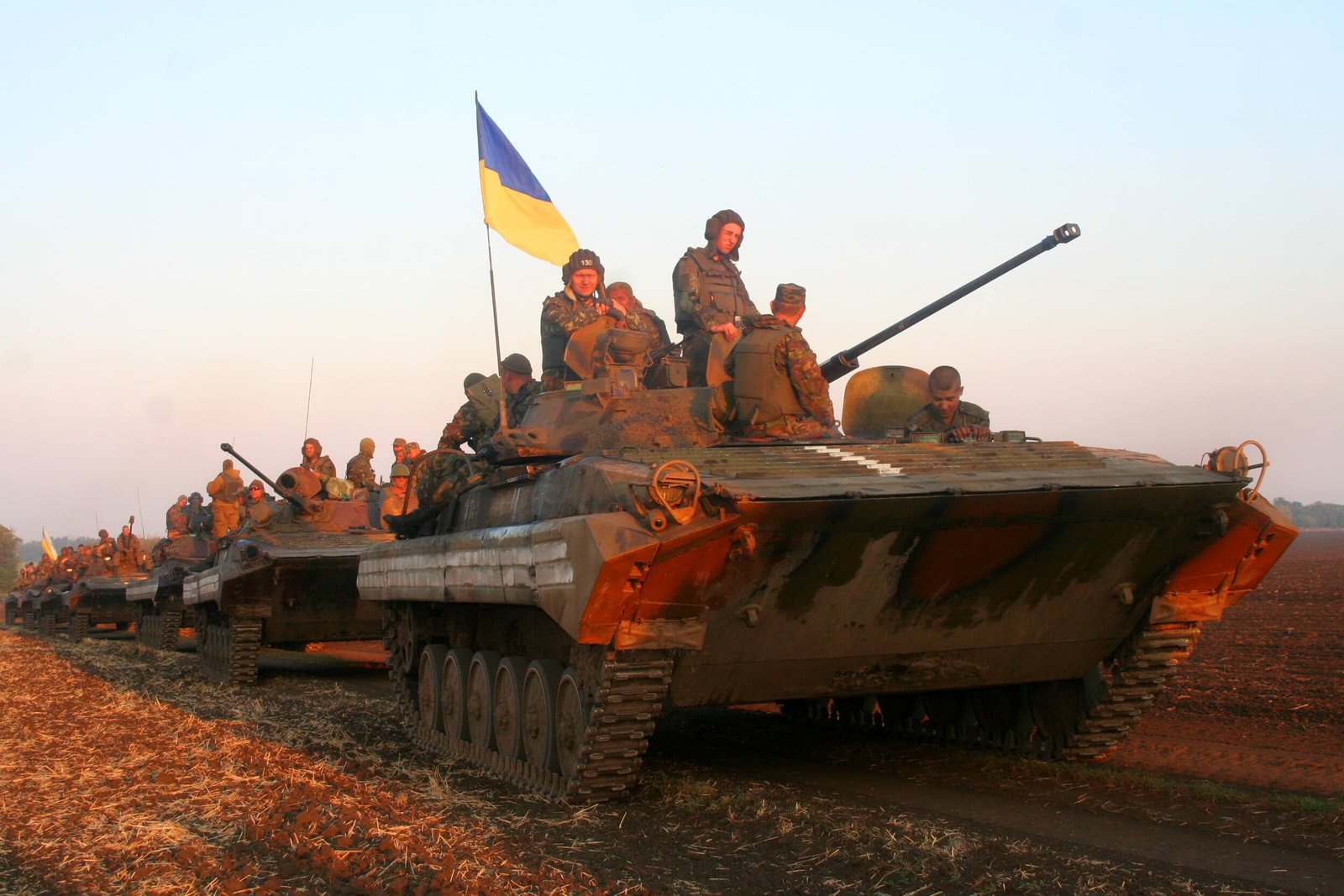
The southern operational direction in Ukraine presents unique logistical vulnerabilities. Characterized by vast, open agricultural terrain, the theater demands extended transit routes for training, resupply, and combat deployments. The lack of natural cover amplifies the threat of Russian reconnaissance and strike drones, mandating the use of fuel-heavy armored vehicles for all frontline movement.
Simultaneously, Russian forces have systematically targeted Ukrainian domestic fuel infrastructure. Recent ground assessments confirm the destruction of at least 12 civilian and military fuel stations along critical supply arteries connecting Zaporizhzhia to Kharkiv. This scorched-earth approach forces Ukrainian logistics elements to travel significantly longer distances to procure fuel, burning their heavily restricted reserves simply to conduct basic resupply runs.
Collapsing Rotations and Resupply
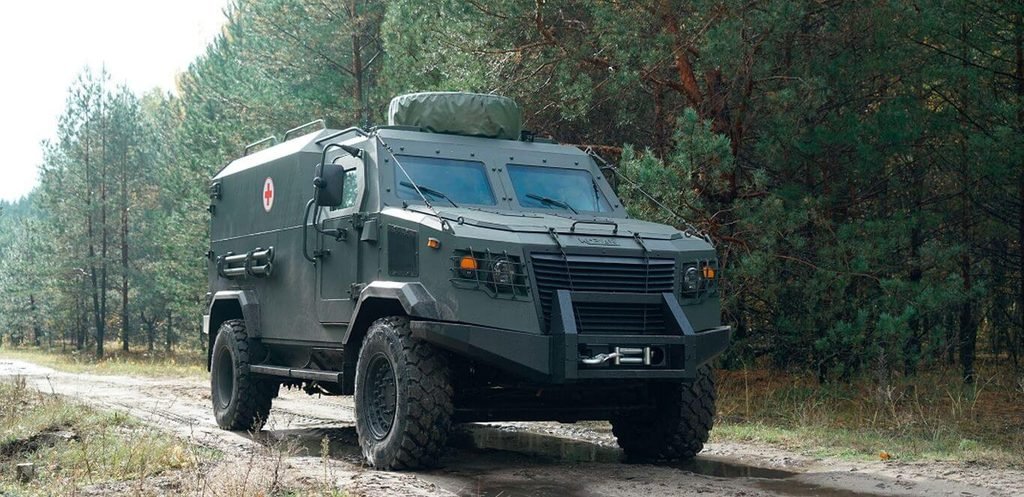
The immediate tactical consequence of the fuel deficit is the breakdown of unit rotation and basic infantry sustenance. With fuel supplies heavily rationed, unit commanders lack the necessary fuel to operate the armored vehicles required to extract troops from the zero-line. Consequently, soldiers are remaining in forward combat blindages for up to eight consecutive months. This unprecedented static deployment is resulting in severe physical and psychological degradation, including widespread vitamin deficiencies, environmental exposure, and combat fatigue that nullifies combat effectiveness.
Furthermore, the fuel shortage is choking last-mile logistics. Due to Russian FPV drone dominance, physical resupply to the trenches has largely shifted to Unmanned Aerial Vehicles (UAVs) and Unmanned Ground Vehicles (UGVs). However, transporting drone operators, batteries, and cargo to optimal launch points requires operational vehicles. The lack of fuel has directly resulted in isolated units suffering from acute food and water shortages at the front line, severely compromising operational readiness.

Geopolitical Friction and Procurement Failures
At the strategic level, the Ukrainian Ministry of Defense (MoD) is struggling to secure the massive fuel volumes required to sustain a mechanized war of attrition. Volatility in global energy markets—exacerbated by ongoing maritime disruptions in the Strait of Hormuz—has made major energy conglomerates hesitant to lock into long-term, fixed-price military contracts. Without stable pricing, centralized MoD fuel procurement has bottlenecked.
This institutional failure has forced the financial burden directly onto frontline personnel and non-governmental organizations. Unit commanders are frequently forced to purchase low-quality civilian fuel using their personal salaries, which subsequently increases the rate of engine failure in combat vehicles. While specialized organizations like Protect a Volunteer attempt to mitigate the crisis by supplying tactical fuel canisters, broader NGO intervention is severely handicapped. International payment processors strictly prohibit the transaction of funds for “military-use” fuel, legally blocking major defense charities from intervening in the shortage.
FINAL ASSESSMENT
The localized fuel deficits in southern Ukraine represent a critical structural vulnerability that disproportionately degrades Ukrainian operational readiness. By physically throttling mobility, the shortage forces Ukraine into a static war of attrition, directly playing into Russian strategic objectives and artillery dominance. Unless the Ukrainian Ministry of Defense establishes insulated, resilient fuel procurement pipelines—or Western partners intervene with dedicated military fuel subsidies bypassing commercial payment processors—frontline combat effectiveness in the Zaporizhzhia sector will suffer irreversible degradation.