BOTTOM LINE UP FRONT
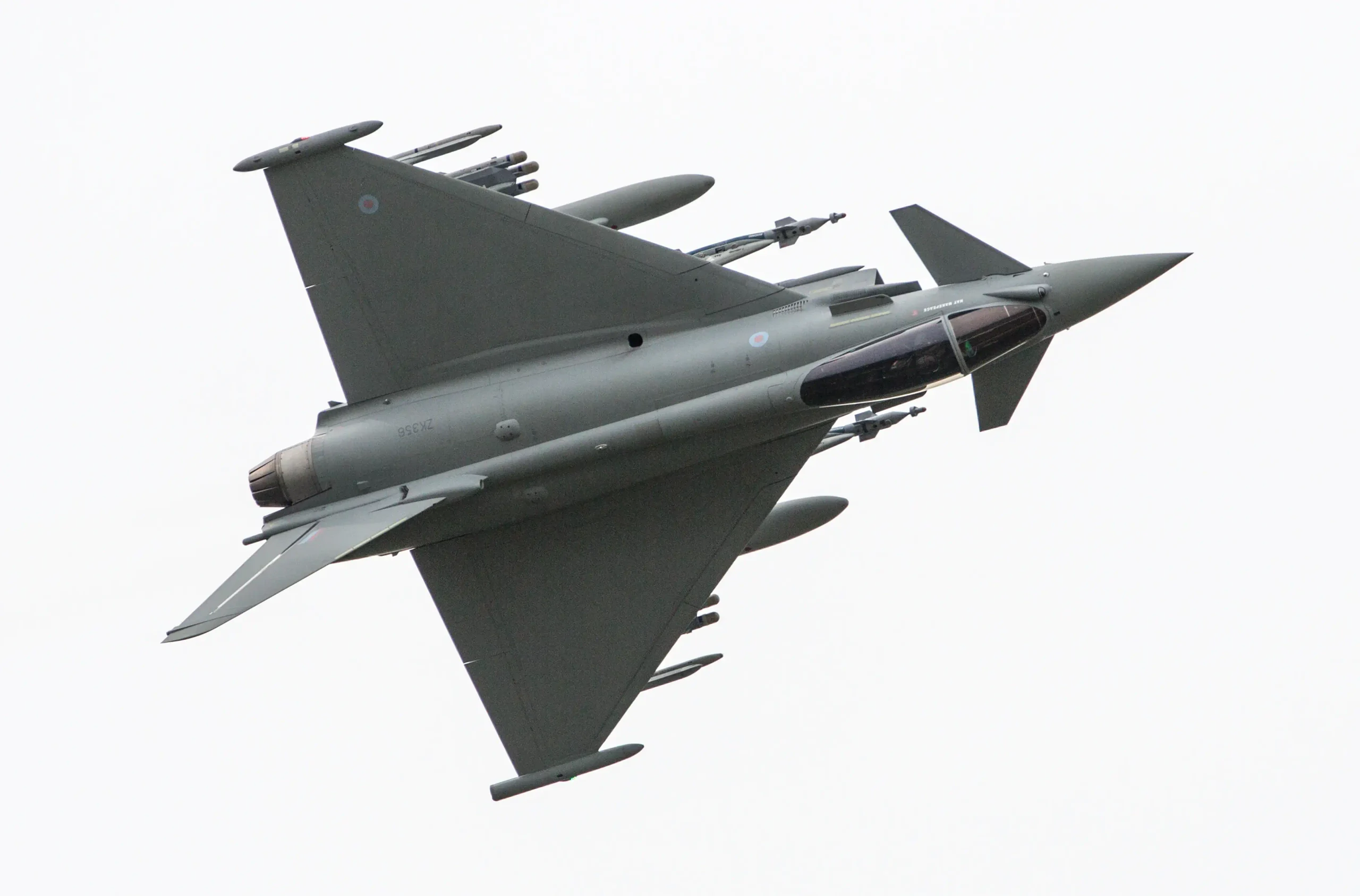
- Air Superiority Shift: Unlike 1982, the British maintain a permanent, highly capable air presence at RAF Mount Pleasant, featuring four Eurofighter Typhoons and a Sky Sabre surface-to-air missile battery.
- Argentine Aviation Woes: Argentina’s legendary Super Étendard anti-ship aircraft are entirely grounded due to a lack of UK-sourced spare parts. Their primary strike capability relies on a small, newly acquired fleet of secondhand F-16s from Denmark.
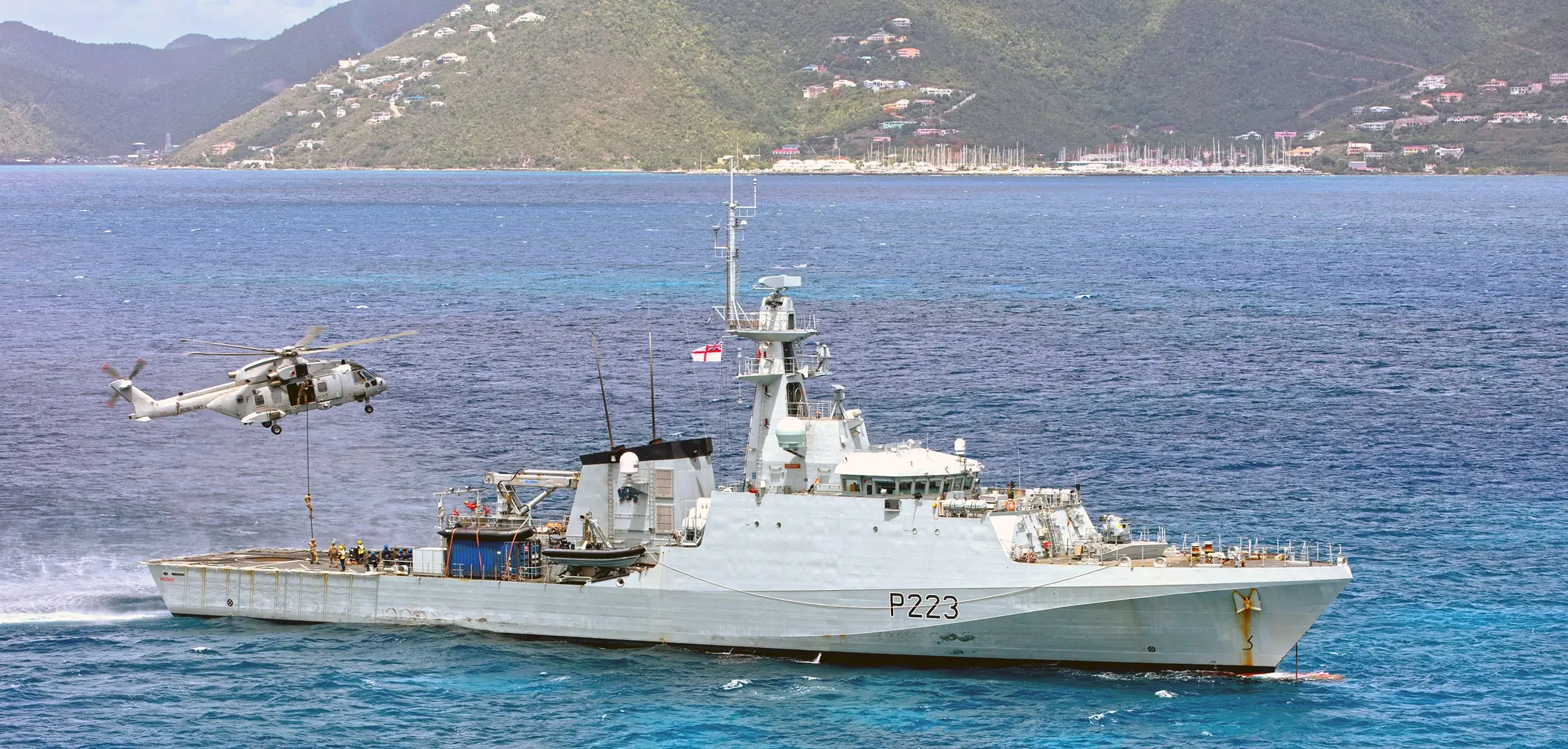
- Local Naval Imbalance: The Royal Navy’s local presence is restricted to lightly armed patrol vessels (HMS Medway and HMS Protector). Conversely, Argentina could achieve local naval superiority with its remaining destroyers and corvettes.
- The British Reinforcement Crisis: If the local RAF runway were neutralized, the modern Royal Navy lacks the escorts, functioning attack submarines, and reliable carrier strike capabilities required to mount a 1982-style amphibious task force to retake the islands.
The Air Superiority Equation: Typhoons vs. F-16s
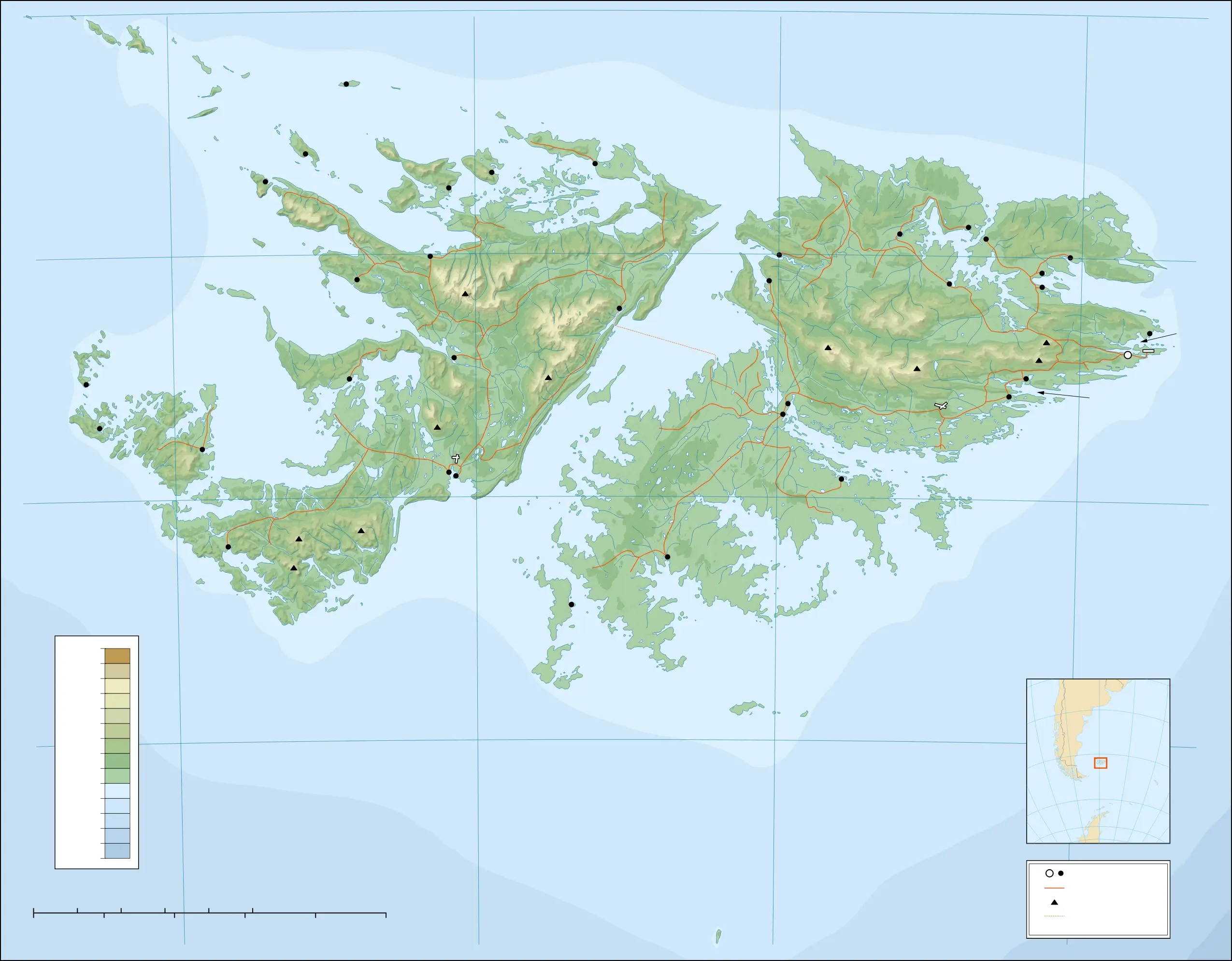
For Argentina to successfully invade, they must achieve local air superiority—a condition that was irrelevant during the initial 1982 assault because the islands lacked a military airfield. Today, RAF Mount Pleasant acts as a fortress 35 miles from Port Stanley, defended by highly advanced ground-based radar and Sky Sabre air defense missiles.
In 1982, Argentina possessed an armada of jets (Skyhawks, Daggers, Mirage IIIs, and Canberra bombers) to interdict British landings. In 2026, the Argentine Air Force relies on a recently purchased fleet of six secondhand F-16 multi-role fighters from Denmark (with 12 more on order), supported by US-supplied KC-135 Stratotankers. However, British ground radar outranges the F-16’s integral systems, and the four RAF Eurofighter Typhoons technologically outclass the older-generation F-16s. Furthermore, Argentina’s fleet of roughly 15 Super Étendard fighter-bombers—famous for launching Exocet missiles in 1982—is grounded entirely due to a lack of spare parts.
Local Naval Supremacy: A Hollowed-Out Arena
In 1982, the only British naval vessel in the region was the lightly armed ice patrol ship HMS Endurance. Today’s local presence is remarkably similar: the Falkland Islands guard ship is HMS Medway, a 2,000-ton River-class offshore patrol vessel armed with only a 30mm cannon and machine guns, supplemented by the ice patrol ship HMS Protector.
Argentina, despite losing its aircraft carrier (Veinticinco de Mayo) and operating zero functioning submarines, could conceivably overwhelm these two British vessels. The current Argentine surface fleet consists of three destroyers and six corvettes. In a localized initial clash, Argentina holds the naval advantage in the immediate waters surrounding the islands.
Fortress Falklands: The Ground Garrison
Even if Argentine forces bypassed the RAF and achieved a landing, they would face a vastly different ground reality than in 1982. The British maintain a permanent garrison of up to 1,500 personnel.
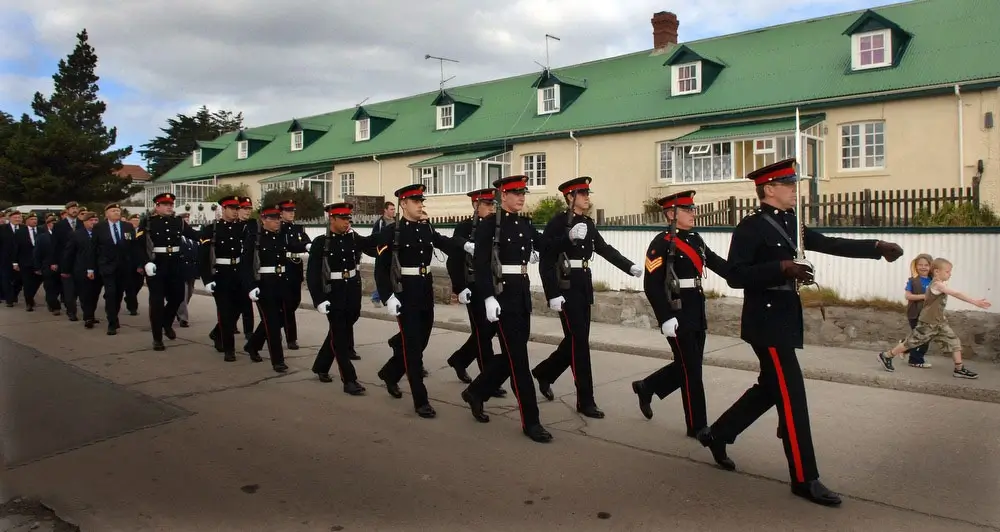
The combat core consists of a roulement infantry company (currently drawn from the 5th Battalion, The Rifles), supported by Royal Engineers, the Royal Logistic Corps, and the Royal Artillery. Additionally, the Falkland Islands Defence Force (FIDF) provides roughly 40 well-trained local light infantrymen. This combined force of at least four rifle companies could mount a prolonged, entrenched defense of Port Stanley and the surrounding air bases while awaiting reinforcement.
The Task Force Dilemma: Britain’s Attrition Crisis
The ultimate deterrent against an Argentine invasion is the threat of a second British Task Force. In 1982, Britain dispatched an armada of 2 carriers, 8 destroyers, 15 frigates, 6 submarines, and 22 Royal Fleet Auxiliary vessels.
A modern equivalent is highly unlikely. The Royal Navy has been severely diminished by successive budget cuts:
- Escort Deficit: Britain currently fields only 6 destroyers and 5 aging frigates, many of which are confined to dockyards for extended refits.
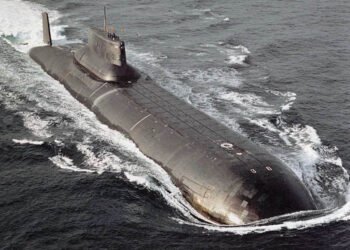
- Submarine Absence: All of Britain’s hunter-killer submarines are currently laid up in maintenance.
- Carrier Reliability: While the UK possesses two modern aircraft carriers, mechanical unreliability raises serious doubts about their ability to complete an 8,000-mile deployment to the harsh South Atlantic without breaking down. The F-35B Lightnings they carry also require extensive, delicate maintenance schedules.
- Amphibious Lift: Specialized amphibious warfare ships have been retired or slated for scrap, leaving the transport of troops to just three RFA Bay-class landing ships.
Task Force Capabilities (1982 vs. 2026)
| Capability / Asset | UK Task Force (1982) | UK Task Force (2026 Potential) | Argentine Fleet (1982) | Argentine Fleet (2026) |
| Aircraft Carriers | 2 (Hermes, Invincible) | 2 (Mechanically unreliable) | 1 (Veinticinco de Mayo) | 0 |
| Destroyers & Frigates | 23 (8 Destroyers, 15 Frigates) | 11 Total (Many in maintenance) | 6 (2 Type 42, 4 WWII-era) | 3 Destroyers, 6 Corvettes |
| Submarines | 6 (Nuclear Hunter-Killers) | 0 (All currently in maintenance) | 2 (Diesel-Electric) | 0 (No functioning subs) |
| Local Air Cover | 0 | 4 Eurofighter Typhoons | N/A | N/A |
| Strike Aircraft | 38 Harriers | ~24 F-35B Lightnings (if deployed) | ~100+ Jets (Skyhawks, Daggers) | 6 F-16s (Super Étendards grounded) |
| Amphibious Transport | 5 Landing Ships | 3 RFA Bay-class | 1 Landing Ship, 1 Icebreaker | 1 Support Ship, 1 Icebreaker |
FINAL ASSESSMENT
Any immediate Argentine move on the Falklands in 2026 could likely be contained by the British forces already stationed there—specifically the four RAF Typhoons and the ground garrison. However, this defense hinges entirely on the survival of the Mount Pleasant runway. If an expanded Argentine Air Force (utilizing new F-16s and KC-135 tankers) successfully neutralizes the RAF base and lands troops, Great Britain is currently strategically paralyzed. The modern Royal Navy lacks the reliable carriers, functioning submarines, and sheer volume of escort vessels required to project a second liberation Task Force 8,000 miles into the South Atlantic.