Bottom Line Up Front
- Procurement & Fleet Density: Staggering $2 billion unit cost per airframe, with a highly restricted, finite production run of only 21 total aircraft.
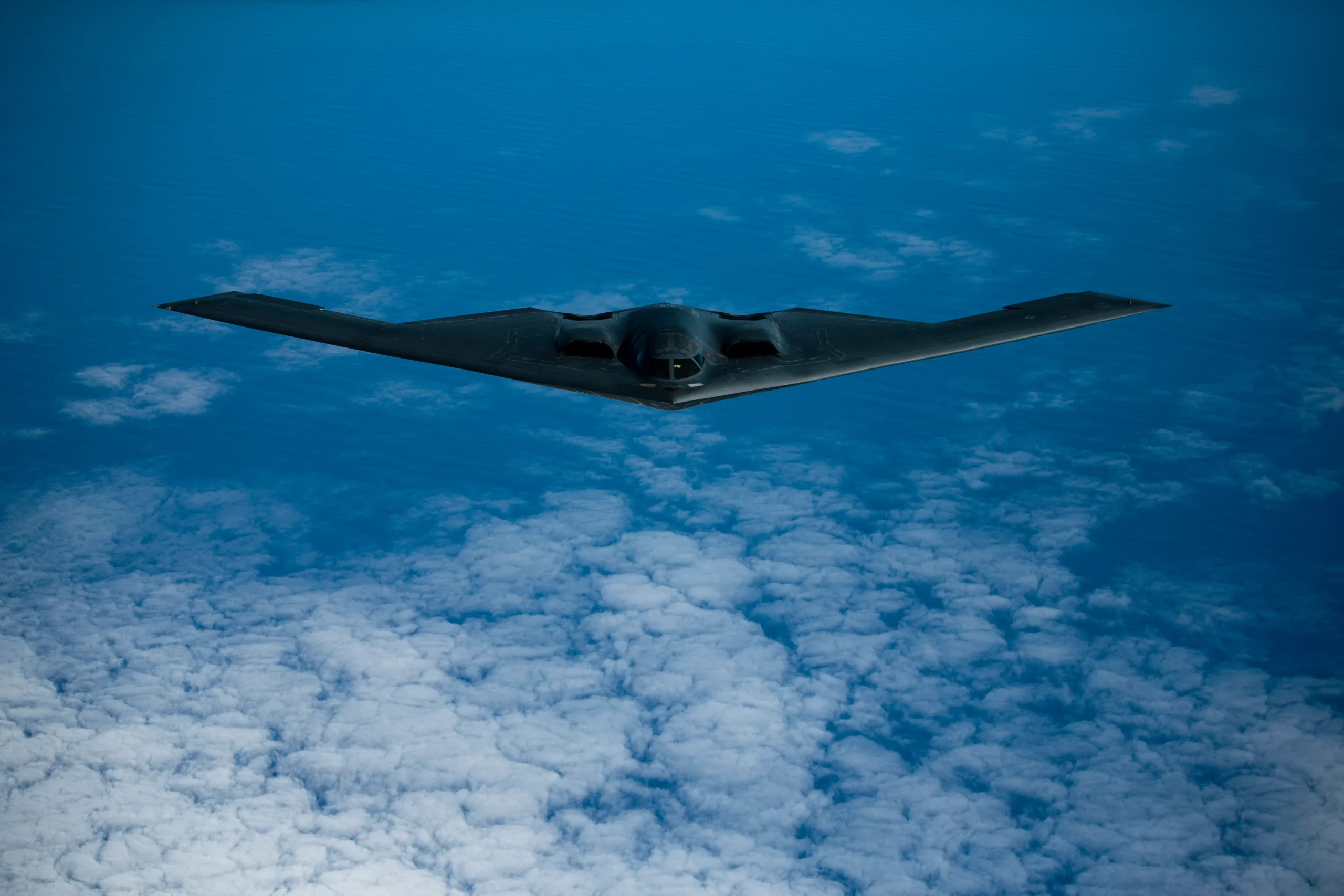
- RCS Reduction: Radar Cross-Section (RCS) is engineered to be 1,000 times smaller than the B-52, registering on enemy early-warning radar with the signature of a small bird.
- Kinetic Payload Capacity: Employs twin weapons bays carrying up to 40,000 lbs (20 tons), configurable for up to 80 independently targeted 500-lb JDAMs or the massive 30,000-lb GBU-57 Massive Ordnance Penetrator (MOP).
- Global Reach: Operational unrefueled range of 11,000 km (6,000 nmi) with a service ceiling of 50,000 ft; achieves true global strike capability via aerial refueling.
- Signature Suppression: Utilizes four deeply buried General Electric F118-GE-100 turbofans with cooled exhaust manifolds to drastically reduce the aircraft’s infrared (IR) footprint.
Bypassing the Soviet Integrated Air Defense
The B-2 Spirit was born out of a critical vulnerability identified in 1975: the inability of the B-52 Stratofortress fleet to survive modern Soviet surface-to-air missile (SAM) networks. Sending conventional heavy bombers into heavily contested airspace had become a high-attrition, mathematically unsustainable strategy.
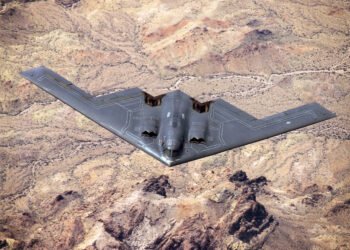
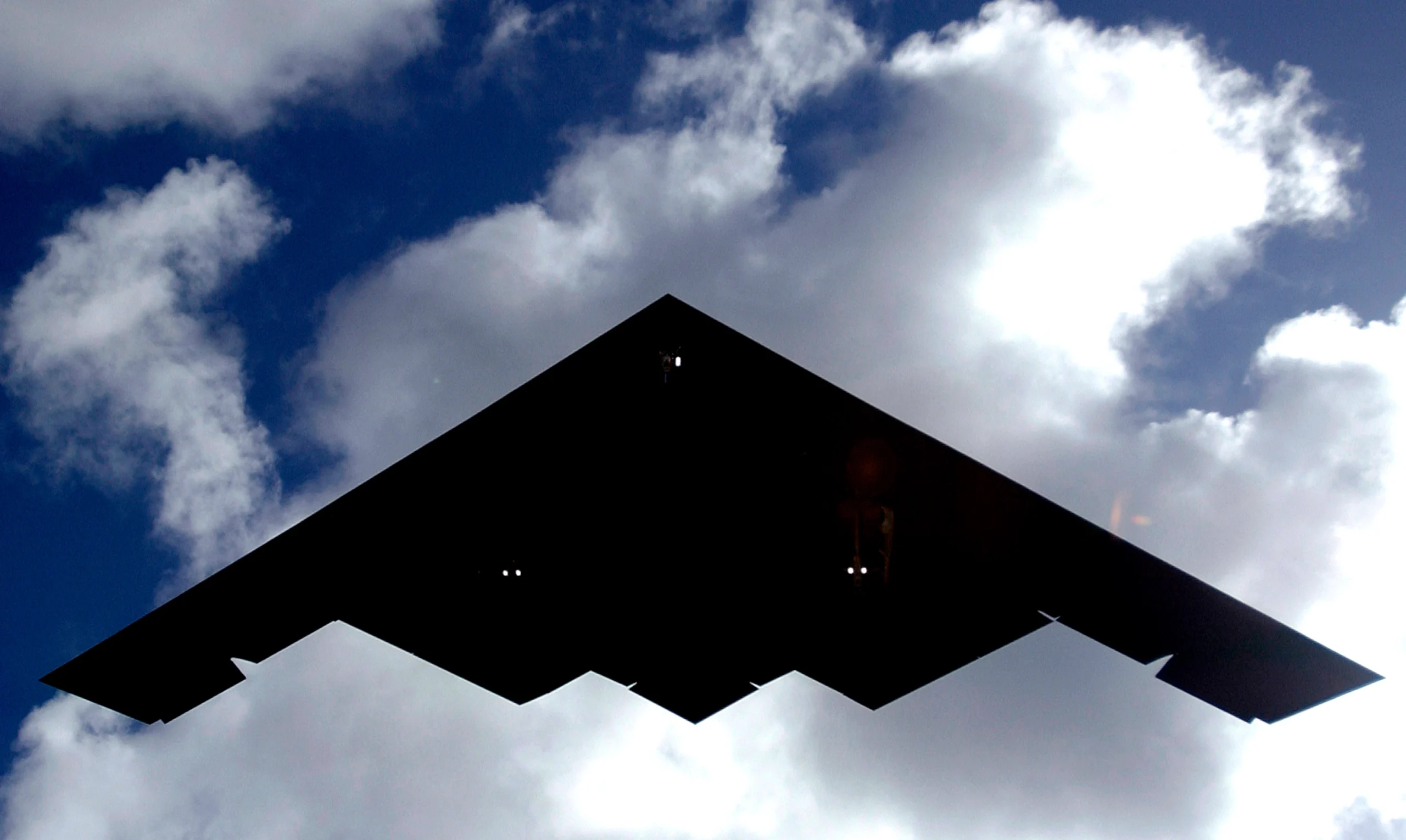
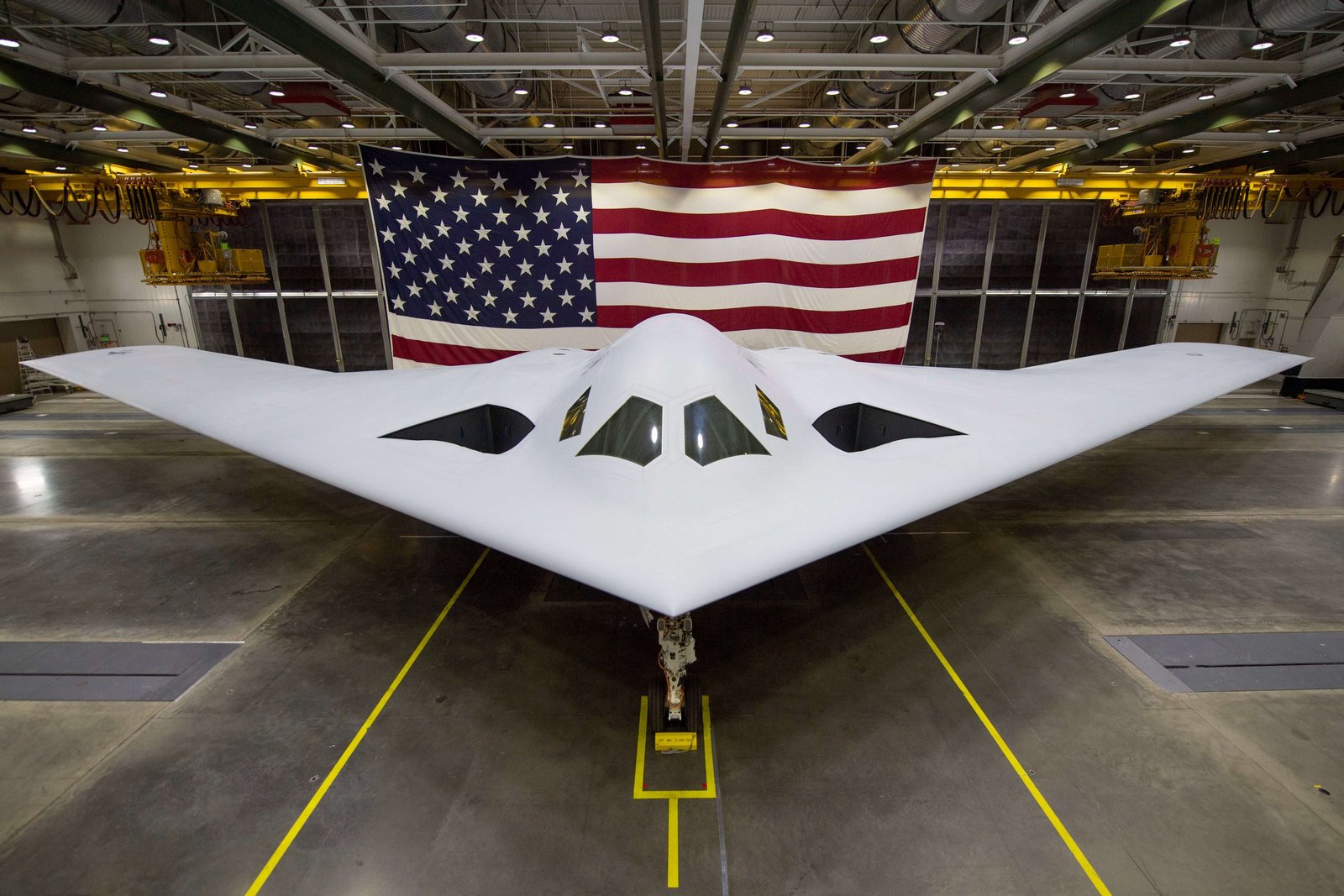
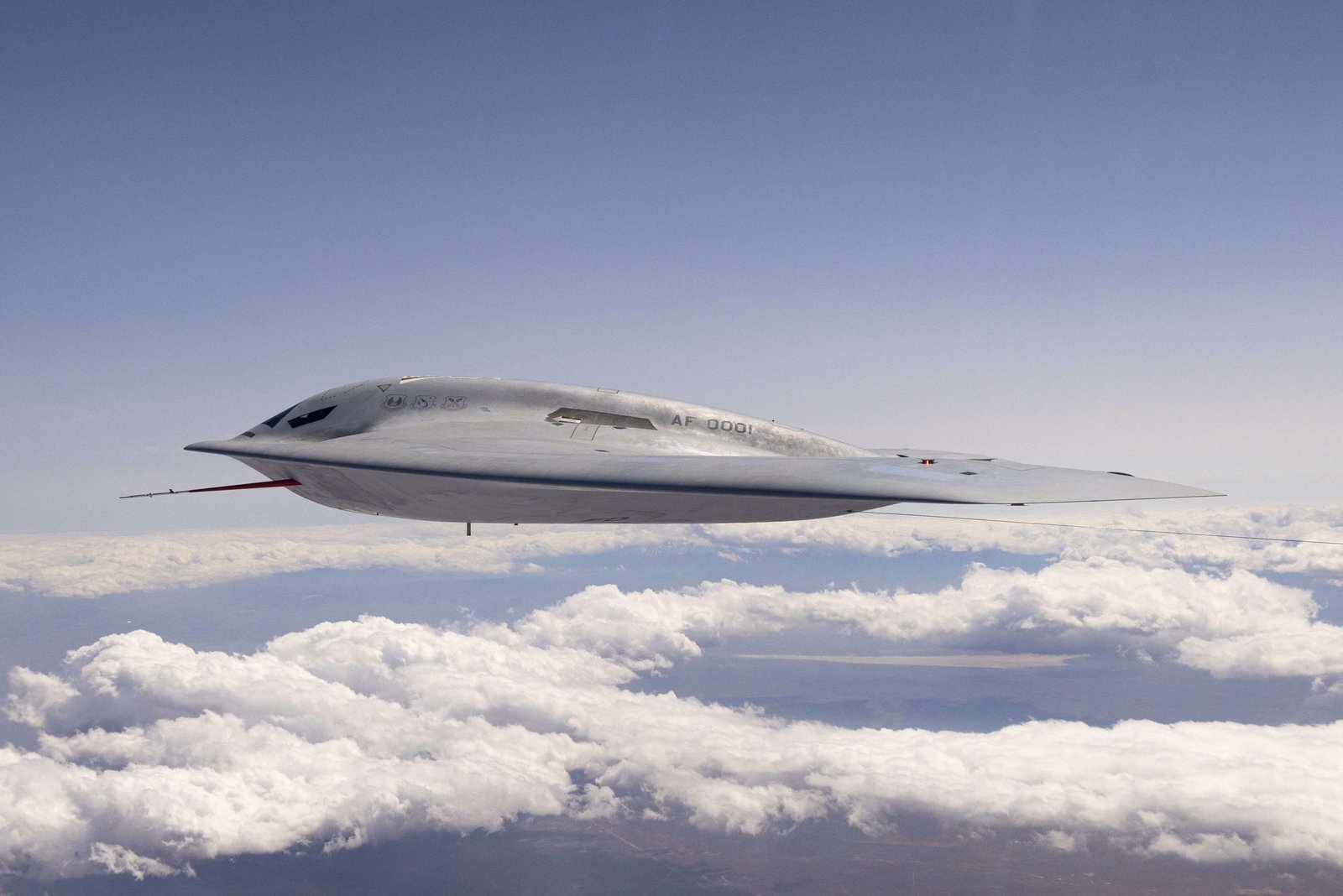
The Pentagon initiated the Advanced Technology Bomber (ATB) program to preserve the airborne leg of the nuclear triad. The solution was highly classified and rooted in Jack Northrop’s canceled 1947 YB-49 flying wing. By eliminating the fuselage and tail, engineers removed the vertical surfaces most responsible for reflecting radar waves back to enemy receivers.
Low-Observable Engineering and Aerodynamics
To achieve true stealth, the B-2 relies on a combination of exotic materials and aggressive aerodynamic shaping. The airframe spans exactly 50 meters (172 feet) across and is constructed primarily of carbon-graphite composites. These materials are inherently lighter, stronger, and significantly more radar-transparent than traditional aerospace aluminum.
Every seam, access panel, and payload bay door is precision-engineered to prevent radar wave reflection. The exterior is coated in classified Radar-Absorbent Material (RAM) that captures and dissipates electromagnetic energy rather than bouncing it back. Because flying wings are inherently unstable in the pitch and yaw axes, flight stability is maintained by a heavily classified, quad-redundant fly-by-wire computer system making micro-adjustments to control surfaces in milliseconds.
Penetrating Strike and Payload Integration
The B-2 operates with a minimalist crew of two—a pilot and a mission commander—who manage a deeply integrated suite of electronic countermeasures, terrain-following radar, and redundant navigation arrays, including an automated celestial navigation system should GPS be jammed.
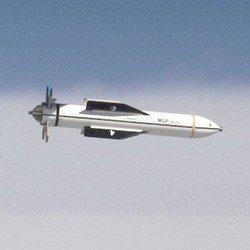
Its offensive capability is unparalleled. For conventional precision strikes, it can deploy 80 individual 500-lb GPS-guided munitions in a single pass. In a strategic anti-bunker role, it is the only aircraft capable of carrying the 15-ton GBU-57 Massive Ordnance Penetrator (MOP). This weapon is explicitly designed to annihilate deeply buried, hardened command centers and subterranean nuclear facilities.
The Shift to the B-21 Raider
Despite its overwhelming tactical advantages, the B-2 Spirit is a logistical burden. The intense maintenance required to reapply its RAM coating and upgrade legacy 1980s avionics drives operational costs exponentially higher.
To maintain deterrence into the 2030s, the USAF is actively phasing in the B-21 Raider. Operating as a 6th-generation platform, the B-21 is designed to be physically smaller, far cheaper to procure, and significantly easier to maintain, allowing the Pentagon to field a much higher volume of stealth assets while retaining the B-2’s core penetrating strike doctrine.
| Specification | Metric / Detail | Tactical Implication |
| Unit Cost | $2.13 Billion (1997 USD) | Limits fleet size; restricts deployment to high-value missions. |
| Wingspan | 172 ft (52.4 m) | High lift-to-drag ratio; optimized for high-altitude endurance. |
| Powerplant | 4× GE F118-GE-100 Turbofans | Non-afterburning; cooled exhaust limits thermal/IR signature. |
| Thrust | 17,300 lbf (77 kN) per engine | Sustains subsonic high-altitude cruise without thermal spiking. |
| Max Payload | 40,000 lbs (18,000 kg) | Supports GBU-57 bunker buster or 80x 500-lb JDAMs. |
| Combat Range | 6,000 nmi (11,000 km) | Transcontinental strike capability without forward basing. |
| Service Ceiling | 50,000 ft (15,200 m) | Above optimal engagement envelopes of legacy SAM systems. |
| Avionics Failsafe | Automated Celestial Navigation | Guaranteed targeting accuracy in GPS-denied environments. |
FINAL ASSESSMENT
The B-2 Spirit stands as the ultimate strategic insurance policy for U.S. Global Strike Command. While its $2 billion price tag and exhaustive maintenance cycles represent a structural vulnerability in terms of operational readiness rates, its combat capability remains unassailable. It is currently the only manned platform on Earth capable of penetrating integrated, multi-layered air defense environments to deliver the 30,000-lb GBU-57 bunker buster. Until the B-21 Raider reaches full operational capability and critical mass, the B-2 remains an irreplaceable force multiplier and a persistent, highly credible deterrent against near-peer escalation.