
KEY INTELLIGENCE
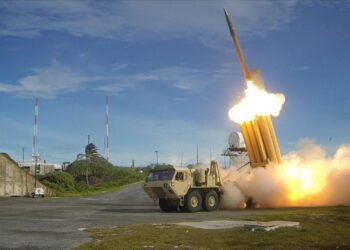
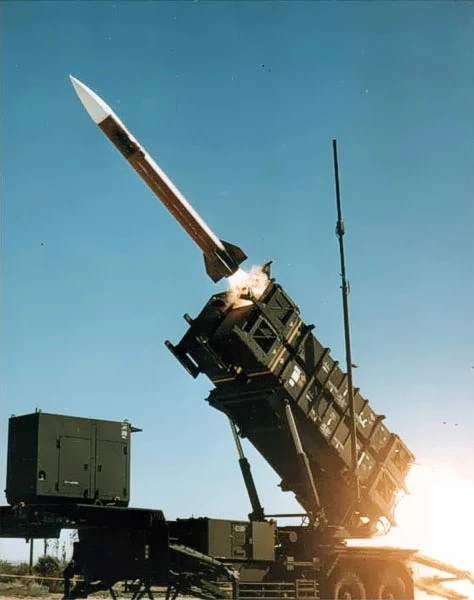
- Critical Munition Depletion: U.S. Patriot interceptor stockpiles are depleted by 65%, while THAAD interceptor inventory has dropped by 38% to 48% after defending against 8,500+ incoming threats.
- Long-Range Strike Deficits: Stocks of Tomahawk cruise missiles, ATACMS, and JASSM precision munitions are down by 50% to near-total exhaustion, constrained by a 2-year production lead-time per interceptor.
- Command Purge: Secretary of War Pete Hegseth forced out 5 out of 10 four-star generals, fired Army Chief of Staff Gen. Randy George without replacement, and blocked promotions for 45 flag officers.
- Logistical Fragility: Following the destruction of the main U.S. Navy logistics base in Bahrain, resupply operations for 50,000 deployed troops rely on a 2,200-mile supply line from Diego Garcia, delivering 8 million gallons of fuel weekly.
- Institutional Dissent: Three of the five remaining four-star generals issued formal non-concurrence filings against mandatory deployment extensions into 2027, detailed in a leaked Secretary of Defense Orders Book (SDOB).
Stockpile Attrition: The Precision Strike & Interceptor Deficit
After striking over 13,000 targets in Iran, the U.S. military faces an acute munition exhaustion crisis that directly threatens global force posture. The heaviest expenditure has occurred across five primary missile families: THAAD interceptors, Patriot (PAC-3) interceptors, ATACMS, Tomahawk Land Attack Missiles (TLAM), and AGM-158 JASSM air-launched cruise missiles.
This rapid consumption rate has compromised air defense capabilities across secondary theaters. Ukrainian operations have seen Patriot supply lines dry up entirely, leaving European NATO members vulnerable. Industrial defense capacity cannot absorb this burn rate; producing a single Patriot interceptor requires up to 24 months, preventing rapid inventory replenishment.
Command Vacuum: Strategic Friction in the Pentagon
Simultaneously, administrative upheavals within the Department of War have severely degraded operational planning. Secretary of War Pete Hegseth’s removal of Army Chief of Staff General Randy George—left unreplaced—was accompanied by the forced departure of 5 of the military’s 10 four-star generals and the resignation of Army Secretary Daniel Driskell.
This leadership void directly contributed to an unprecedented intelligence breach: the leaking of the classified Secretary of Defense Orders Book (SDOB). The leaked document revealed orders extending CENTCOM deployments through 2027. Crucially, 3 out of the 5 remaining four-star generals lodged formal non-concurrence designations against the directive—a stark, public indicator of senior military resistance to civilian war management.
Logistical Chokepoints and Maritime Sustainment Crises
Sustaining a forward deployment of 50,000 military personnel has become a monumental logistical bottleneck. The initial destruction of the primary U.S. Navy logistics support facility in Bahrain severed central Persian Gulf supply lines, forcing CENTCOM to stage resupply missions out of Diego Garcia—2,200 miles away.
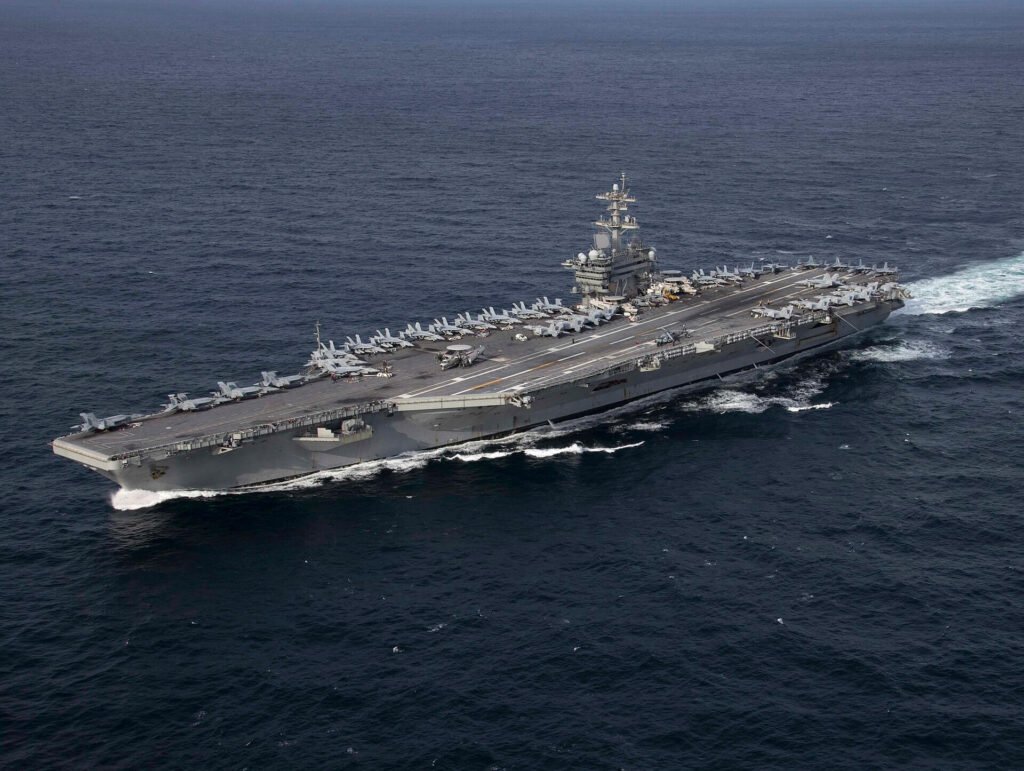
Naval strike forces are suffering extreme operational fatigue. The aircraft carrier USS Abraham Lincoln (CVN-72) has logged over 270 continuous days at sea under combat conditions, managing a weekly logistical throughput of 8 million gallons of marine/aviation fuel and 420,000 meals. This extended strain highlights a fundamental reality: high-tech precision warfare cannot overcome foundational logistical vulnerabilities.
U.S. Precision Munition & Interceptor Stockpile Status
| Missile System | Primary Operational Role | Estimated Stockpile Expenditure | Production Lead-Time | Global Strategic Consequence |
| Patriot (PAC-2/PAC-3) | Short/Medium Ballistic & Cruise Missile Defense | 65% Depleted | 24 Months per unit | Severe shortfall in NATO European air defense coverage |
| THAAD Interceptor | Terminal High-Altitude Area Defense (BMD) | 38% – 48% Depleted | 18–24 Months | Reduced BMD protection for Pacific and Gulf bases |
| TLAM (Tomahawk) | Surface/Sub-launched Long-Range Strike | ~50% Depleted | 18–22 Months | Compromised naval land-attack capacity against peer adversaries |
| AGM-158 JASSM | Air-Launched Precision Standoff Attack | Critical / Near Exhaustion | 12–18 Months | Degraded standoff strike capability for USAF bomber fleets |
| ATACMS / PrSM | Ground-based Precision Tactical Artillery | ~50% Depleted | 12–16 Months | Depleted tactical ground-strike reserves for regional allies |
Final Assessment
The six-month mark of the U.S.-Iran conflict confirms that industrial capacity and logistical sustainment remain the ultimate arbiters of modern warfare. Despite conducting over 13,000 precision strikes, the U.S. military has failed to force a decisive strategic outcome, while critically depleting its most advanced air defense and standoff strike inventories. Coupled with Pentagon leadership purges and an unprecedented general officer non-concurrence leak, CENTCOM faces severe strategic overextension. Without immediate operational pausing or rapid industrial scaling, current expenditure rates will leave global U.S. combatant commands structurally vulnerable to secondary theater contingencies.