
- Strait of Hormuz Interdiction: An Iranian commercial vessel was struck and disabled by an unknown projectile off Qeshm Island, resulting in one fatality and four wounded. This incident escalates the maritime conflict following US retaliatory strikes that disabled three Iranian oil tankers.
- Chinese Targeting Support: The Wall Street Journal confirms Chinese entities supplied high-resolution electro-optical and synthetic aperture radar (SAR) satellite imagery to Iran, directly enabling the precision drone strike on Tower 22 in Jordan that killed three US troops.
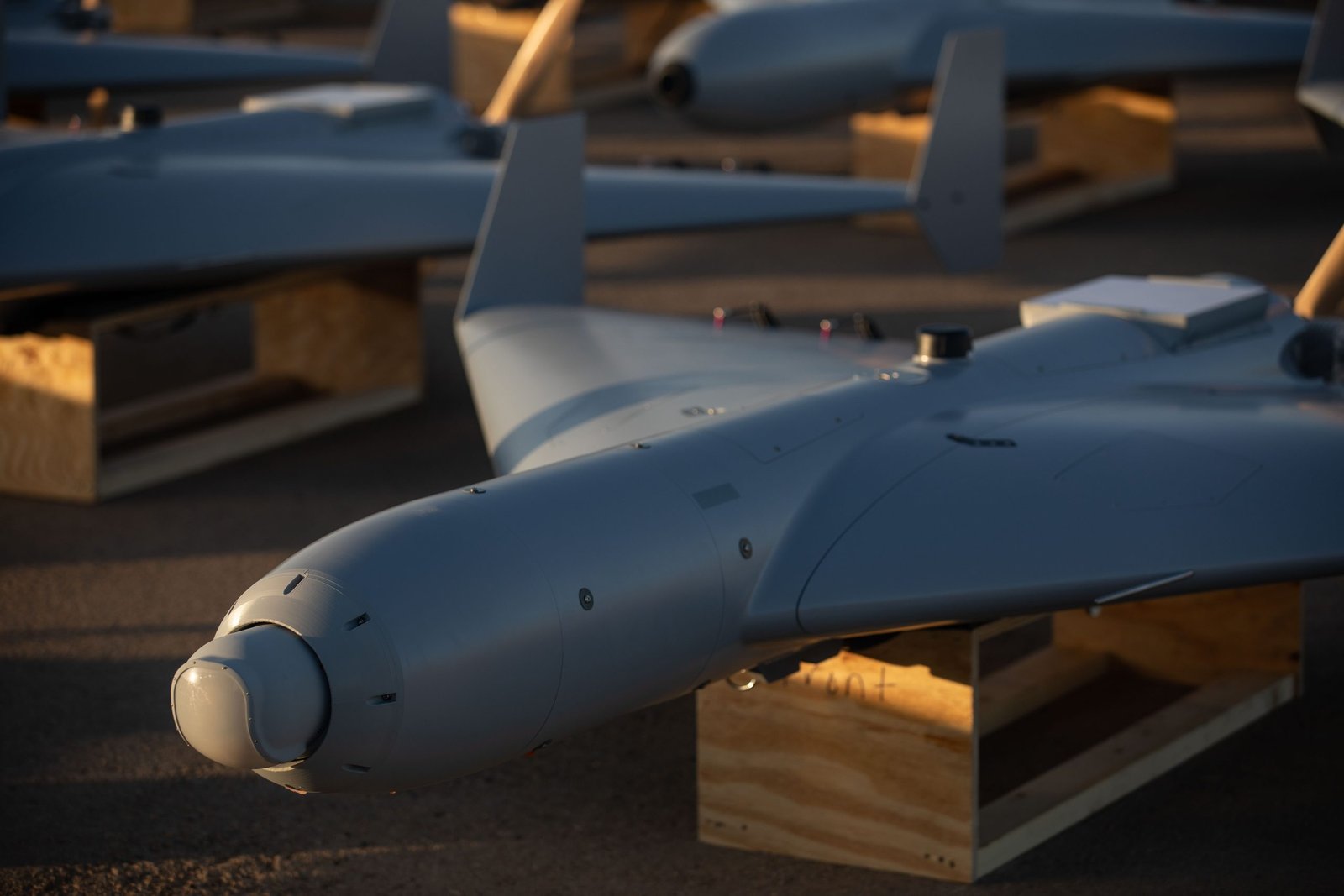
- LUCAS Swarm Deployment: US Central Command (CENTCOM) has deployed the FLM-136 LUCAS—a $35,000 low-cost uncrewed combat attack system—to overwhelm Iranian air defenses, effectively utilizing swarm tactics against the originators of swarm warfare.
- First Naval USV Kill: In a historic naval engagement, a Ukrainian Sargan-3000 uncrewed surface vessel (USV) destroyed a Russian Orcan-type USV in the Black Sea, marking the first recorded autonomous boat-on-boat combat kill.
Qeshm Island and Carrier Defense
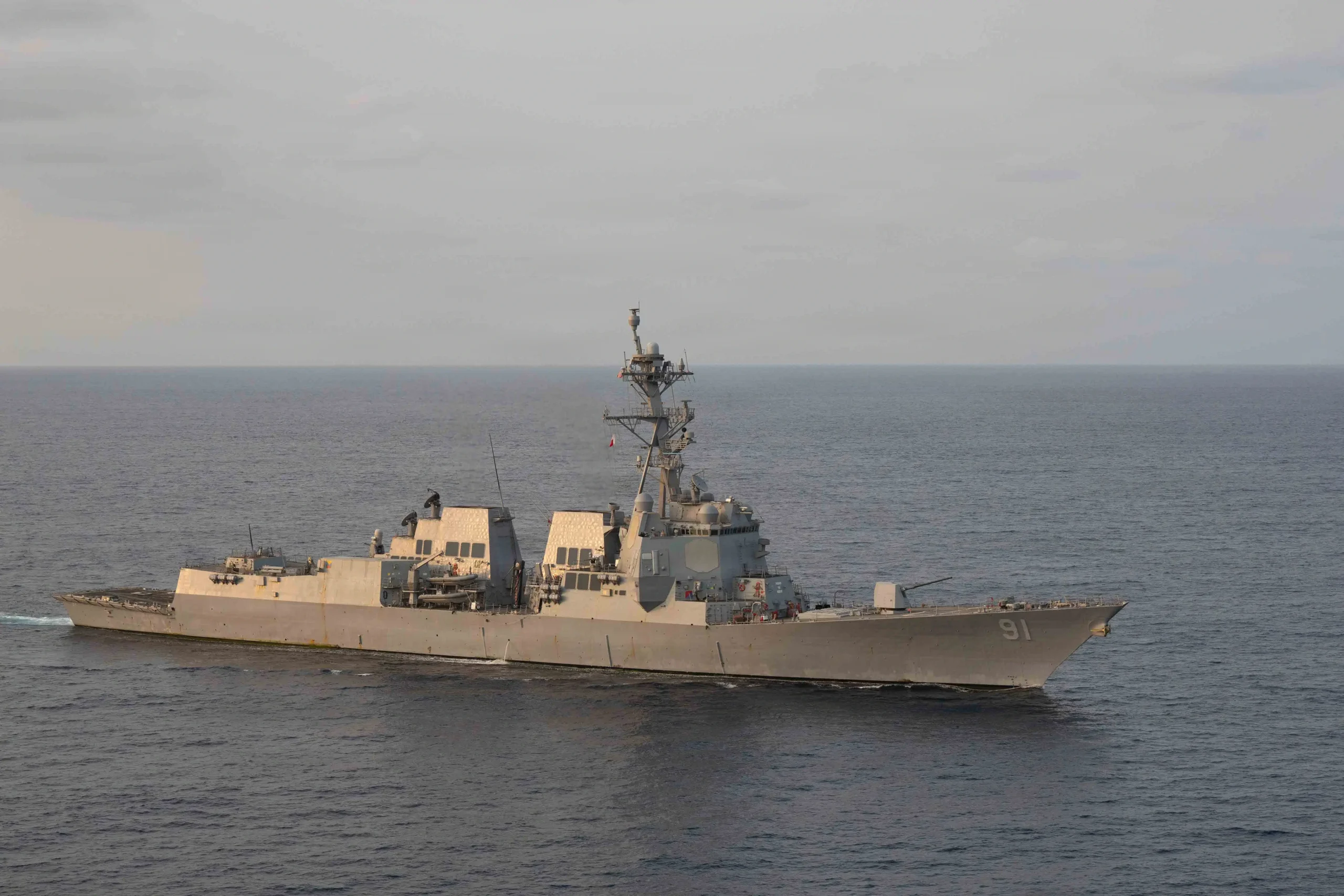
The Strait of Hormuz is currently operating at maximum kinetic density. Following a September 5 IRGC ballistic missile attack directed at a US Nimitz-class aircraft carrier and an Arleigh Burke-class guided-missile destroyer, US forces executed immediate retaliatory strikes. These operations permanently disabled two Iranian crude carriers and destroyed a third after directing the crew to abandon ship.
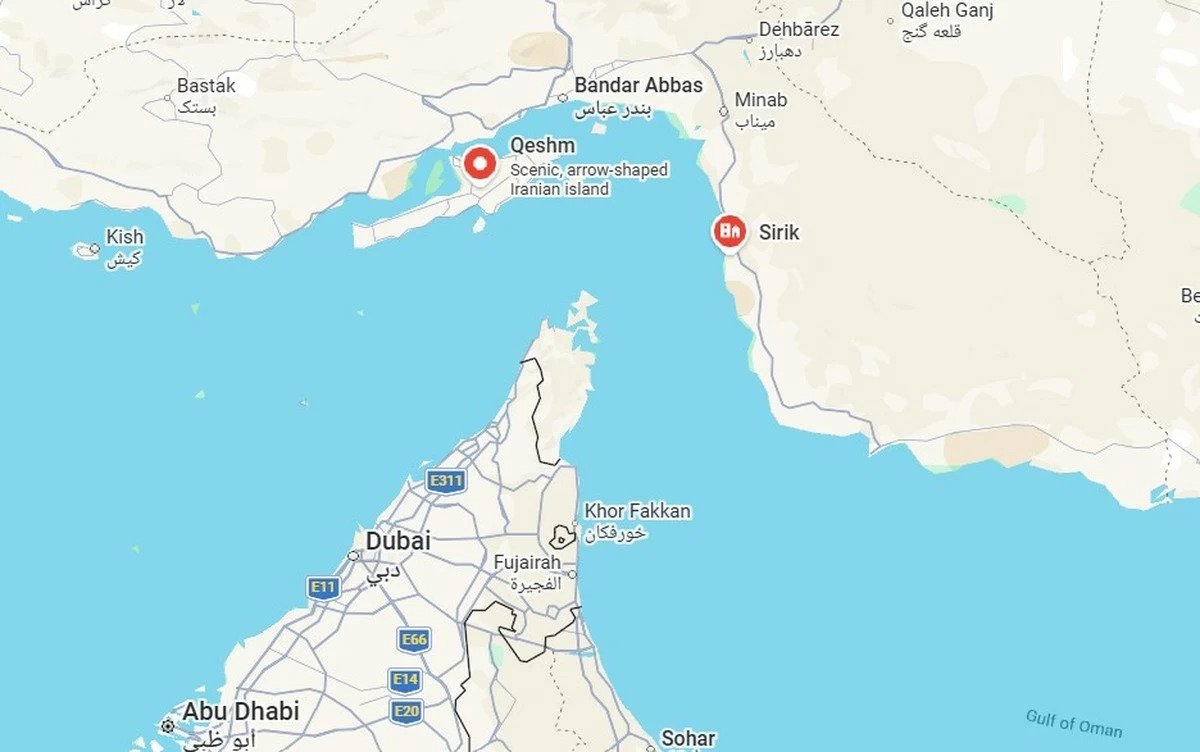
Currently, an Iranian commercial vessel is burning off the coast of Qeshm Island after being struck by an unidentified projectile. Qeshm Island sits in a highly congested operational zone filled with military vessels, coastal defense cruise missile (CDCM) batteries, and dense commercial traffic. It remains unconfirmed whether this was a US kinetic response, an emergent regional rebel faction utilizing FPV drones, or a Gulf partner nation taking independent action.
Super Hornets and the LUCAS Swarm
Defending the carrier strike group requires a highly integrated, multi-layered defense web. The outer screen relies exclusively on F/A-18E/F Super Hornets executing continuous combat air patrols. Armed with 500-lb and 1,000-lb JDAMs and the internal 20mm M61A2 Vulcan rotary cannon, these platforms are optimized for maritime strike. High-explosive incendiary (HEI) rounds from the Vulcan cannon are devastating against the carbon-fiber and fiberglass hulls of Iranian fast attack crafts (FAC), neutralizing maritime threats before they reach the fleet’s inner perimeter.
Inside the operational theater, the US has flipped the script on asymmetric warfare by heavily deploying the FLM-136 LUCAS. Modeled after the Iranian HESA Shahed-136, this $35,000 autonomous one-way attack drone delivers a high-end capability payload at a radically low cost. With an operational range of 500 miles and AI-driven autonomous navigation, US forces are now saturating Iranian radar systems by turning Iran’s foundational mass-swarm doctrine directly against its own infrastructure.
China’s Role in Lethal Targeting
The geopolitical calculus shifted permanently with the confirmation that Chinese entities provided high-resolution satellite imagery to Iran ahead of the deadly July attack on US forces at Tower 22 in Jordan. Ballistic missiles and one-way attack drones require precise, updated telemetry to adjust for target drift and to optimize terminal phase maneuvers.
China’s commercial satellite sector—capable of high-grade electro-optical, infrared, and synthetic aperture radar (SAR) imaging—provides Iran with a persistent, high-fidelity view of the battlespace. This surrogate targeting intelligence bypasses traditional military aid restrictions while acting as a lethal force multiplier for Iranian proxy networks attempting to target mobile assets like US aircraft carriers.
Asymmetric Threat & Autonomous Systems Comparison
| System | Origin / Operator | Unit Cost / Est. | Payload / Armament | Range / Speed | Primary Mission Role |
| FLM-136 LUCAS | United States | $35,000 | Undisclosed HE Warhead | 500 miles (800 km) | Saturation strike, SEAD, anti-swarm |
| Sargan-3000 USV | Ukraine | Classified | Up to 450 kg (990 lbs) | 1,600 km / 55 knots | Maritime interdiction, USV combat |
| Orcan-type USV | Russia | Classified | Explosive Warhead | Undisclosed / High Agility | Kamikaze strike, harbor denial |
| F/A-18E/F Super Hornet | United States | ~$67 Million | 20mm M61A2, 17,750 lbs ordnance | 1,275 nmi / Mach 1.6 | Carrier defense, maritime strike |
The introduction of Chinese targeting telemetry into the Iranian proxy network represents a critical structural vulnerability for US forward operating bases and mobile maritime assets. The battlespace has firmly decentralized into robotic proxy warfare, evidenced by the US adoption of the FLM-136 LUCAS swarm drones and the world’s first USV-on-USV naval kill. Traditional naval assets must now operate within an environment oversaturated by low-cost, highly agile autonomous threats. The primary operational directive for defense professionals must shift toward rapidly scaling counter-UAS AI targeting systems and hardening supply chain logistics against swarm saturation.