KEY INTELLIGENCE
- Propulsion Architecture: Powered entirely by an NPO Iskra 3L2211 solid-fueled rocket engine; explicitly lacks the scramjet or air intake required for true cruise missile classification.
- Kinetic Profile: Achieves a peak descent velocity of Mach 9 from a 132,000-foot apogee, with sustained maneuvering speeds limited to Mach 6.8.
- Payload Discrepancy: Employs a 265-lb (120 kg) 3G22 warhead, significantly lighter than the 660–880 lb payload previously claimed by Russian state media.
- Supply Chain Vulnerability: Debris analysis identified components from over 70 foreign organizations, including specific microelectronics from U.S.-based Intel and Corvo subsidiaries.
- Air Defense Vulnerability: Repeatedly intercepted and destroyed in combat by Ukrainian MIM-104 Patriot batteries utilizing PAC-3 CRI and MSE interceptors.
Russian Maskirovka and the Hypersonic Narrative
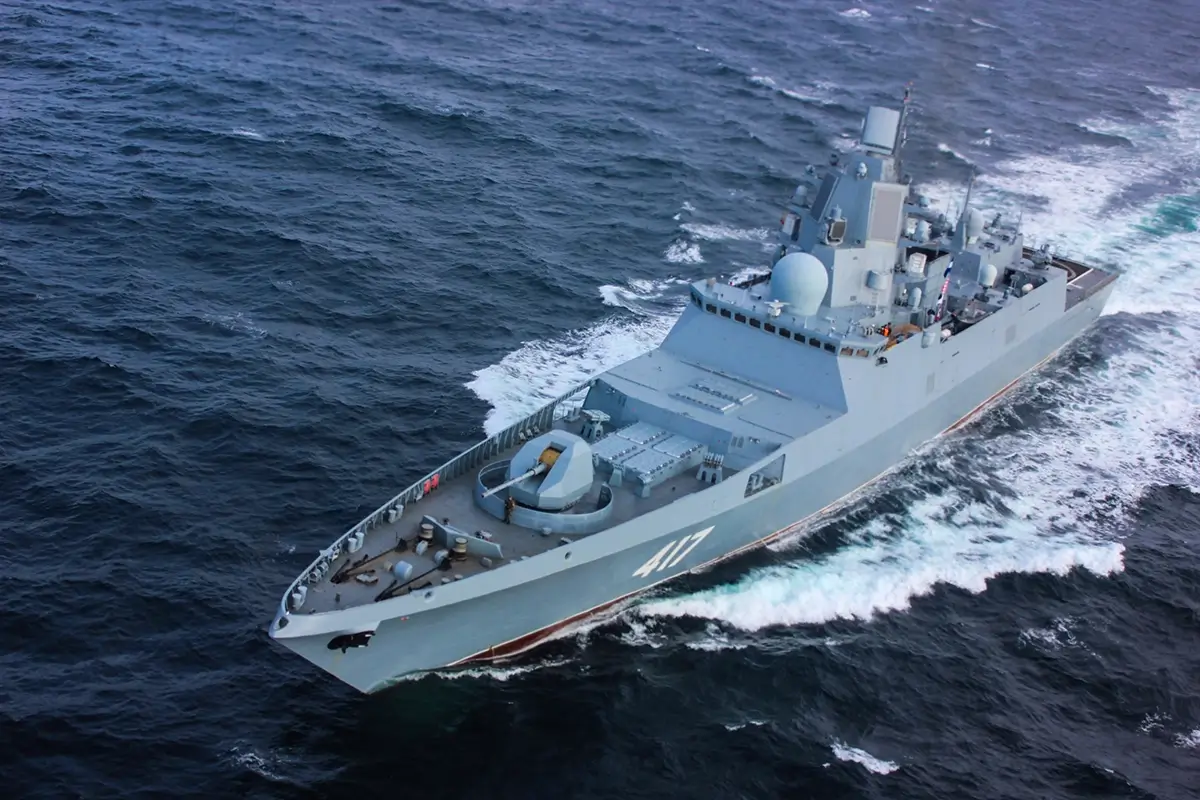
For over a decade, the Kremlin has leveraged state media and reflexive control tactics (Maskirovka) to market the 3M22 Zircon as an unstoppable hypersonic cruise missile. First announced in 2011, Russian defense officials routinely claimed the weapon was a scramjet-powered, radar-evading system capable of rendering Western aircraft carriers obsolete.
This state-sponsored disinformation loop relied heavily on unverified tests and compliant proxy media to artificially project strategic overmatch. By claiming to field the world’s first operational scramjet missile, Moscow aimed to deter NATO intervention and secure its position as a top-tier arms supplier to nations facing Western sanctions.
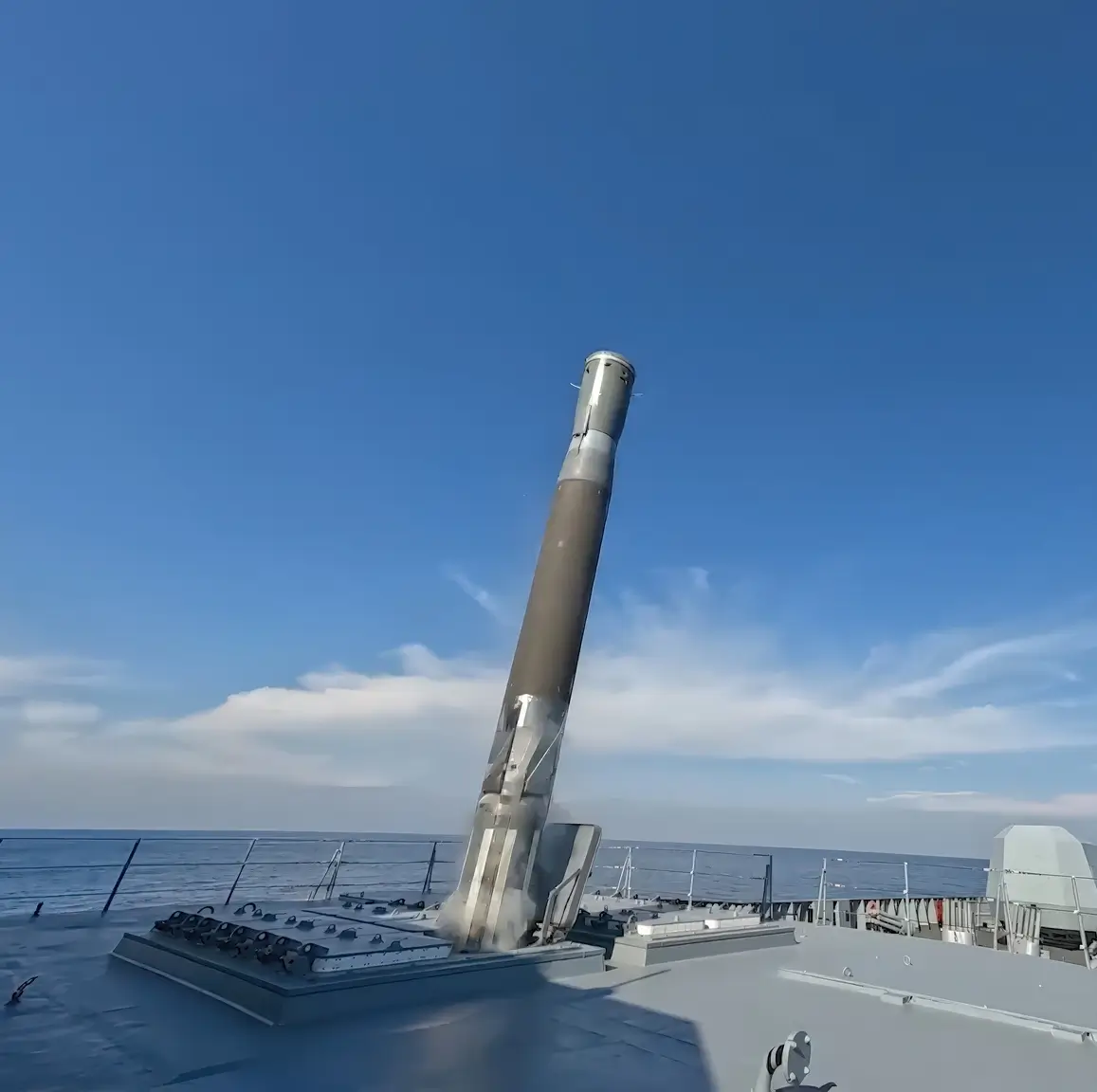
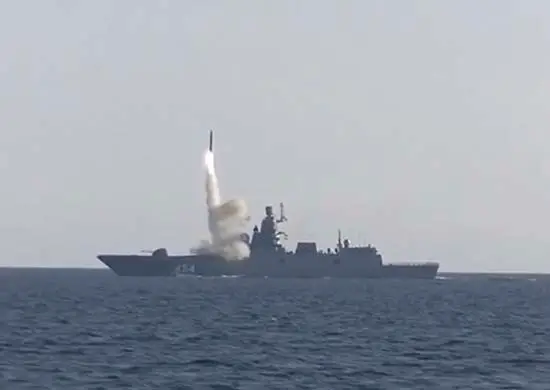
Anatomy of the 3M22 Zircon
Debris recovered from the 65+ Zircon missiles fired into Ukraine since February 2024 paints a vastly different picture of the platform’s engineering. Ukrainian Main Intelligence Directorate (GUR) analysis confirms the missile measures 26 feet in length with a 2.2-foot diameter, propelled initially by a standard surface-launched booster.
Once the booster separates, propulsion is maintained by an NPO Iskra 3L2211 solid-fueled rocket engine. Forensic analysis by independent researchers notes a complete absence of air intakes, confirming it is physically impossible for the weapon to operate as an air-breathing scramjet. Instead, it achieves hypersonic velocities through a high-altitude ballistic arc, peaking at 132,000 feet (17.4 miles) before initiating a depressed, quasi-ballistic descent.
Supply Chains and Interception
The Zircon’s warhead—the 3G22—weighs only 265 lbs, delivering less than half the kinetic yield originally advertised by Russian officials. Despite its reduced explosive capacity, the missile’s reliance on Western commercial-off-the-shelf (COTS) technology is a glaring structural vulnerability. The GUR isolated advanced logic gates and amplifiers traced back to American firms, highlighting Russia’s continued dependence on sanctions-evading gray-market logistics.
The Collapse of the Wonder-Weapon Myth
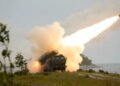
The confirmed interception of the Zircon by legacy MIM-104 Patriot batteries shatters the myth of Russian hypersonic invulnerability. While a Mach 6.8 quasi-ballistic missile fired from a 3S14 vertical launch system still poses a severe threat to under-defended targets, it does not represent a paradigm-shifting leap in military aerospace. The exposure of the Zircon as a rebranded Cold War-era rocket concept significantly degrades Russia’s defense export credibility.
3M22 Zircon: Claimed Specifications vs. Forensic Reality
| Metric / Specification | Russian MoD Claim (Maskirovka) | Actual GUR Debris Analysis | Tactical Implication |
| Classification | Scramjet Hypersonic Cruise Missile | Solid-Fueled Quasi-Ballistic Missile | Follows predictable descent arcs, highly vulnerable to modern ABM systems. |
| Propulsion System | Exotic Air-Breathing Scramjet | 3L2211 Solid-Fuel Rocket (NPO Iskra) | Lacks sustained low-altitude maneuverability characteristic of true cruise missiles. |
| Max Velocity | Mach 10+ (Sustained) | Mach 9 (Peak) / Mach 6.8 (Sustained) | Speed achieved via high-altitude gravity assist, not advanced propulsion. |
| Payload Capacity | 660 – 880 lbs (300 – 400 kg) | 265 lbs (120 kg) 3G22 Warhead | Severely limits structural damage against hardened military targets. |
| Interception Risk | “Immune to all modern air defenses” | Frequently intercepted by PAC-3 MSE | Fails to provide guaranteed strategic penetration against NATO-tier IADS. |
| Supply Chain | 100% Domestic Russian Tech | Relies on 70+ foreign components | Susceptible to tightened Western export controls and microchip sanctions. |
FINAL ASSESSMENT
The 3M22 Zircon is a tactical threat masquerading as a strategic wonder-weapon. Stripped of its state-sponsored disinformation, the Zircon is a quasi-ballistic platform that trades heavy payload capacity for high-altitude velocity. While its Mach 9 descent profile compresses the kill-chain timeline for defending forces, its reliance on a predictable ballistic arc allows U.S.-supplied PAC-3 MSE interceptors to reliably neutralize it. For defense planners, the Zircon represents a known, calculable kinetic threat rather than an indefensible technological breakthrough, while its heavy reliance on Western microelectronics exposes a critical vulnerability in Russia’s domestic defense industrial base.