Key Intelligence:
- Boeing’s Retracted Claim: The F-15EX was briefly touted as capable of Mach 2.9, facilitated by its GE F110-129 engines and an emergency cockpit V-Max switch that boosts afterburner fuel flow to 104% for six minutes.
- The Thermal Wall: The SR-71 was never power-limited; its official Mach 3.3 flight manual limit was strictly dictated by the structural and thermal thresholds of its J58 Turbo-Ramjet engines and titanium fuselage.
- The True Peak: Multiple pilot accounts and flight logs indicate the SR-71 and A-12 routinely exceeded official limits, with the A-12 achieving a verified Mach 3.56 during a test dive.
- Unit Economics: Adjusted for inflation, each SR-71 cost approximately $334 million on the runway, a primary reason pilots rarely risked pushing the airframe past its Mach 3.24 structural “sweet spot.”
The F-15EX Eagle II and the Mach 2.9 Controversy
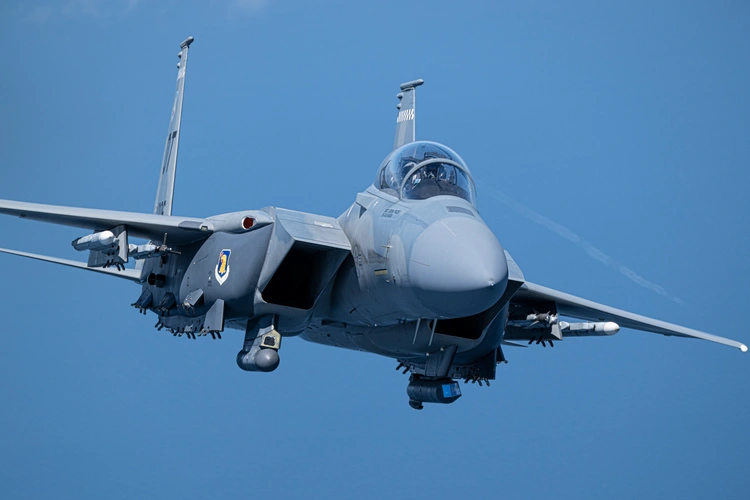
Boeing’s recent assertion that the F-15EX Eagle II could hit Mach 2.9 raised eyebrows across the defense sector before the claim was quickly walked back. The F-15EX is powered by two GE F110-129 turbofan engines, which generate 11,500 lbs more thrust than the legacy F-15C’s Pratt & Whitney powerplants.
This immense thrust is paired with a V-Max switch—an emergency override located in the cockpit that acts similarly to a nitrous oxide injection. Engaging the V-Max pushes fuel flow into the afterburners to 104% capacity for a maximum of six minutes, enabling a rapid supersonic sprint. Even if capable of Mach 2.9, this extreme speed offers negligible combat utility as it virtually guarantees fuel depletion within minutes.
The SR-71 Blackbird: Thermal Limits vs. True Power
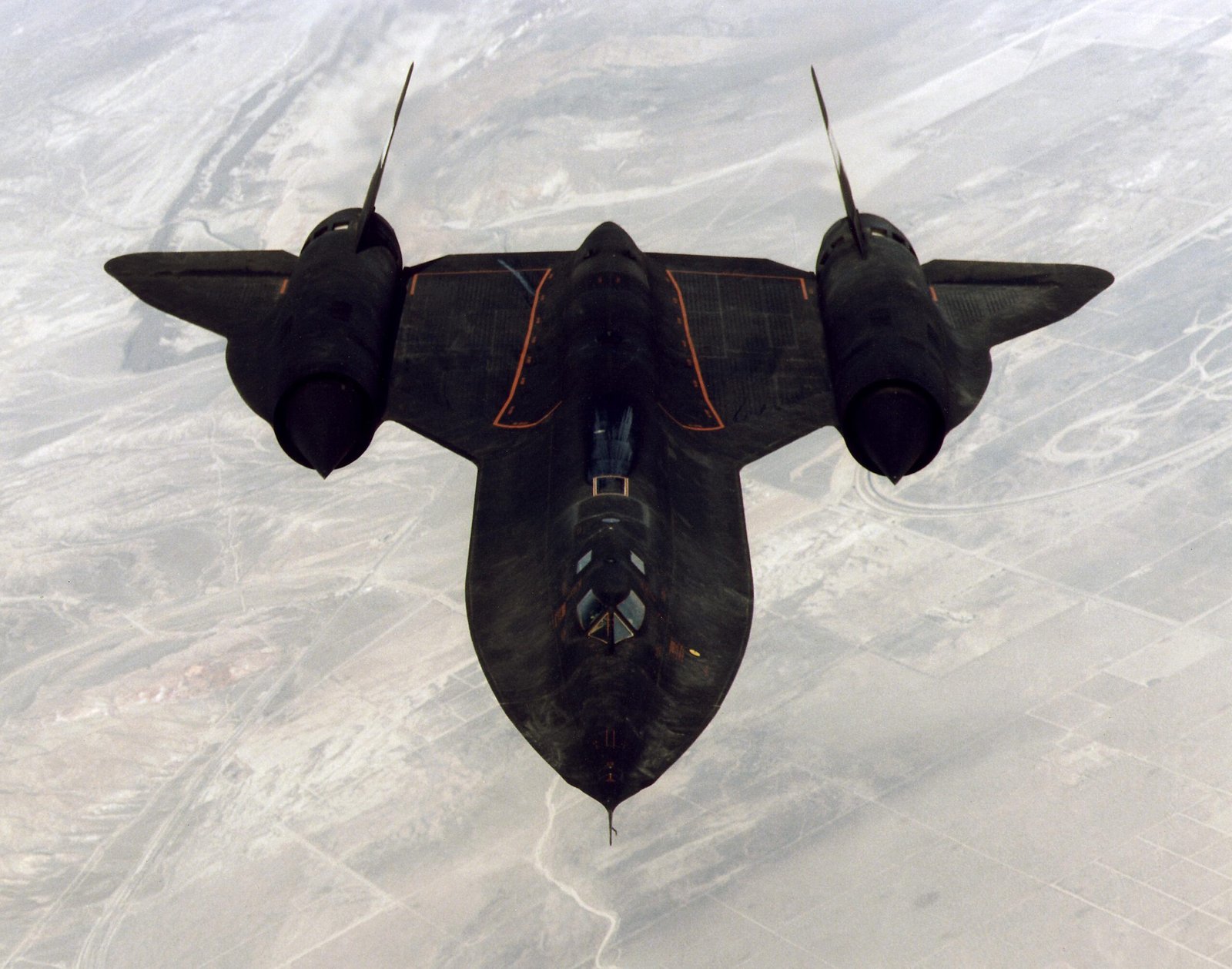
The SR-71 Blackbird holds the official title for the fastest reusable manned jet, with a recorded top speed of Mach 3.32 set in 1976. According to flight manuals, pilots were restricted to Mach 3.3, but critically, the airframe was never limited by engine power. The absolute limit was dictated by the thermal limits of the compressor inlet on the J58 turbo-ramjet engines.
Former Skunk Works director Ben Rich noted the aircraft was designed for a cruising “sweet spot” of Mach 3.24. Pilots confirm the throttle had plenty of room left at these speeds. Pushing further risked the catastrophic failure of an asset that cost $334 million per unit to put on the runway.
Operational Breaches of the Mach 3.2 Limit
Despite strict operational guidelines, extreme tactical scenarios forced pilots past the redline. During Operation El Dorado Canyon in 1986, pilot Brian Shul reportedly pushed his SR-71 to Mach 3.5 to outrun a volley of Libyan surface-to-air missiles. This represents a staggering 230 mph increase over the official top speed.
During standard operations, pilot Brad “BC” Thomas noted that the typical maximum seen was Mach 3.33 (roughly 100 mph over the stated limit). Another documented test flight by Master Sergeant Jim Goodall logged Blackbird tail 974 hitting Mach 3.43, proving the airframe routinely operated well above its disclosed envelope.
The Lockheed A-12: The Lighter, Faster Predecessor
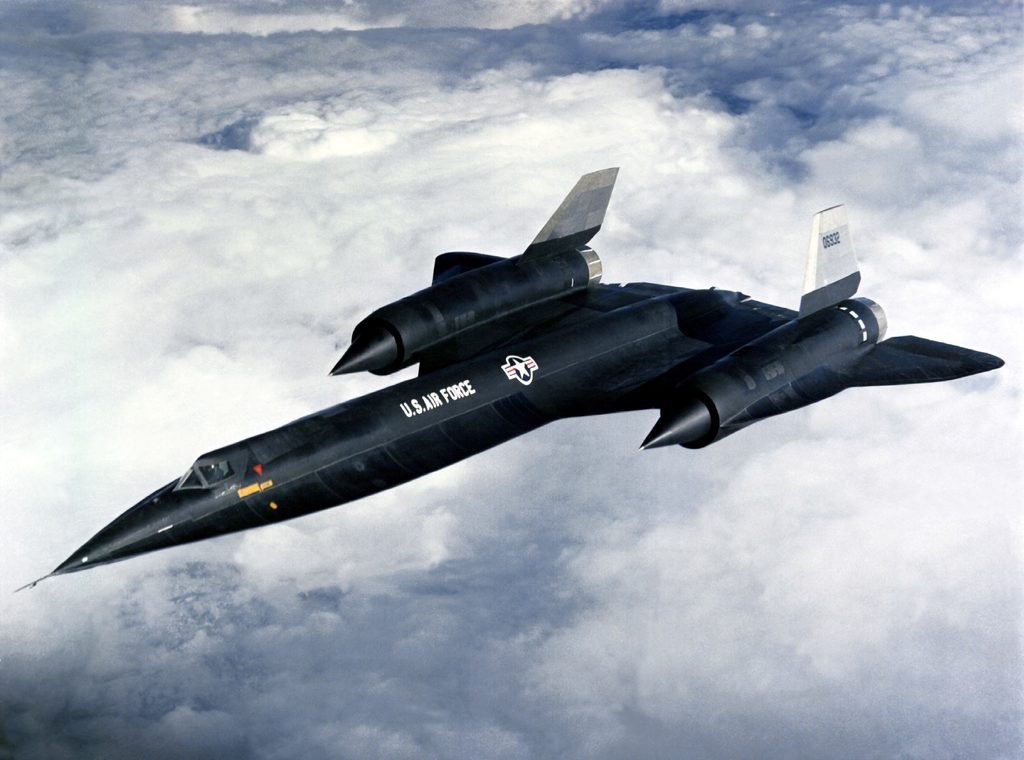
The true king of the Archangel program is arguably the Lockheed A-12, a single-seat spy plane that was nearly 13,000 lbs lighter than the SR-71. The A-12 set its own official speed record of Mach 3.29 in 1965, but its unofficial, undocumented envelope was much higher.
During an envelope expansion test, pilot Jim Eastom struggled with warm, low-density air stalling performance at Mach 2.7. After pushing the A-12 into a shallow dive, the engines ingested a pocket of cold, dense air. The aircraft violently accelerated to Mach 3.56 for 15 seconds—more than 275 mph faster than the SR-71’s stated top speed.
| Platform | Official Record / Stated Speed | Unofficial / Logged Peak | Engine Platform | Critical Limiting Factor |
| F-15EX Eagle II | Mach 2.5 (Stated) | Mach 2.9 (Claimed/Retracted) | 2x GE F110-129 Turbofans | Fuel consumption / Airframe Drag |
| SR-71 Blackbird | Mach 3.32 (Set in 1976) | Mach 3.50 (Libya evasion, 1986) | 2x P&W J58 Turbo-ramjets | Thermal & Structural Integrity |
| Lockheed A-12 | Mach 3.29 (Set in 1965) | Mach 3.56 (Eastom test dive) | 2x P&W J58 Turbo-ramjets | Thermal thresholds in compressor |
The U.S. military’s practice of underreporting maximum tactical capabilities remains a standard operating procedure. Boeing’s quickly retracted Mach 2.9 claim for the F-15EX reflects a modern extension of the secrecy pioneered by Skunk Works decades prior. While the F-15EX relies on temporary, fuel-guzzling raw thrust via its emergency V-Max switch, the A-12 and SR-71 achieved sustained Mach 3+ dominance through unmatched thermodynamic engineering. Ultimately, raw linear speed is a diminishing asset in the modern era of hypersonic interceptors, but keeping adversaries guessing about a platform’s true escape velocity remains a vital force multiplier.