KEY INTELLIGENCE
- Information Warfare vs. Reality: Iranian state media falsely claimed the destruction of U.S. and allied infrastructure in the UAE and Kuwait. ISR (Intelligence, Surveillance, and Reconnaissance) confirms zero U.S. casualties or base damage.
- The Hormuz Blockade: A U.S. naval escort operation successfully pushed 40 commercial vessels carrying 18 million barrels of oil through the Strait of Hormuz in a single day. Conversely, the U.S. blockade ensured Iran exported zero barrels in the same timeframe.
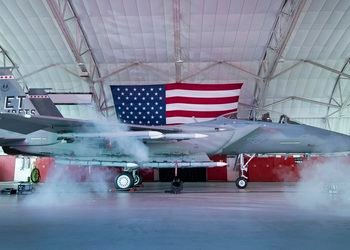
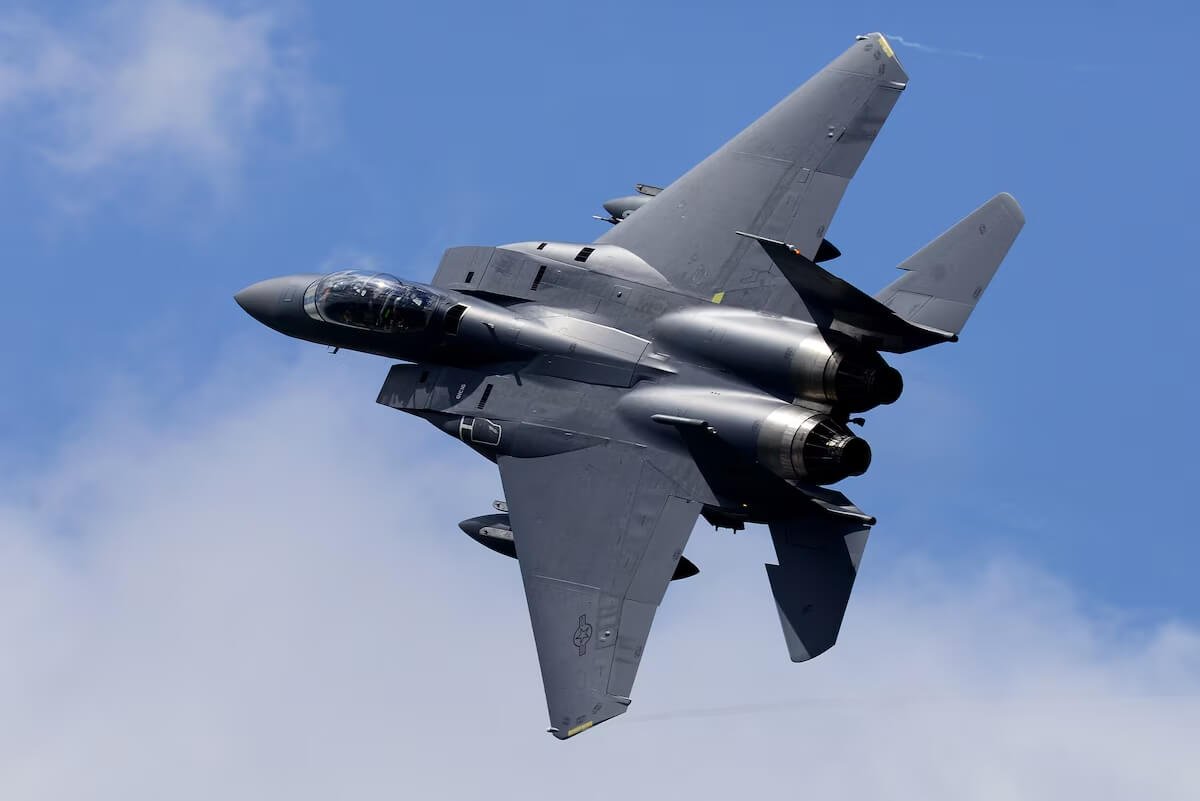
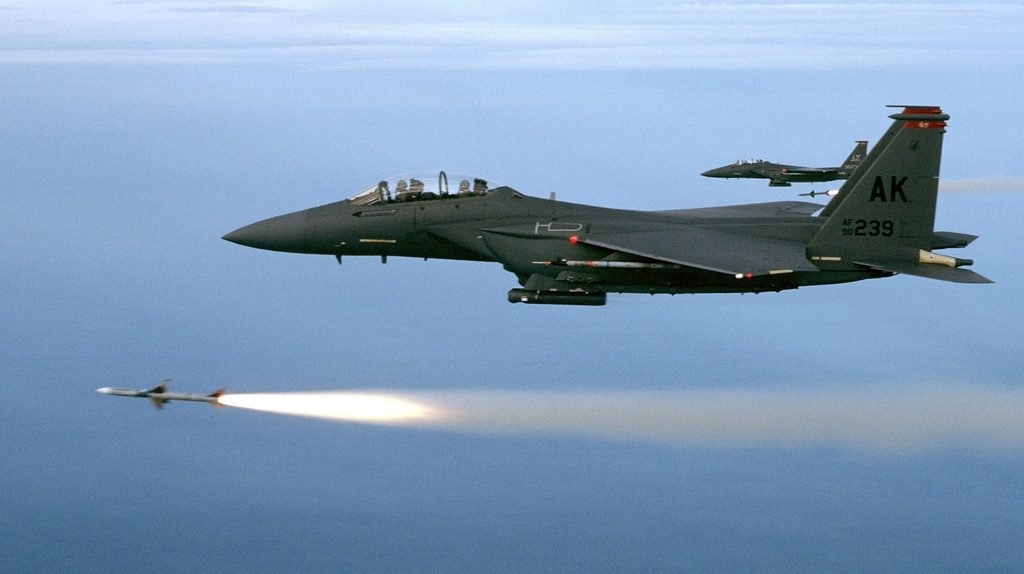
- Deep-Penetration Strikes: U.S. strike packages utilized EA-18G Growlers to jam Iranian early warning systems, clearing the airspace for F-15E Strike Eagles armed with 5,000-lb bunker busters. These delayed-fuse munitions successfully destroyed subterranean IRGC fast-attack boat pens and Shahed drone caves.
- Internal Iranian Friction: U.S. intelligence estimates that up to 65,000 Iranian protesters have been killed by the regime. Analysts are pushing for the U.S. to authorize covert operations, communications support, and weapons transfers to empower the domestic uprising.
- Auxiliary Defense Tech: Joby Aviation successfully demonstrated its autonomous flight software integrated into a Cessna 208B Grand Caravan. The technology enables pilotless taxiing, takeoff, and landing, validating critical capabilities for future unmanned contested logistics and MEDEVAC operations in high-threat theaters.
Electronic Attack and Subterranean Demolition
The tactical execution of the U.S. strikes along the Strait of Hormuz relied on overwhelming electronic suppression followed by extreme kinetic force. Over the past month, the IRGC attempted to rebuild a shattered anti-access/area denial (A2/AD) network, importing new radar arrays and constructing an experimental launcher system designed to deploy sea mines via unguided rockets.
The U.S. response package was designed to blind and bury these assets. EA-18G Growlers initiated the operation, flooding Iranian airspace with intense electronic warfare (EW) jamming to neutralize coastal early-warning radars and surface-to-air missile tracking systems. Operating completely undetected by the jammed Iranian sensors, F-15E Strike Eagles moved in.
Because the IRGC habitually buries its most valuable assets—including fast-attack craft and Shahed drone staging areas—the Strike Eagles deployed heavily modified 5,000-lb “bunker buster” munitions (such as the GBU-28/GBU-72 family). Utilizing programmable delayed fuses, these weapons penetrated deep into earth, rock, and reinforced concrete before detonating, collapsing the subterranean caverns and completely erasing Iran’s newly established coastal threat architecture.
Total Blockade and Economic Attrition
While the kinetic strikes dismantled Iran’s military capability, the U.S. Navy executed a parallel operation to crush the regime economically. In a massive show of force, U.S. naval assets escorted 40 commercial tankers through the Strait of Hormuz in a single 24-hour period, securing the transit of 18 million barrels of oil to global markets. Simultaneously, a strict naval blockade choked Iranian maritime logistics, resulting in zero Iranian oil exports for the day.
Despite the tactical success, the prolonged conflict is generating domestic economic friction in the United States. Sustained geopolitical instability in the Middle East has driven gas prices up past $4.00 a gallon, costing the average American an estimated $50 to $100 extra per month. Furthermore, uncertainty in the bond markets has caused the 10-year Treasury yield to spike, pushing domestic mortgage rates dangerously close to 7%. The administration views this economic friction as a necessary cost to prevent the IRGC from achieving a nuclear breakout, especially following the partial destruction of Iran’s nuclear infrastructure during the 2025 “Operation Midnight Hammer.”
DOD Policy Shifts and Autonomous Logistics
Domestically, the Department of Defense is undergoing rapid internal and technological shifts. Defense Secretary Pete Hegseth recently initiated a controversial overhaul of military readiness standards, momentarily publishing—then quickly rescinding for “updates”—guidelines mandating testosterone screenings for U.S. combat troops to optimize the “warrior ethos.”
Simultaneously, the U.S. Air Force is actively validating next-generation autonomous logistics. Working alongside AFWERX, Joby Aviation successfully integrated its autonomous flight software into a standard Cessna 208B Grand Caravan. The aircraft demonstrated the ability to taxi, take off, navigate, and land completely uncrewed. This capability is critical for the future of contested logistics, allowing the military to resupply frontline bases or conduct high-risk MEDEVAC operations without risking the lives of human pilots in heavily defended airspace.
US Strike Capabilities vs. IRGC Infrastructure
| U.S. Asset / Munition | Tactical Role | Target Set | Strategic Outcome |
| EA-18G Growler | Electronic Attack / Jamming | IRGC Early Warning Radars, SAM Tracking | Blinded the Iranian coast, ensuring zero U.S. aircraft losses. |
| F-15E Strike Eagle | Heavy Strike Platform | Fortified bunkers, coastal installations | Delivered deep-penetration munitions with pinpoint accuracy. |
| 5,000-lb Bunker Buster | Deep Earth Penetration | Shahed drone caves, Fast-Attack pens | Detonated underground, collapsing tunnels and destroying hidden assets. |
| Naval Escort Fleet | Maritime Security / Blockade | Strait of Hormuz shipping lanes | Secured 18M barrels of allied oil; reduced Iranian oil exports to zero. |
| Joby Autonomous Cessna | Contested Logistics | High-threat resupply & MEDEVAC | Validated pilotless cargo delivery for future high-risk theater operations. |
TACTICAL VERDICT
ASYMMETRIC CONTAINMENT. The ongoing U.S. operational framework against Iran represents a highly effective, low-risk containment strategy. By relying on EW-shielded standoff strikes and deep-penetration munitions, the U.S. military is systematically degrading the IRGC’s ability to project power into the Strait of Hormuz without committing vulnerable ground forces. While critics argue over whether the conflict meets the legal definition of a “war” or merely a “kinetic flare-up,” the reality on the ground is decisive: the U.S. maintains total control over maritime traffic. However, the true test of this strategy will be its political sustainability. As domestic economic pressures (rising gas prices and mortgage rates) mount, the administration must balance the financial cost of a prolonged blockade against the existential imperative of permanently denying the IRGC a nuclear deterrent.