BOTTON LINE UP FRONT
- Fiscal Milestone: 2027 defense expenditures are projected to break NT$1 trillion ($35 billion USD), targeting 5% of GDP by 2030.
- Asymmetric Arsenal: Procurement focus shifting to 200,000+ unmanned aerial, surface, and underwater systems.
- Legislative Friction: Opposition lawmakers cut a massive $40 billion special budget, forcing a compromised $7.5 billion drone acquisition plan into the general budget.
- Industrial Surge: Domestic drone exports skyrocketed from 3,472 units in 2024 to 191,373 in H1 2026.
The Asymmetric Pivot: Porcupine to Hellscape
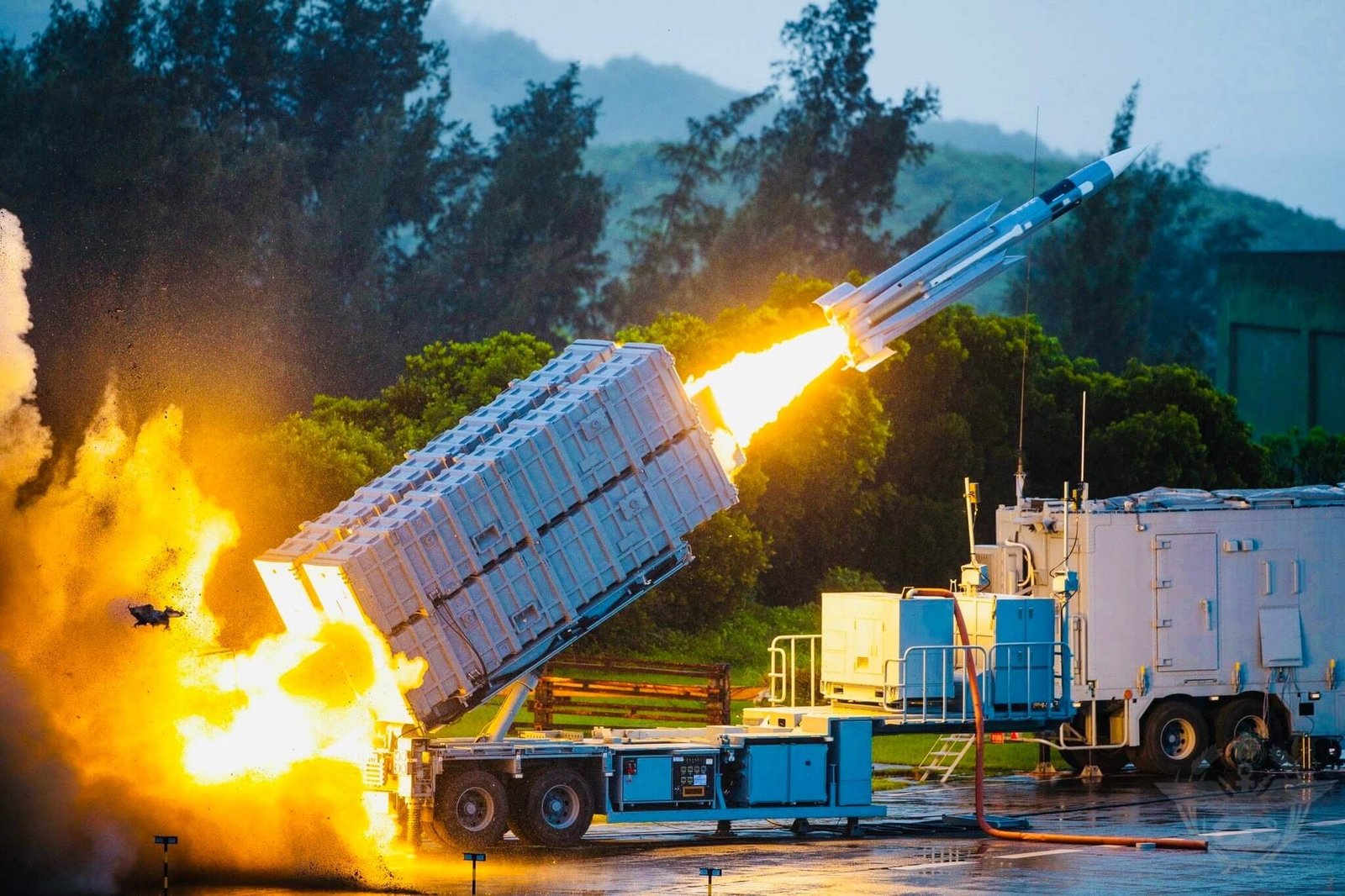
For decades, Taiwan sought to match the People’s Liberation Army (PLA) symmetrically. That strategy is dead. Recognizing China’s overwhelming economic and industrial overmatch, Taipei has fully embraced the “Porcupine Strategy.” The objective is deterrence by denial—making an amphibious invasion prohibitively costly using mobile, survivable, and highly lethal systems.

This framework has evolved into the “Hellscape Strategy,” a concept articulated by US Admiral Samuel Paparo in 2024. The operational design calls for flooding the Taiwan Strait with thousands of low-cost, expendable aerial, sea-surface, and underwater drones. By leveraging autonomous swarms, Taiwan aims to bog down a PLA invasion fleet long enough for allied forces to mobilize.
The $35 Billion Question: Budgeting for Deterrence
President Lai is pushing aggressively to expand Taiwan’s military footprint, proposing to raise overall defense spending to 5% of the island’s GDP by 2030. The proposed 2026 state budget allocates $31 billion USD for defense operations, explicitly earmarking nearly $2 billion for domestic drone development.
Funding this architecture requires bypassing traditional budgetary constraints. The executive branch historically utilizes multi-year “special budgets” for major weapons acquisitions. The administration initially proposed a massive $40 billion special budget over eight years, but opposition lawmakers slashed it by more than a third, stripping out funds for domestic drone manufacturing.
The government countered with a $6.6 billion, six-year special budget for 200,000+ new uncrewed vehicles. Ultimately, the opposition-led legislature approved a $7.5 billion framework, but mandated it be drawn from the general budget instead. This exposes the acquisition pipeline to annual caps, inter-service competition, and prolonged parliamentary delays.
The Domestic Drone Boom
Despite political friction, Taiwan’s domestic defense-industrial base is scaling rapidly. Driven almost entirely by global demand sparked by conflicts in Ukraine and the Middle East, Taiwan’s drone exports surged from a mere 3,472 units in 2024 to 191,373 units in the first half of 2026 alone.
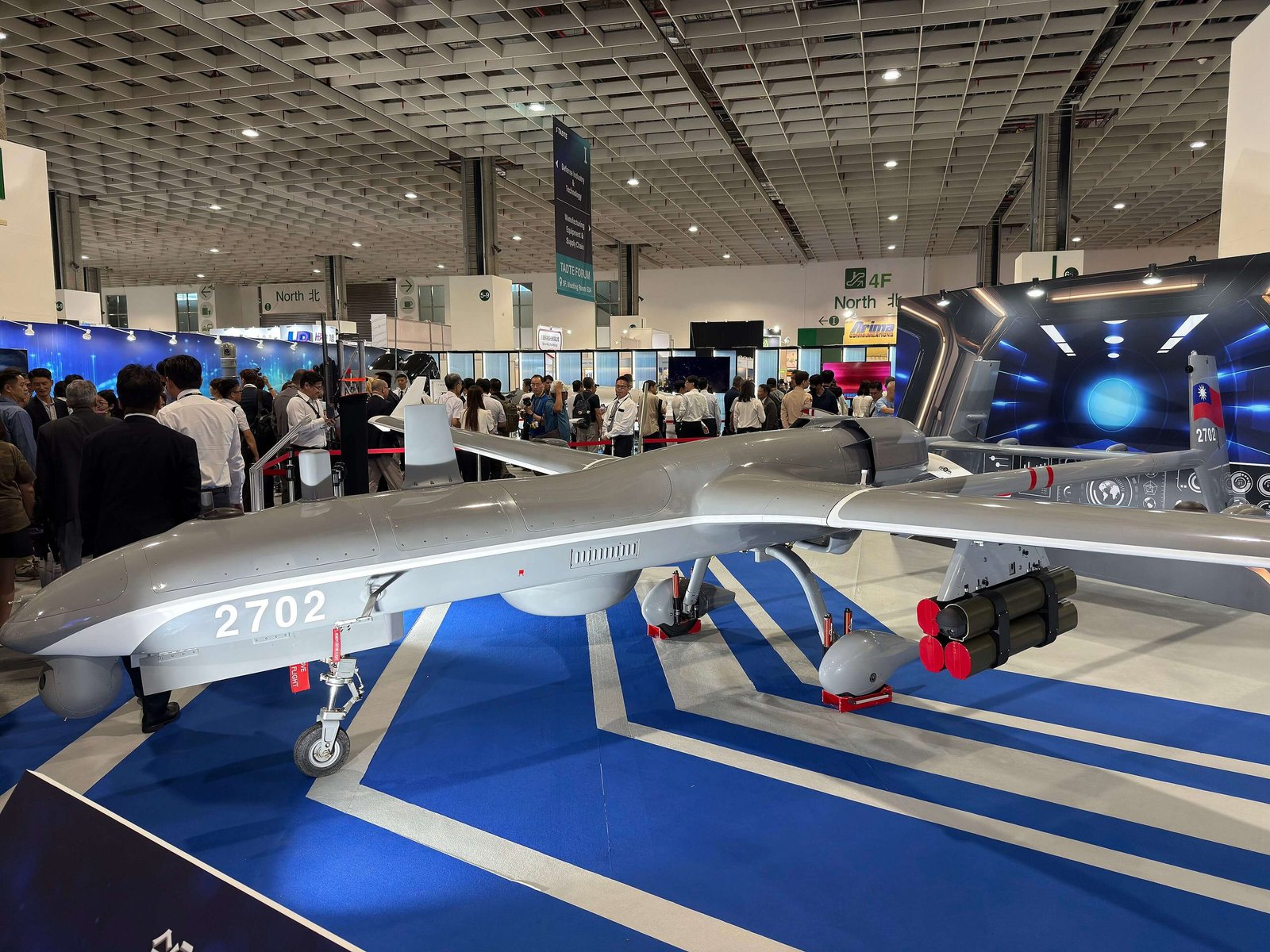
Scaling indigenous manufacturing is critical to reducing reliance on US weapons systems and insulating Taiwan from potential blockades. While foreign sales have established active production lines, the defense ministry’s massive procurement goals are intended to provide stable, long-term domestic demand. Whether the convoluted legislative funding mechanism undermines this stability remains a critical vulnerability.
Gridlock, Manpower, and Civil Defense Gaps
Procuring hardware is only one component of Taiwan’s deterrence calculus. Operationalizing these systems requires a resilient society and adequate manpower, both of which face severe structural challenges. The recent Han Kuang military exercises tested whole-of-society defense mechanisms, incorporating critical infrastructure operators and simulating wartime internet blackouts.
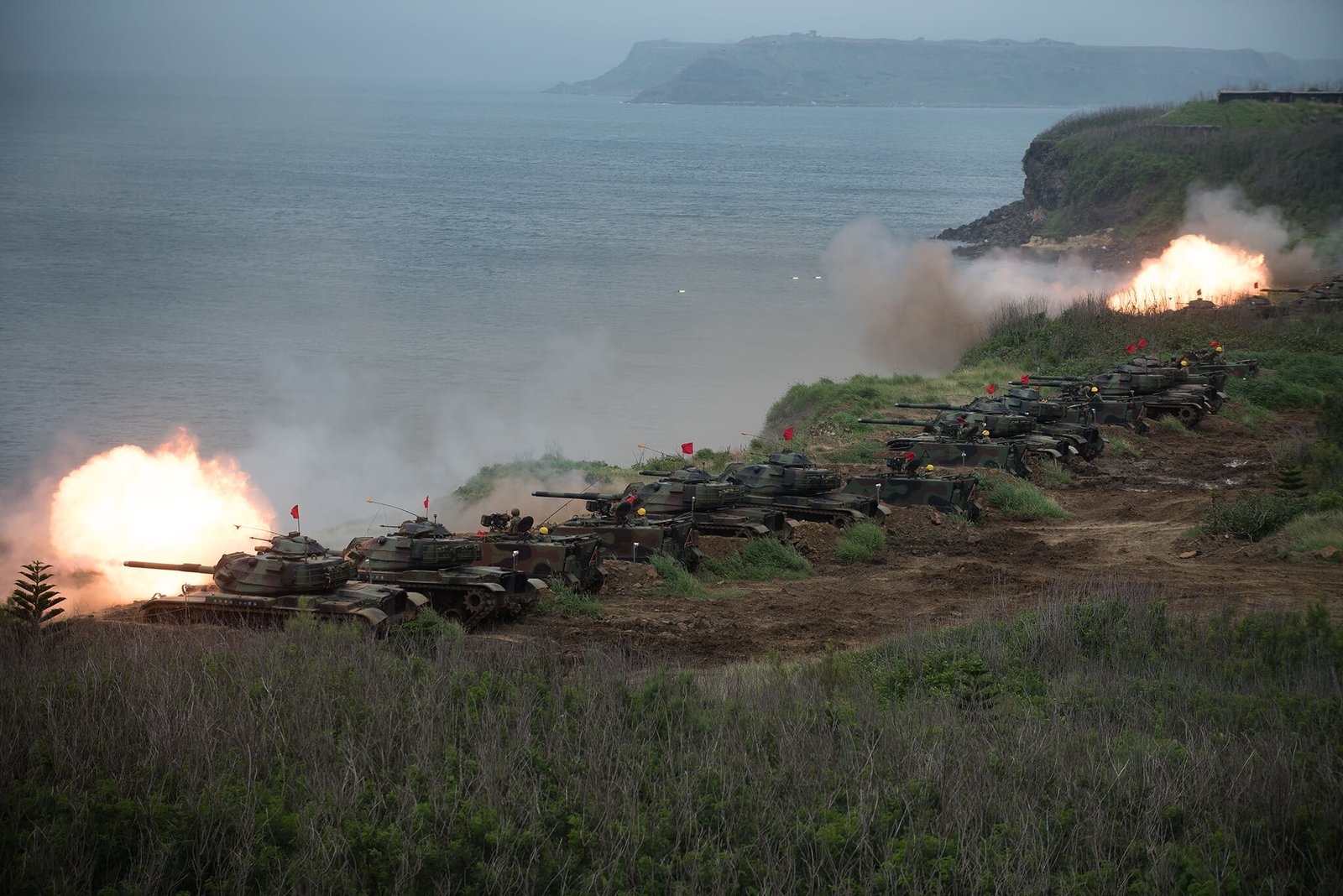
Despite these drills, military analysts assess that Taiwan’s civil defense network remains psychologically and practically underprepared. Furthermore, the armed forces are grappling with a severe manpower and morale crisis. While mandatory conscription terms have been extended, the seamless integration of conscripts into highly technical, drone-centric formations remains an ongoing strategic hurdle.
Taiwan’s Defense Posture
| Strategic Metric | Current Status / Target |
| 2027 Proposed Defense Budget | > NT$1 Trillion (~$35 Billion USD) |
| Long-Term Spending Target | 5% of GDP by 2030 |
| Drone Procurement Goal | 200,000+ uncrewed systems |
| DPP Proposed Drone Budget | $6.6 Billion (Over 6 years, Special Budget) |
| KMT Approved Drone Budget | $7.5 Billion (Over 6 years, General Budget) |
| Drone Export Volume | 3,472 (2024) ➔ 191,373 (H1 2026) |
Taiwan possesses the technological base and the strategic blueprint necessary to implement a formidable asymmetric defense. The transition to the drone-heavy Hellscape strategy correctly identifies the PLA’s vulnerabilities. However, Taipei’s greatest threat may not be Chinese shipbuilding, but its own domestic gridlock. For deterrence to hold, the government must streamline its defense acquisition process, stabilize long-term funding for its domestic industrial base, and aggressively resolve its critical manpower shortages. A strategy on paper, no matter how lethal, cannot deter a physical invasion.