Key Intelligence
- Strategic Reality: To prevent the target from escaping, the U.S. opted for an unannounced, unilateral raid deep inside sovereign Pakistani territory. The mission was technically classified as a CIA operation (Title 50) rather than a military act of war, with SEAL Team 6 operating under agency control.
- Execution: 79 commandos and a combat dog (Cairo) were involved, though a core team of roughly two dozen SEALs conducted the actual breach. The entire raid took less than 40 minutes from insertion to exfiltration.
- Adaptability under Fire: Despite the catastrophic crash of a highly classified stealth Black Hawk helicopter during insertion, the SEAL team flawlessly pivoted, breached the compound, neutralized the target, and gathered massive amounts of intelligence without suffering a single American casualty.
- The Aftermath: Bin Laden was buried at sea to prevent the creation of a physical shrine, concluding a ten-year manhunt and severely fracturing Al Qaeda’s central command structure.
The Abbottabad Enigma: Finding a Ghost
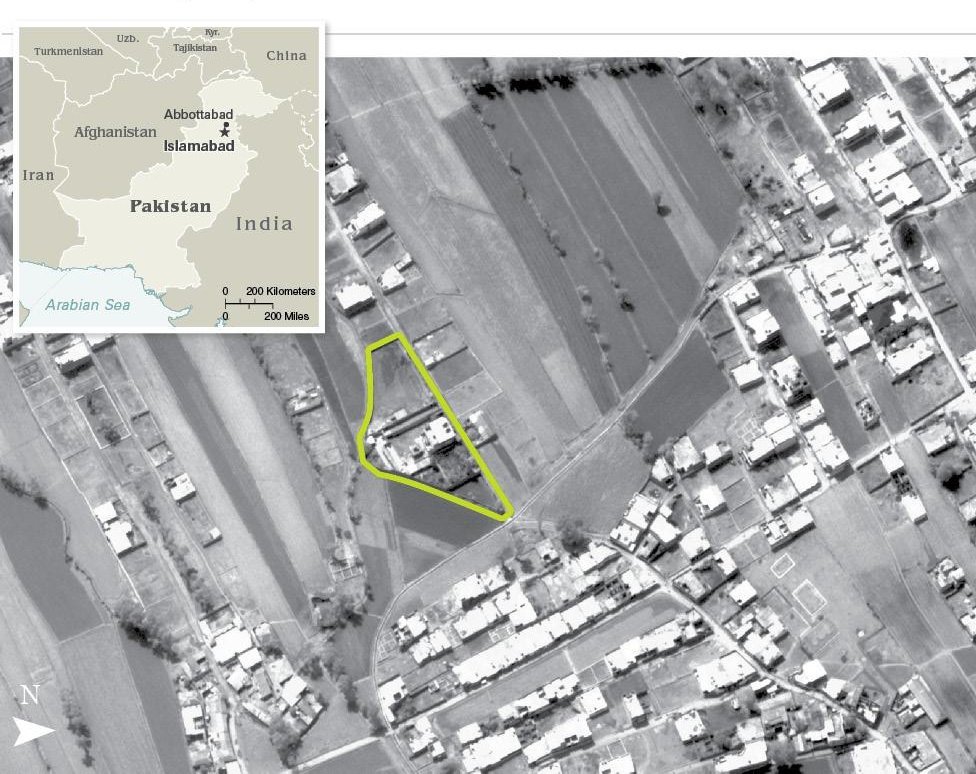
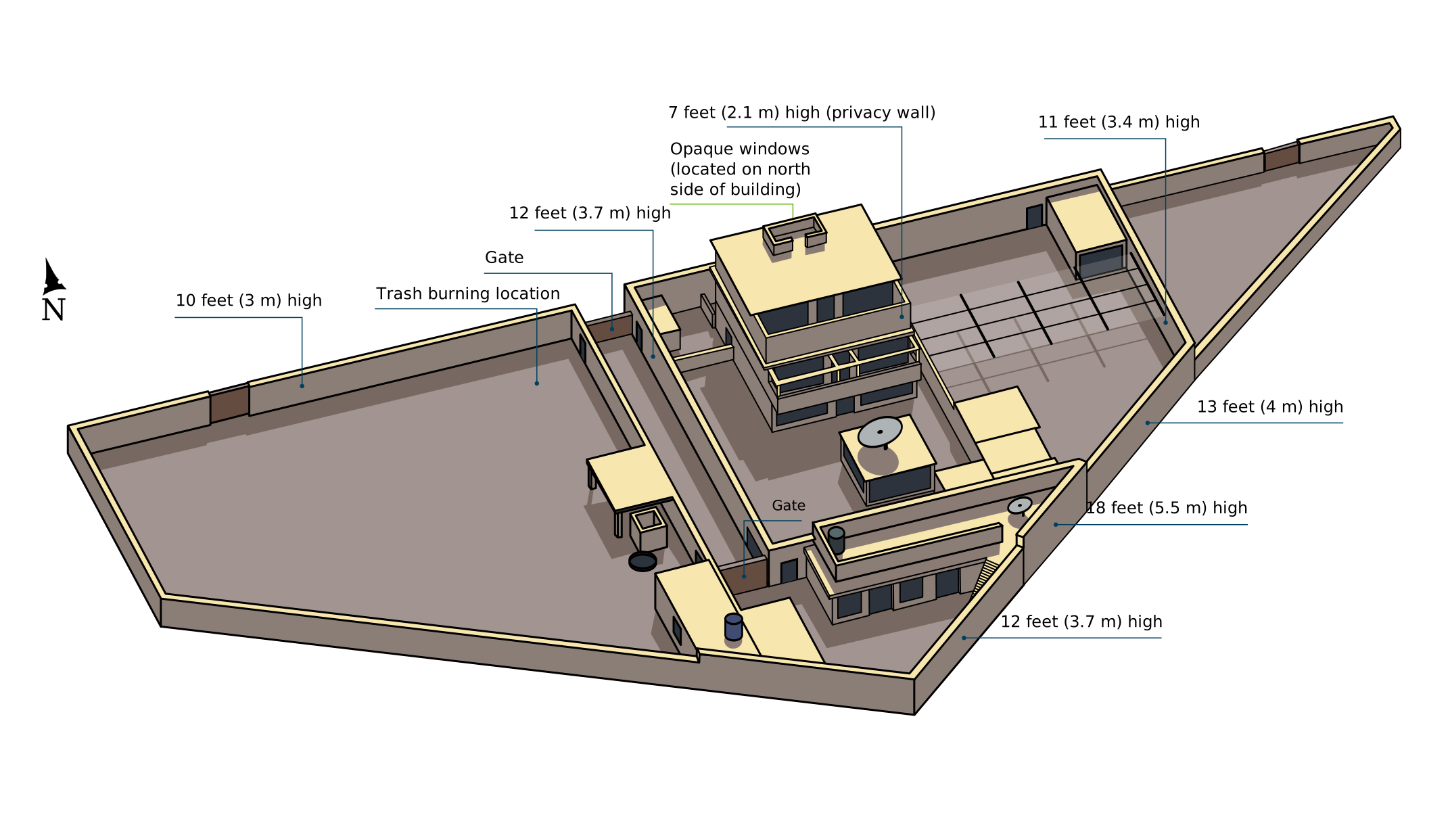
By 2010, U.S. intelligence had tracked Bin Laden’s most trusted courier, Abu Ahmed al-Kuwaiti, to a custom-built, three-story compound in Abbottabad, an affluent city that famously housed the Pakistan Military Academy.
The building lacked phone or internet lines and burned its own trash, projecting intense operational security. However, despite months of surveillance, the CIA could never secure visual confirmation of Bin Laden—only circumstantial evidence of a tall man who walked the courtyard but never left the premises.
President Obama was presented with several tactical options. A joint operation with Pakistani forces risked tipping off the target. A stealth bomber strike could atomize the compound, but left no way to confirm the kill. Ultimately, the President authorized a direct-action raid by the Naval Special Warfare Development Group (DEVGRU), commonly known as SEAL Team 6.
Insertion: The Vortex Ring State
The operation hinged on absolute surprise. Flying from Jalalabad, Afghanistan, the SEALs utilized highly modified MH-60 Black Hawk helicopters outfitted with classified radar-evading angles and noise-reduction technology.
Flying low to evade Pakistani air defense networks, the helicopters approached the compound at roughly 3:30 AM local time. The plan called for one helicopter to fast-rope SEALs directly over the roof while the other dropped a security perimeter outside. However, as the first helicopter hovered over the high walls, it encountered a “vortex ring state.” The unusually high ambient temperature combined with the compound’s high walls caused the rotor’s downwash to recirculate, stripping the helicopter of its lift.
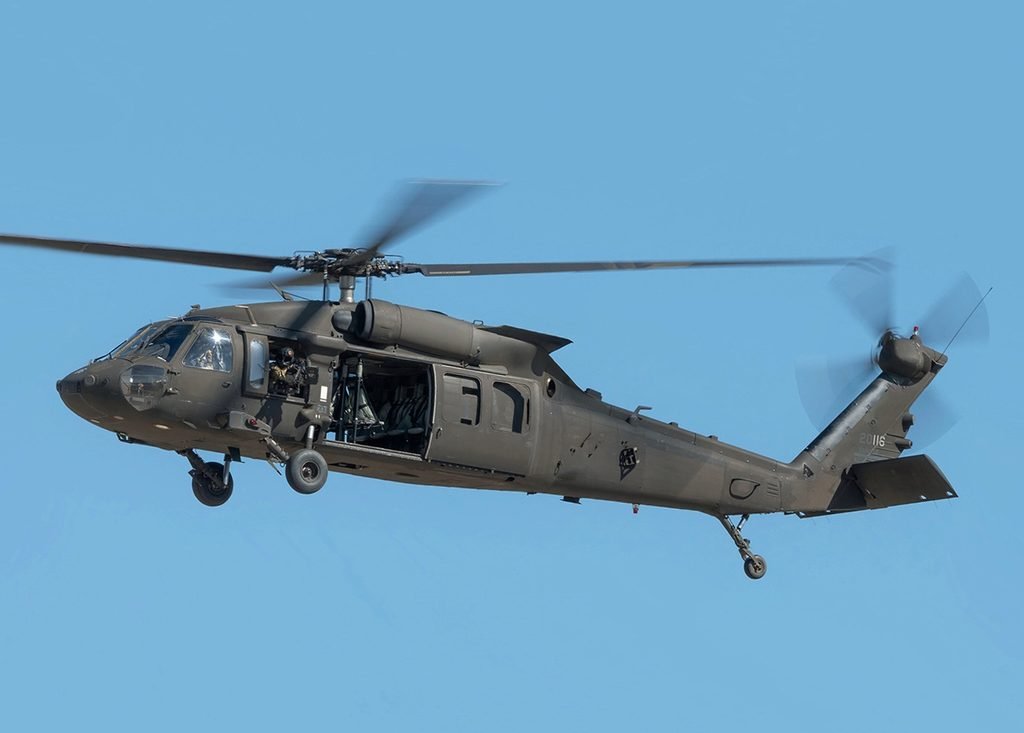
The tail rotor clipped the compound wall, and the helicopter began to roll. Through rapid maneuvering, the pilot drove the nose into the dirt, preventing a fatal crash. The SEALs emerged unscathed, pivoted their tactical plan, and began the breach.
The 40-Minute Window
From the moment boots hit the ground, the SEALs were racing the clock before the Pakistani military could respond.
The Breach
3:33 AM
Using portable explosive charges, the SEALs blow through the heavy doors of the compound’s guest house and main perimeter. They enter the first floor, detaining two adult males who are quickly cleared as non-targets. The team notes the heavy presence of women and children, raising the stakes for collateral damage.
The Second Floor
3:35 AM
Ascending the staircase, the SEALs encounter Bin Laden’s courier, Abu Ahmed al-Kuwaiti. After a brief engagement, the courier is eliminated.
The Stairwell
3:37 AM
As the team presses higher, resistance stiffens. The SEALs encounter and fatally shoot a man later identified as one of Bin Laden’s adult sons, clearing the path to the final floor.
Target Neutralized
3:39 AM
Breaching the third floor, the SEALs spot Bin Laden retreating into a bedroom. The operators pursue. While accounts differ on the exact sequence of events inside the room, Bin Laden is fatally shot in the chest and forehead. The SEALs radio “For God and country – Geronimo, Geronimo, Geronimo,” signaling the target is dead.
Exploitation and Restraint
3:55 AM
The compound shifts from a combat zone to a crime scene. Operators secure Bin Laden’s body and two unloaded weapons (an assault rifle and pistol) found nearby. Surviving women and children, including Bin Laden’s injured wife Amal Ahmed Abdul Fatah, are zip-tied and moved outside for the Pakistani military to find. Tech experts bag hard drives, ledgers, and digital media.
Exfiltration Begins
4:05 AM
Bin Laden’s body and the recovered intelligence are loaded into the surviving Black Hawk, which takes off low and fast to avoid detection.
Destroying the Evidence
4:08 AM
To prevent the highly classified stealth modifications of the downed helicopter from falling into the hands of the Pakistani military or foreign intelligence services, the SEALs rig the crashed Black Hawk with thermite and explosives, detonating it just before boarding a backup CH-47 Chinook.
Return to Base
5:53 AM
The extraction helicopters cross safely back into U.S.-occupied Afghanistan, landing at Bagram Airfield. DNA and facial recognition testing soon confirm the target’s identity.
Exfiltration and Burial at Sea
Hours after the SEALs returned to Afghanistan, President Obama addressed the nation at 11:35 PM EST, announcing the successful operation. But one final tactical problem remained: the disposal of the body.
International law and U.S. policy dictated that the body be handled with respect to Islamic tradition, which requires burial within 24 hours. However, no country—including Bin Laden’s native Saudi Arabia—would accept the remains, and burying him on land would inevitably create a terrorist shrine.
The U.S. opted for a burial at sea. Bin Laden’s body was flown to the aircraft carrier USS Carl Vinson in the North Arabian Sea. After being washed, wrapped in a white shroud, and read traditional Arabic religious rites, the body was weighted with iron chains and slipped into the ocean.
TACTICAL VERDICT Operation Neptune Spear stands as a masterclass in Joint Special Operations Command (JSOC) capabilities. The ability to covertly insert into a sovereign, nuclear-armed nation, survive a catastrophic mechanical failure upon landing, execute a zero-fail mission in a complex environment filled with non-combatants, and extract without a single friendly casualty is unparalleled. However, the political fallout was immense. The raid deeply fractured U.S.-Pakistan relations, highlighting a massive breach of trust on both sides: Pakistan’s failure (or refusal) to identify the world’s most wanted man living next to their military academy, and America’s willingness to violate Pakistani airspace to finish the job.