Bottom Line Up Front
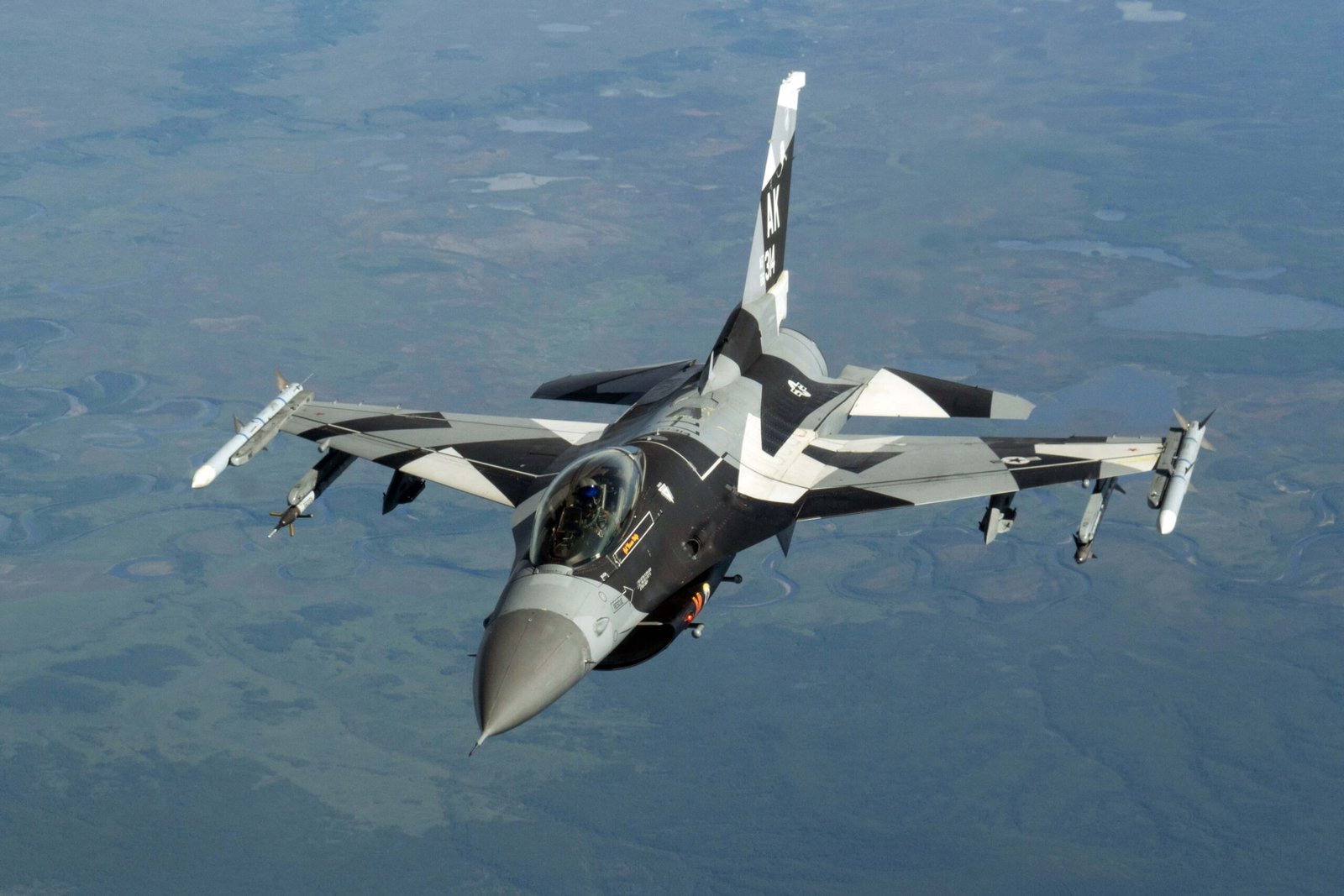
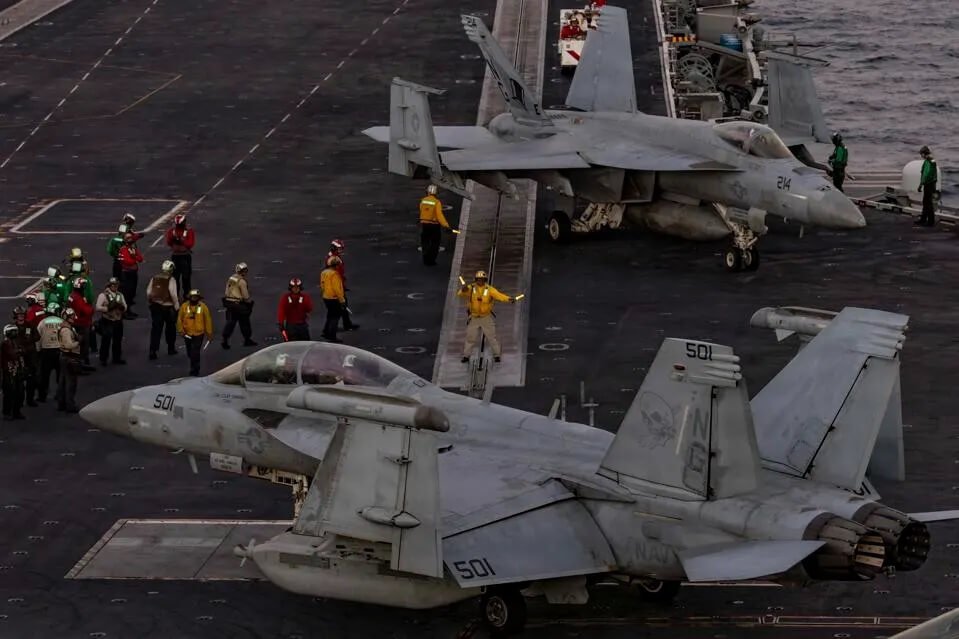
- Blind and Suppress: EA-18G Growler electronic attack aircraft and F-16CJ Wild Weasels successfully neutralized IRGC coastal radar emitters, eliminating Iranian early warning and SAM tracking networks prior to kinetic strikes.
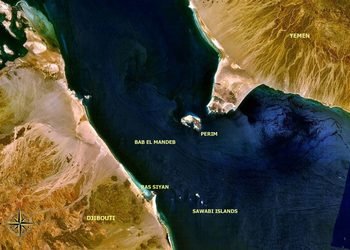
- Target Footprint: Direct hits decimated IRGC fast attack craft (FAC), sea-mine rocket launchers, communications nodes, and fortified bunkers along the Strait of Hormuz, successfully mitigating regional maritime threats.
- Ballistic Interception Rates: Iran launched 13 retaliatory ballistic missiles; the layered defense architecture (including Jordanian interceptors) shot down 10, with the remaining 3 impacting remote desert terrain.
- Financial Severance: The U.S. Treasury Department escalated sanctions against third-party financial institutions—including blocking a Dubai-based Egyptian bank branch responsible for funneling $1.8 billion to the regime since 2025—to economically starve the IRGC.
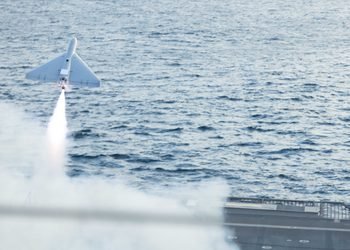
- Auxiliary Defense Tech Developments: The U.S. Army successfully deployed the Anduril Altius 700 Launched Effect (ALE) from a UH-60M Black Hawk during Project Convergence Capstone 6. Simultaneously, Ukraine initiated strict rationing of Patriot PAC-2/PAC-3 interceptors due to ongoing supply deficits.
Tactical Mechanics: The SEAD/DEAD Door-Kicker Doctrine
The U.S. aerial assault was executed using a textbook Suppression of Enemy Air Defenses (SEAD) doctrine, effectively turning the IRGC’s defensive systems into targets. The operation commenced after dusk, integrating carrier strike groups in the Arabian Sea with land-based fighter wings.
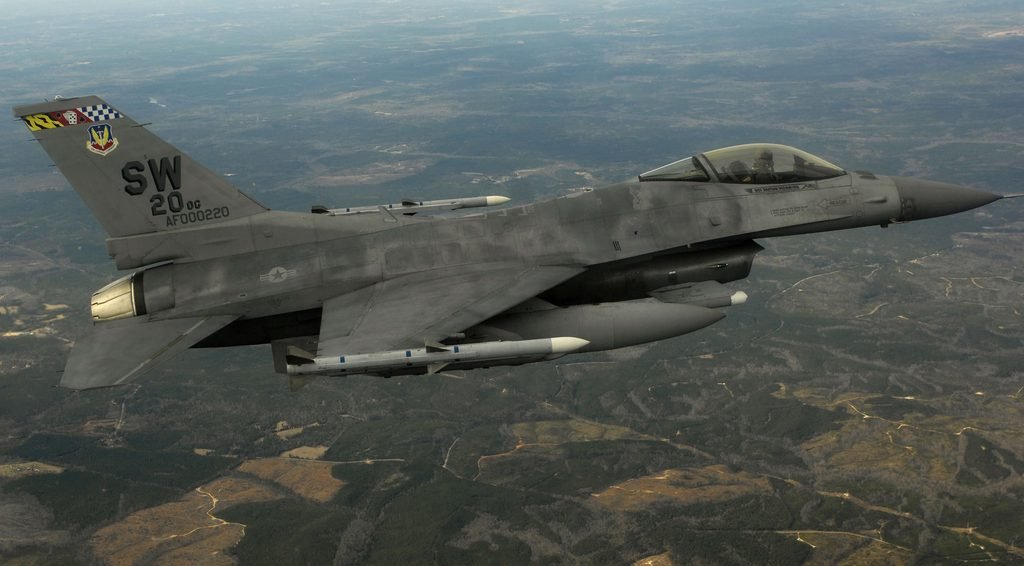
The vanguard of the strike package relied on the F-16CJ Wild Weasel and the EA-18G Growler. Operating at altitudes exceeding 20,000 feet, these aircraft capitalized on electronic warfare (EW) pods and passive radar detection. As IRGC operators activated their radar dishes to track incoming threats, the emissions provided immediate target locks for AGM-88 High-speed Anti-Radiation Missiles (HARM). Traveling at Mach 2+, the HARM munitions rode the radar emissions directly down to the dishes, rendering the Iranian coast completely blind and disabling their surface-to-air missile (SAM) networks.
Strike Assessment and the Iranian Ballistic Retaliation
With the radar and SAM networks neutralized, follow-on strike packages composed of F/A-18E/F Super Hornets, F-35B/C Lightning IIs, and BGM-109 Tomahawk cruise missiles systematically destroyed the IRGC’s offensive infrastructure. Key targets included communications trucks, drone swarm staging areas, and specialized rocket launchers utilized for deploying sea mines into the Strait of Hormuz.
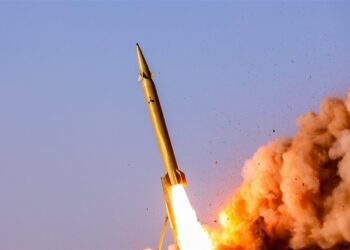
Iran attempted a decisive response by launching 13 high-value ballistic missiles at U.S. and allied positions. The salvo was intercepted by a combination of U.S. Aegis-equipped destroyers, Patriot PAC-3 batteries, and Jordanian Armed Forces air defenses. Ten of the 13 missiles were destroyed mid-flight, while the remaining three fell harmlessly in unpopulated areas, resulting in zero American casualties. This interception rate highlights the severe limitations of Iran’s ballistic arsenal when forced to penetrate an active Integrated Air and Missile Defense (IAMD) network.
Strategic Severance & Secondary Regional Developments
The kinetic strikes are being reinforced by total economic warfare. U.S. Treasury Secretary Scott Bessent announced a severe escalation in financial sanctions, targeting international entities subsidizing the IRGC. The immediate shuttering of the Dubai branch of an Egyptian bank that facilitated $1.8 billion in Iranian transactions since 2025 demonstrates a comprehensive strategy to sever Iran’s digital and maritime logistical lifelines.
Simultaneously, U.S. and allied defense technologies are advancing in secondary theaters. During Project Convergence Capstone 6, the U.S. Army successfully launched an Anduril Altius 700 drone from a UH-60M Black Hawk, validating critical Air-Launched Effects (ALE) technology that allows manned helicopters to engage targets from beyond enemy SAM threat rings. Conversely, in Eastern Europe, Ukraine has been forced to strictly ration its Patriot missile interceptors, accelerating Kyiv’s push to secure indigenous manufacturing contracts to sustain high-tempo air defense operations against Russian saturation strikes.
U.S. Strike Package Capabilities vs. IRGC Defensive Architecture
| Asset / Platform | Operational Role | Primary Munitions / Equipment | Tactical Objective |
| EA-18G Growler | Electronic Attack (EW) | ALQ-99/ALQ-249 Jamming Pods, AGM-88 HARM | Jam early warning networks; blind coastal IRGC defenses. |
| F-16CJ Wild Weasel | SEAD / DEAD | AGM-88 HARM (High-speed Anti-Radiation Missile) | Destroy active SAM radars by riding emission beams to the source. |
| F/A-18E/F Super Hornet | Kinetic Strike | JDAM, AGM-154 JSOW | Eliminate IRGC mine-laying rockets, bunker entrances, and fast attack craft. |
| BGM-109 Tomahawk | Long-Range Standoff Strike | 1,000 lb conventional warhead | Destroy hardened C2 (Command & Control) nodes and ballistic launch sites. |
| Arleigh Burke / Patriot PAC-3 | Integrated Air & Missile Defense | SM-3, SM-6, PAC-3 MSE Interceptors | Intercept and destroy incoming Iranian retaliatory ballistic missiles mid-flight. |
Strategic Assessment
FORCE MULTIPLIER & ESCALATION CONTROL. The comprehensive dismantling of the IRGC’s coastal defense and maritime interdiction network demonstrates total U.S. operational dominance in the Strait of Hormuz. By flawlessly executing the SEAD doctrine, U.S. forces neutralized the anti-access/area denial (A2/AD) threat with zero casualties. Furthermore, the 76% interception rate (10 of 13) of Iran’s retaliatory ballistic missile salvo proves that the regime’s primary strategic deterrent is functionally ineffective against a layered IAMD architecture. Combined with maximum-pressure financial severance by the U.S. Treasury, the IRGC is structurally incapable of sustaining prolonged high-intensity conflict without collapsing its own logistical and economic foundation.