Key Intelligence
- The Nuclear Umbrella Proposal: A new policy framework drafted by former UK Conservative MP Nick Boles suggests extending the UK’s nuclear deterrent to a host of non-NATO nations—including Ukraine, Norway, Switzerland, and the Western Balkans.
- The Post-Brexit Quid Pro Quo: In exchange for this nuclear shield and a commitment to spend 3.5% of its GDP on defense, the UK is seeking renewed access to the European Union’s Single Market for goods.
- Ukraine’s Operational Mandate: Under the proposed “European Confederation,” Ukraine would act as the continent’s primary conventional shield against future Russian aggression and share its unparalleled expertise in unmanned warfare.
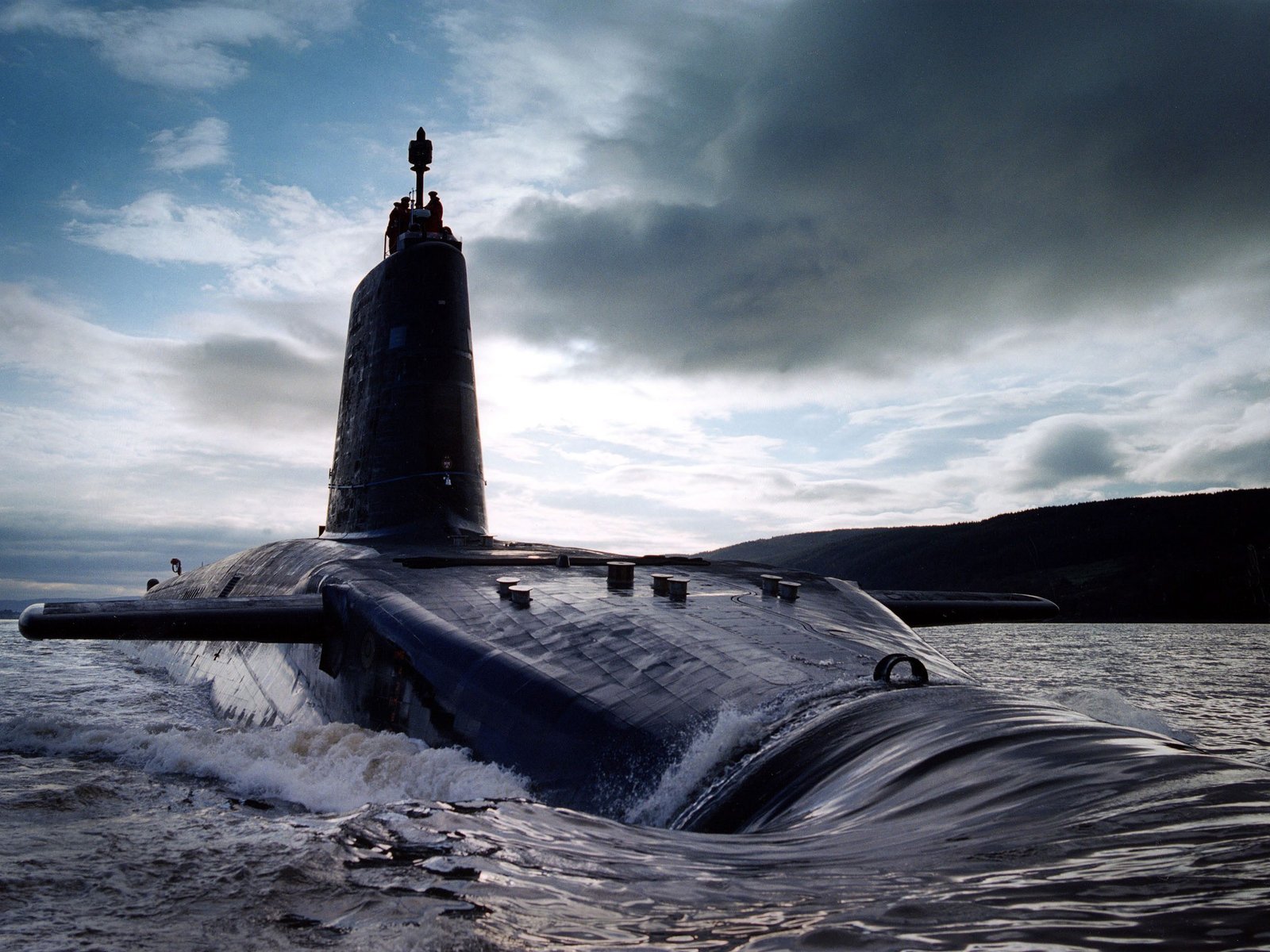
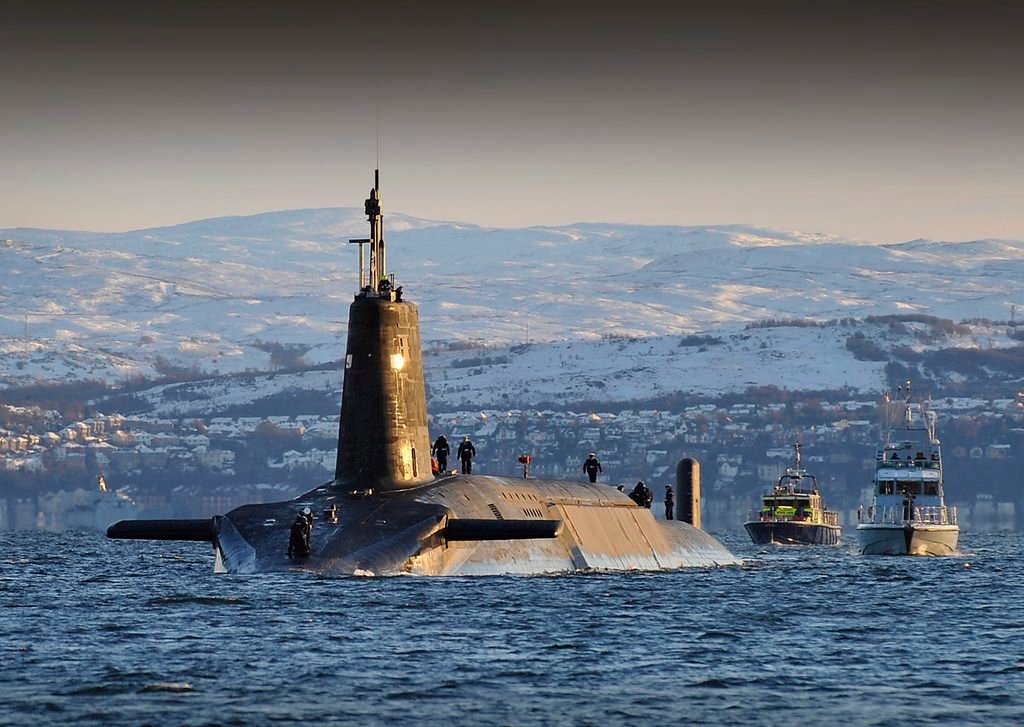
- Deterrence Credibility: While smaller than Russia’s triad, the UK’s arsenal of 120 operationally available warheads on Vanguard-class submarines remains a highly credible deterrent, capable of inflicting “unacceptable damage” on Russia.
The Boles Proposal: A New European Security Architecture
Despite profound Russian battlefield setbacks over the past few years, Vladimir Putin’s nuclear rhetoric remains a constant, looming threat over Ukraine. For a decade, Kyiv has desperately needed a comparable threat of its own—a deterrent to fight fire with fire. The United Kingdom may soon deliver exactly that.
A newly circulated proposal, presented to top UK figures including Prime Minister’s National Security Adviser Jonathan Powell and senior Labour figure Andy Burnham, envisions a radical restructuring of European security. Drafted by former Conservative MP Nick Boles, the plan calls for the creation of a “European Confederation.” This treaty-based body would combine economic integration with a NATO-style mutual defense clause, formally extending the UK’s nuclear umbrella over Ukraine and several other non-NATO European states.
The Post-Brexit Quid Pro Quo: Trading Nukes for the Single Market
This generous offer of nuclear protection comes with a definitive ulterior motive. The UK is utilizing its strategic military weight as leverage to reverse some of the most damaging economic consequences of Brexit.
The proposal explicitly ties the expansion of the UK’s nuclear umbrella—and a pledge to boost British defense spending to 3.5% of GDP—to a demand that the UK regain access to the European Union’s Single Market for goods. Nick Boles has been candid about this strategy, acknowledging that a standard bilateral negotiation for market access would fail, but offering a solution to Europe’s pressing security problems sweetens the deal.
The financial urgency for the UK is stark. Since leaving the EU, the economic fallout has been immense:
- Trade Deficits: According to the Center for European Reform, UK exports to the EU have plummeted by 12%, while imports dropped by 16%.
- Global Impact: This translates to a worldwide export decline of 5% and an import drop of 8% relative to a non-Brexit baseline.
- GDP Losses: June 2026 analysis from Bloom and Bank of England economists estimates Brexit has cost the UK 6% of its total economy over the past decade.
In exchange for resolving Europe’s strategic vulnerabilities, the UK hopes to claw back billions in lost trade revenue.
Reversing the Budapest Betrayal: Ukraine’s Role in the Confederation
For Ukraine, the proposal represents the restitution of a deterrent it sacrificed three decades ago. Following the collapse of the Soviet Union, Ukraine possessed roughly 1,900 strategic nuclear warheads. Under the 1994 Budapest Memorandum, Kyiv surrendered this arsenal to Russia in exchange for security assurances from Moscow, Washington, and London.
Russia brazenly violated that agreement in 2014 by annexing Crimea and again in 2022 with its full-scale invasion. Since then, President Volodymyr Zelenskyy has campaigned tirelessly for NATO and EU integration to secure the guarantees Ukraine was promised.
Under the new UK proposal, a “nuke-for-a-nuke” doctrine would apply to Ukraine. However, this protection is conditional. Within the European Confederation, Ukraine would be permanently designated as the primary eastern barrier against Russian aggression. Kyiv would be required to maintain a massive standing military and systematically share its combat-proven expertise in drone and unmanned technologies with its European partners.
The Trident Arsenal and the Move to Decouple from Washington
If the EU accepts the UK’s bargain, how credible is the British nuclear threat against Russia?
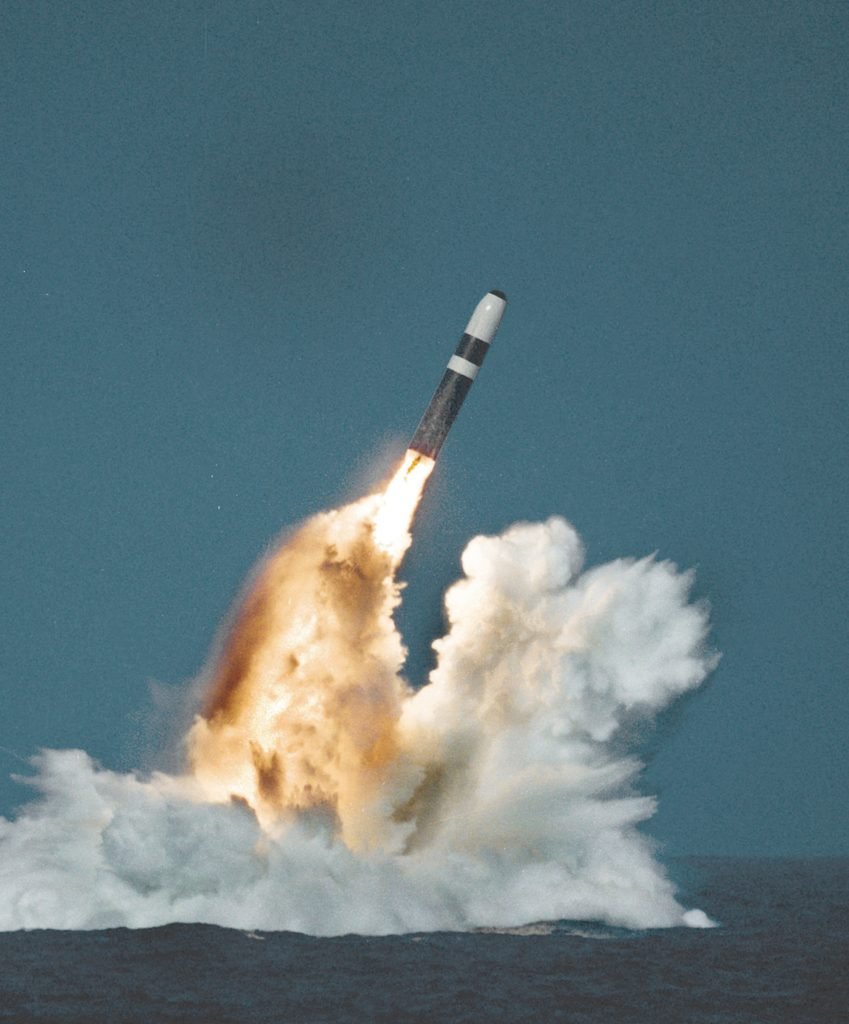
Compared to Russia’s massive nuclear triad—which boasts 5,459 warheads across air, land, and sea platforms—the UK’s arsenal is modest. The UK possesses approximately 225 warheads, with up to 120 operationally available at any given time. These are deployed exclusively via four Vanguard-class nuclear-powered ballistic missile submarines, each capable of carrying up to 16 Trident missile tubes.
While smaller, a July 2025 study by the RAND Corporation confirmed that the UK’s submarine-based arsenal remains a highly credible threat, fully capable of inflicting “unacceptable damage” on Russia. Putin’s forces would face the reality that a nuclear strike on Ukraine could trigger a devastating ballistic response launched from the North or Baltic Seas.
However, the proposal is also driven by Europe’s growing distrust of the United States. Following former US President Donald Trump’s rhetoric regarding abandoning NATO allies, and subsequent troop drawdowns in Europe (including 5,000 soldiers removed from Germany in May 2026), the EU is actively seeking defense autonomy. The EU has set a target for 50% of its defense contracts to be fulfilled internally by 2030, up from 22%.
The UK proposal aligns with this European desire to decouple from US reliance, though questions remain about British nuclear independence. Under a 1958 mutual defense agreement, the UK shares its Trident missile pool with the US Navy and relies on the Kings Bay, Georgia base for maintenance, casting some doubt on London’s ability to operate entirely outside of Washington’s shadow.
| Strategic Element | UK Offer / Commitment | Expected Concessions (The Return) |
| Nuclear Umbrella | Extension of Trident deterrence to Ukraine, Norway, Switzerland, and the Balkans. | EU: Grants the UK tariff-free access to the EU Single Market for goods. |
| Defense Spending | UK commits to spending a baseline of 3.5% of GDP on defense. | EU: Strategic decoupling from reliance on the United States for nuclear security. |
| Conventional Defense | UK bolsters European maritime and naval frontier security. | Ukraine: Maintains a mass standing army to serve as Europe’s primary anti-Russian barrier. |
| Technological Sharing | UK offers integrated defense framework modeled on NATO Article 5. | Ukraine: Required to transfer its advanced unmanned/drone warfare expertise to EU partners. |
STRATEGIC VERDICT
SECTOR OUTLOOK: High Strategic Value; Complex Political Viability. The Boles proposal is a masterclass in geopolitical leverage, attempting to solve two massive problems simultaneously: the UK’s post-Brexit economic stagnation and Ukraine’s existential vulnerability to Russian nuclear blackmail.
- THE EUROPEAN DILEMMA: The EU must decide if the strategic value of a European-controlled nuclear shield outweighs the political precedent of allowing the UK back into the single market without accepting the free movement of people.
- THE RUSSIAN CALCULUS: Should this policy be formalized, it neutralizes Putin’s most potent psychological weapon. Facing a UK nuclear guarantee, Russian nuclear threats against Kyiv lose their coercive power. This coincides with Finland lifting its nuclear storage ban in June 2026, placing allied nuclear infrastructure closer to Russia’s borders than ever before.
- STRATEGIC OUTLOOK: Even if the economic elements of the proposal stall in Brussels, the fact that a UK nuclear umbrella for Ukraine is being seriously circulated at the highest levels of British intelligence and government signals a permanent, aggressive shift in Europe’s willingness to directly challenge Russian nuclear doctrine.