Bottom Line Up Front
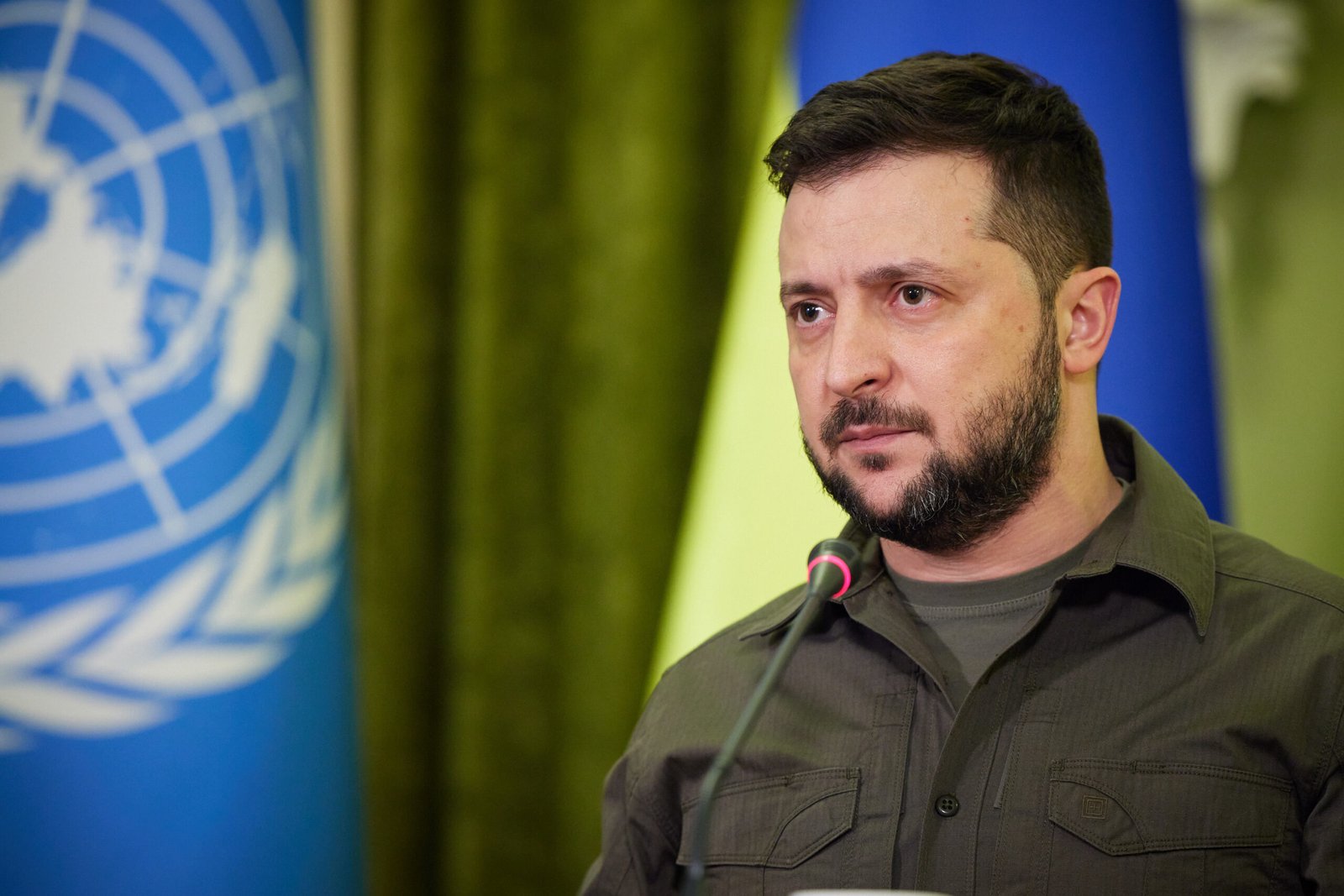
- Winter 2026 Objective: Ukrainian President Volodymyr Zelenskyy outlined a strict three-pronged strategy during an August 3 address, setting a target to force Russian negotiations by the end of 2026.
- The Strategic Equation: The operational framework relies on Diplomacy + Sanctions + Long/Mid-Range Strikes to systematically exhaust Russian military and economic resources.
- Deep-Strike Scale: Ukrainian long-range drone operations have expanded significantly, striking 52 Russian regions in the first seven months of 2026—up from 36 regions in 2025—along with nearly 200 refinery attacks.
- Russian Financial Strain: Driven by 26,655 cumulative sanctions, Russia’s 2026 budget deficit has ballooned to $100 billion, while inflation climbed to 6% and small business closures reached 200,000 in Q1 alone.
The Three-Pronged Strategy: Diplomacy, Sanctions, and Strikes
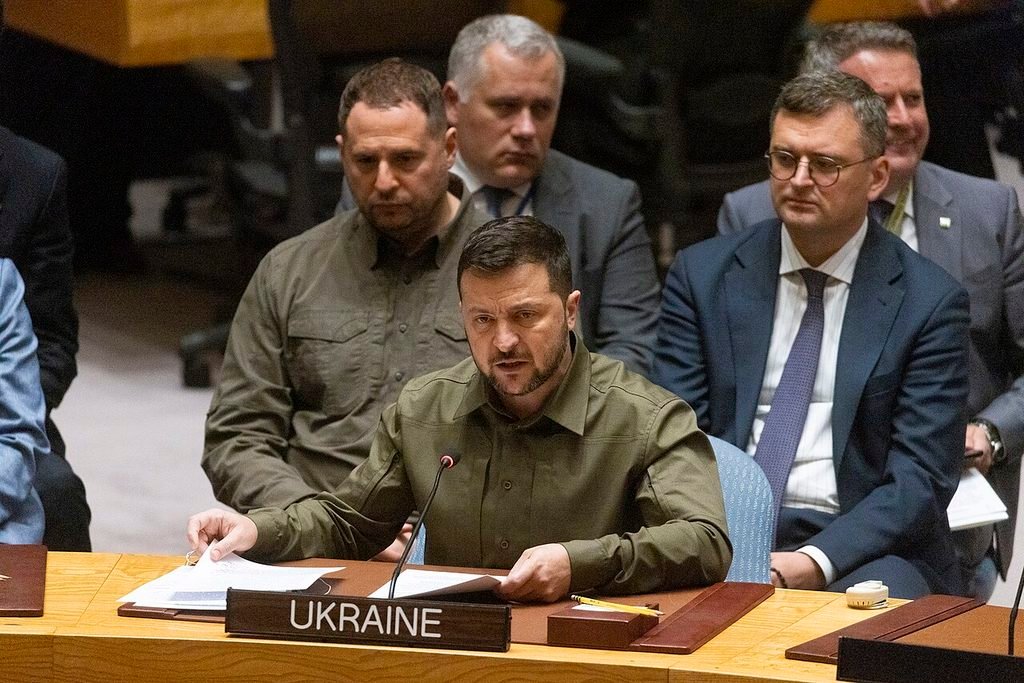
Ukrainian leadership has formalized a definitive roadmap aimed at forcing a Russian economic and military capitulation by the close of 2026. Unveiled by President Volodymyr Zelenskyy on August 3, the strategy rejects open-ended attrition in favor of a synchronized multi-vector pressure campaign.
The core thesis is built on a strict operational equation: Diplomacy + Sanctions + Long/Mid-Range Strikes. By compounding diplomatic supply chains, tightening financial choke points, and expanding deep-rear interdiction, Kyiv aims to make the continuation of Putin’s invasion politically and economically untenable.
Prong One: Securing Winter Aid and Drone Deals
Diplomacy within Zelenskyy’s framework is entirely transactional and results-oriented. The primary objective of Ukraine’s foreign diplomatic corps is securing robust winter aid packages, localized defense manufacturing funding, and advanced air defense assets.
Diplomats have successfully negotiated 9 bilateral drone deals, with another 15 in active completion, creating a steady financial foundation for domestic defense production. Furthermore, leverage from the European Union’s $103 billion financial package—including a $4 billion tranche released in late July—is directly subsidizing drone and Gripen fighter jet procurement.
Economic Attrition: Pushing Russia Over the Financial Cliff
The second pillar targets the structural integrity of the Russian state budget. Cumulative sanctions against Moscow have reached 26,655 restrictions since the invasion, with the US leading at 6,441 sanctions and the EU adopting its 21st sanctions package in late July targeting energy, crypto, and financial services.
Despite these measures, Russian actors have historically evaded enforcement through shadow fleet networks generating up to $100 billion annually. The new diplomatic push focuses heavily on secondary sanctions—such as pending US Senate legislation—to penalize foreign buyers and close export loopholes.
Internal Economic Metrics and Banking Pressure
The compounding effect of sanctions is visibly destabilizing Russia’s domestic market. In late July, the Russian Central Bank was forced to slash its base interest rate to 14% in an unsuccessful attempt to stimulate corporate lending amidst a collapsing stock market.
Key internal economic stress indicators include:
- Budget Deficit: Projected to hit $100 billion by the end of 2026, doubling initial Kremlin projections of $47.7 billion.
- Inflation Rate: Rebounded to 6% in June, reversing earlier gains down to 5.3% in May.
- Small Business Collapse: Over 200,000 small and medium-sized enterprises shuttered operations during the first three months of 2026 alone.
Long-Range Interdiction and Domestic Social Pressure
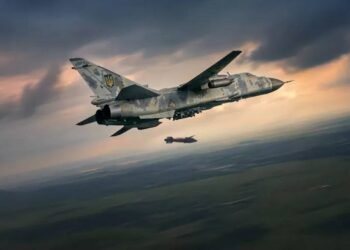
The third prong relies on expanding asymmetrical deep-strike campaigns to bring the war directly to the Russian populace. Ukraine’s 40-day mid-range and long-range strike campaigns have targeted critical infrastructure across 52 distinct Russian regions, executing nearly 200 targeted attacks on oil refineries—including a 2,500-kilometer strike against the Omsk Refinery.
Logistical arteries have also faced intense degradation. Strikes along the 700-kilometer R-280 highway surged from under 20 in January to over 130 monthly operations by June. In the Black Sea and Sea of Azov, a three-week July naval drone campaign struck 201 shadow fleet vessels. This persistent attrition contributed to a record 42,860 Russian casualties in July alone, catalyzing a sharp drop in public support, with an Institute of Conflictology and Analysis survey revealing that 81% of polled Russians favor an immediate end to the war.
Zelenskyy’s Winter 2026 Strategy: Pillar Metrics & Economic Impact
| Strategic Pillar | Core Mechanism | Key Quantitative Target | Current Status / Impact (Q3 2026) |
| 1. Diplomacy | Bilateral deals & EU funding | $103B EU Loan ($4B tranche released) | 9 active drone deals secured; 15 pending finalization. |
| 2. Sanctions | Secondary enforcement & loophole closure | 26,655 total restrictions / Shadow fleet | Russian deficit at $100B; base interest rate adjusted to 14%. |
| 3. Deep Strikes | Long-range drone & missile campaigns | 52 Russian regions targeted | ~200 refinery strikes executed; 42,860 Russian casualties in July. |
| Domestic Fallout | Public sentiment degradation | 81% anti-war polling majority | Small business closures exceed 200,000 in Q |
Final Assessment
SECTOR OUTLOOK: High Volatility; Asymmetric Advantage Shifts to Kyiv. Zelenskyy’s Winter 2026 framework is not merely a diplomatic talking point; it is a mathematical strategy designed to break Russian fiscal sustainability before winter logistics set in.
- THE MOSCOW DILEMMA: Rumblings of a forced mobilization of 500,000 additional troops following the September 2026 State Duma elections indicate acute military exhaustion. Executing a mass levy against a background of 6% inflation and a $100B budget deficit risks triggering catastrophic domestic political instability.
- INVESTOR / ENERGY TAKEAWAY: Continued deep-range drone campaigns targeting Russian refining capacity and maritime shadow fleets ensure permanent structural risk premiums in global energy markets.
- STRATEGIC OUTLOOK: Even if a formal peace treaty is not signed by winter, maintaining this three-pronged pressure guarantees that Russian military capacity will face structural collapse or severe degradation heading into 2027.