KEY INTELLIGENCE
- The AGM-181A LRSO replaces the AGM-86B, a system that originally entered active service in 1982.
- Raytheon leads missile development under a $15.6 billion acquisition baseline, with production targeting 1,020 munitions.
- The National Nuclear Security Administration manages the $13 billion parallel development of the W84 life-extended warhead.
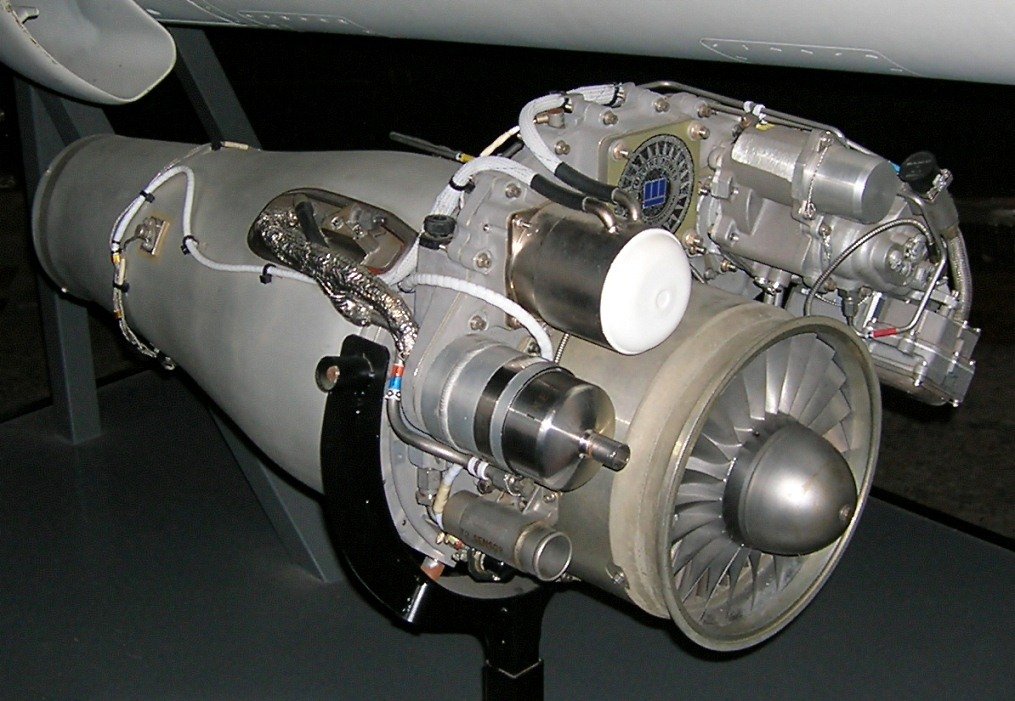
- The weapon utilizes a Williams F107-WR-106 turbofan engine, eliminating the need for heavy onboard oxidizers.
- Operational testing faces significant headwinds. Government Accountability Office data indicates only 9 of 36 planned development flights concluded by 2026 due to persistent B-52 maintenance backlogs.
Penetrating Modern Air Defense Networks
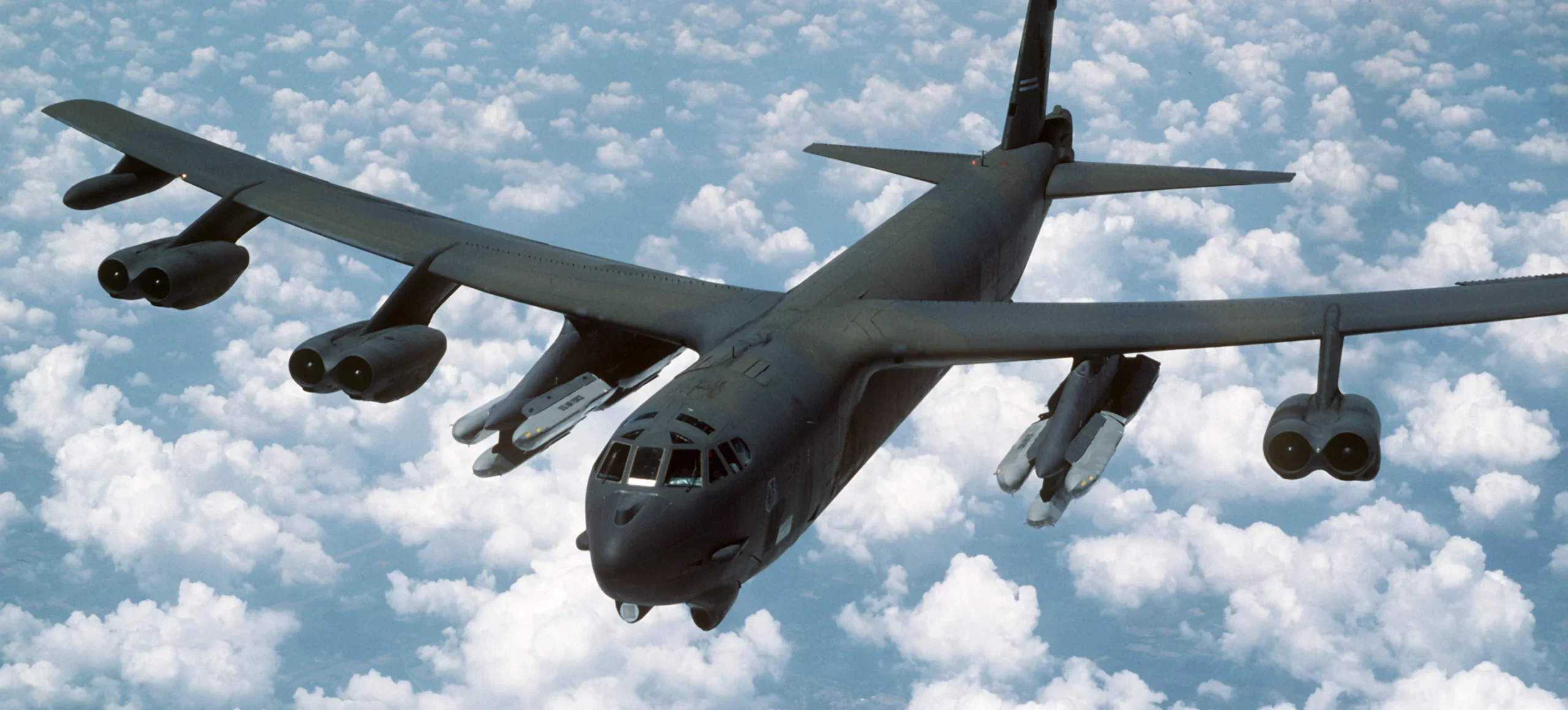
The legacy AGM-86B was designed against 1970s Soviet interceptors. It cannot reliably penetrate modern integrated air defense networks. The AGM-181A LRSO directly addresses this structural vulnerability. Standoff capabilities protect heavy bombers. The aircrew releases the munition hundreds of miles from the terminal target zone.
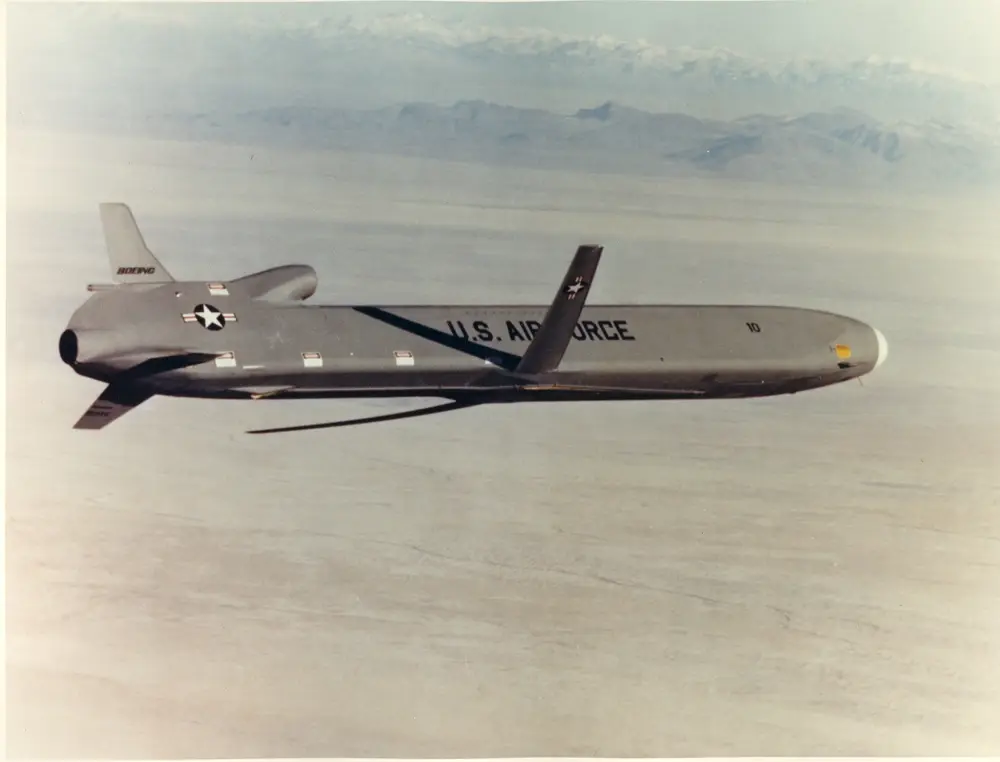
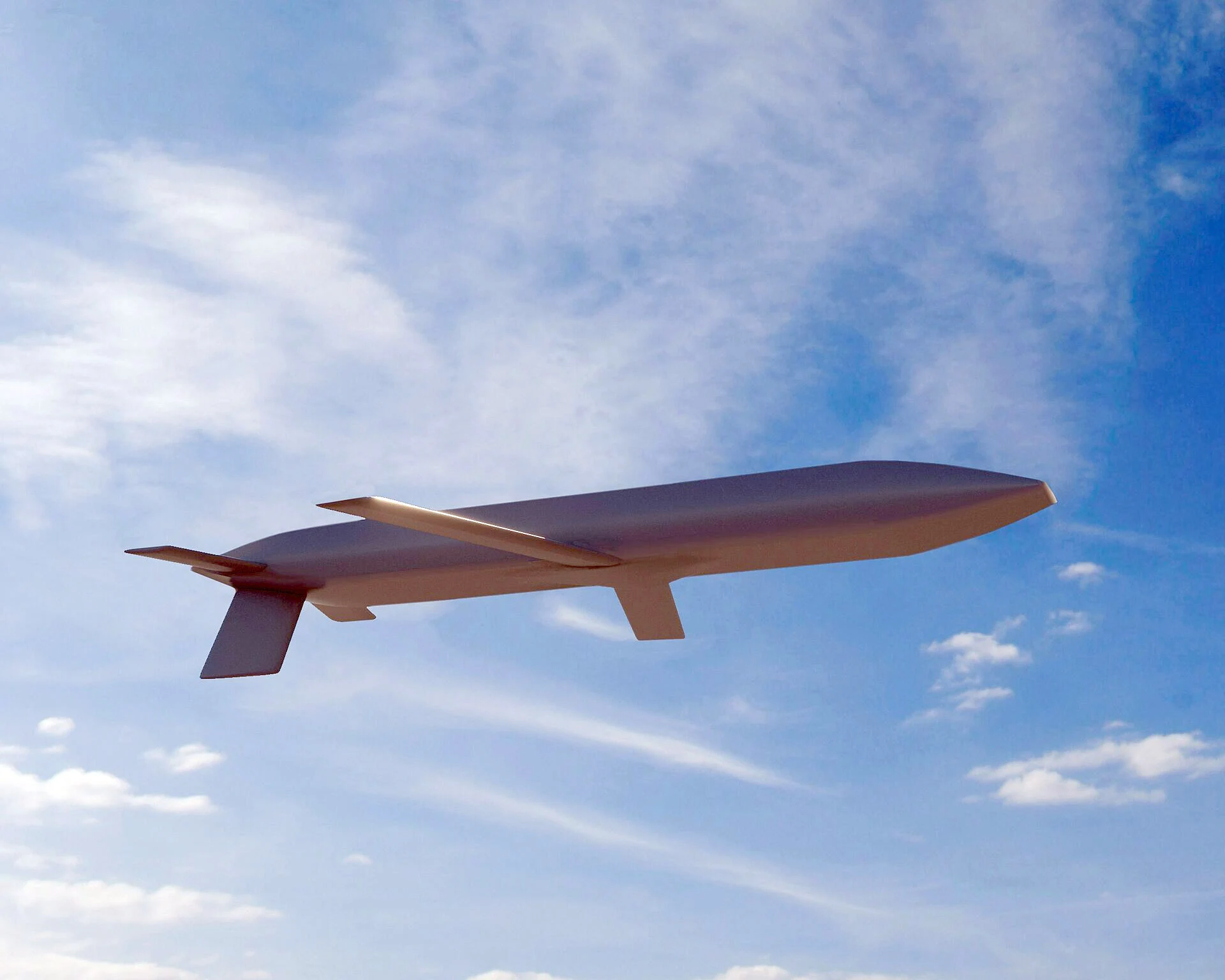
Radar cross-section reduction and advanced navigation form the core of the new system. The missile must operate in environments where GPS is jammed or spoofed. Raytheon is engineering the guidance systems to function autonomously across denied areas. Exact terminal speeds and radar signatures remain classified.
Warhead Integration and Propulsion Mechanics
A nuclear cruise missile depends heavily on propulsion efficiency. The LRSO utilizes the Williams F107-WR-106 turbofan engine. This air-breathing system draws atmospheric oxygen to burn fuel. This design drastically reduces launch weight compared to solid-rocket motors.
The National Nuclear Security Administration provides the payload. They are mating the missile to a life-extended W84 nuclear warhead. The $13 billion warhead program repurposes components from older weapons. Production spans multiple facilities. Pantex handles final assembly. The Y-12 National Security Complex provides specialized uranium components.
Flight Testing and Acquisition Friction
System integration requires concurrent testing. The Air Force conducts captive carry and powered flight tests using the B-52. Early separation and control tests cleared the weapon for independent unpowered flight. Powered flights followed shortly after.
Schedule slippage is apparent. A 2026 GAO report noted three test failures out of the first nine launches. Heavy bomber maintenance is the primary bottleneck. Sourcing parts for a fleet reliant on 76,000 unique spares frequently grounds available test aircraft. The Air Force intends to hit initial operational capability by November 2030. The margin for schedule error is shrinking rapidly.
| System | AGM-86B | AGM-181A (LRSO) |
| Initial Deployment | 1982 | Projected 2030 |
| Target Launch Platforms | B-52H | B-52H, B-21 Raider |
| Warhead Designation | W81 | W84 (Life-extended) |
| Propulsion System | Williams F107-WR-101 | Williams F107-WR-106 |
| Projected Acquisition Cap | 1,715 units (Historical) | 1,020 units |
| Est. Program Cost | Out of Production | $15.6B (Missile) + $13B (Warhead) |