
STRATEGIC SUMMARY
- Capability Transfer: Italy is transferring 4 SAMP/T NG air defense batteries and 7 long-range multifunctional radars to Ukraine.
- Interceptor Augmentation: Deliveries of Aster 30 surface-to-air missiles (Mach 4.5, 150+ km range) commence in October 2026 to fill empty Patriot launcher cells.
- Strategic Subterfuge: Rome bypasses domestic political friction (where public support for defense aid sits at 32%) by executing the decision behind closed doors.
- Localization Milestone: Italy moves toward joining France in licensing indigenous in-country production of Aster 30 missiles directly inside Ukraine.
- Counter-Ballistic Pivot: Designed to intercept Iskander-M (9M723) ballistic missiles and modified S-400 (RM-48U) surface-to-surface strikes.
Strategic Context: Bypassing Political Gridlock for Air Defense
The decision by Italian Prime Minister Giorgia Meloni’s government was executed in absolute secrecy to circumvent domestic political opposition. Public polling in Italy indicates that only 32% of citizens prioritize a Ukrainian victory, while internal political factions, including the 5Star Movement, have threatened to sever military transfers upon taking office. By framing public announcements around civilian power grid generators until late August 2026, Rome successfully authorized the $3.5 billion package without parliamentary delays.
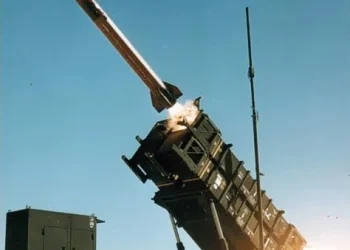
This covert maneuver comes at a lethal operational bottleneck. Russia unleashed 376 missiles in July 2026 alone—doubling its June strike volume—while modifying up to 17 S-400 platforms across the Bryansk and Rostov oblasts to fire RM-48U guided missiles in ground-attack modes. Concurrently, Ukrainian MIM-104 Patriot batteries have suffered empty launch containers for up to 10 consecutive weeks due to Western production bottlenecks, creating a vast vulnerability across Ukrainian airspace.
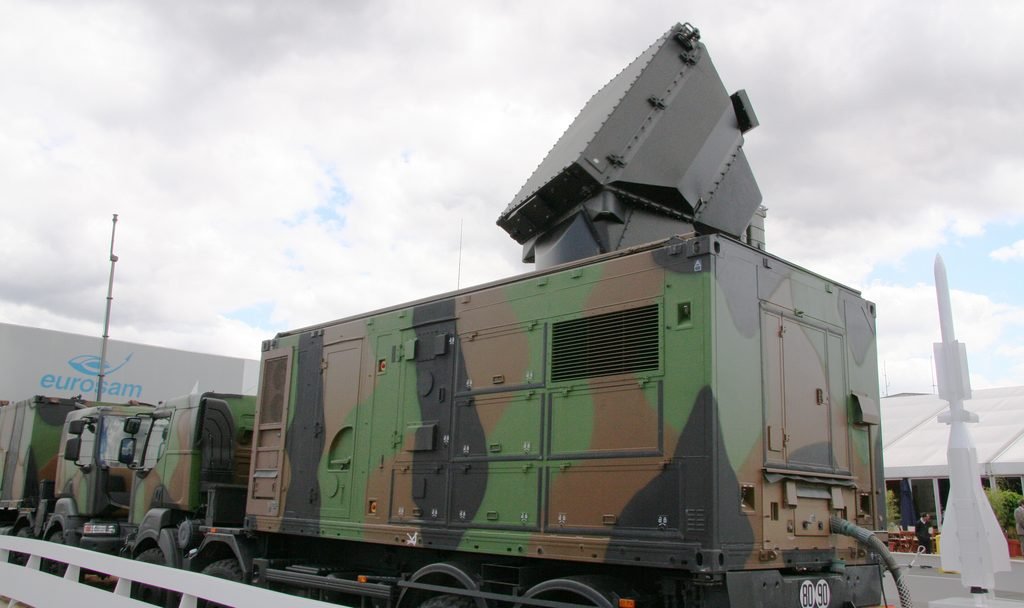
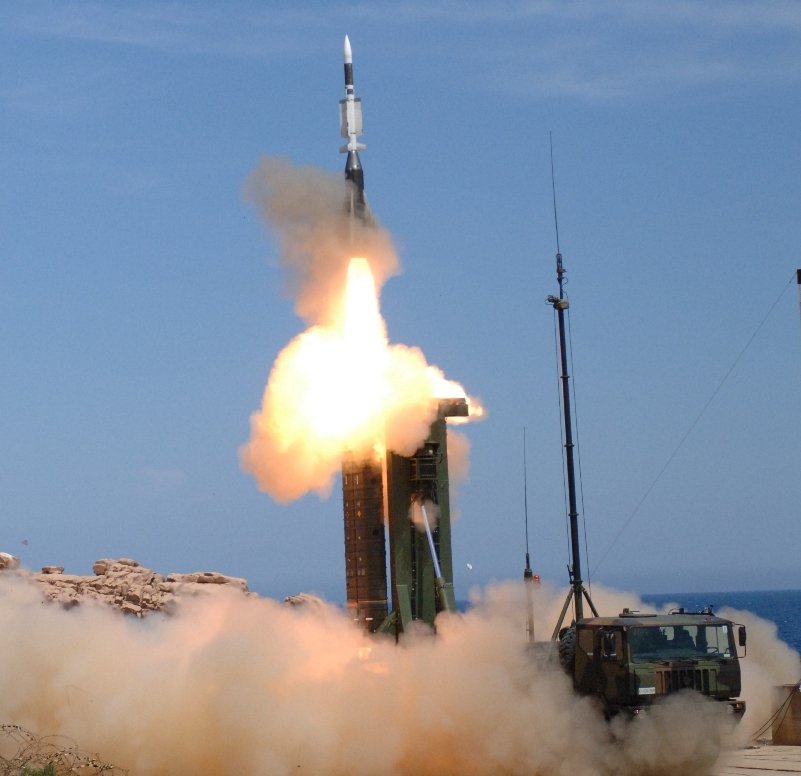
Italian Army
Technical Breakdown: The SAMP/T NG & Aster 30 Interceptor
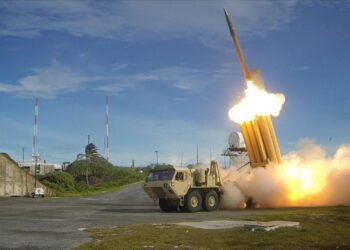
The SAMP/T NG (New Generation) represents a major technical jump over the legacy SAMP/T platforms currently operated by Ukrainian air defense units. Built around either the Kronos Grand Mobile High Power (GMHP) or GF 300 active electronically scanned array (AESA) radar, the system expands surveillance coverage out to 400 kilometers and provides a 150+ kilometer kinetic engagement envelope up to altitudes of 25 kilometers.
The primary effector, the Aster 30 Block 1 / Block 1NT, is a 992-pound (450 kg) two-stage solid-propellant missile capable of reaching Mach 4.5 (5,560 km/h). Its defining tactical edge is the PIF-PAF (Pilotage en Force – Pilotage Aérodynamique Fort) control system. PIF-PAF utilizes mid-body gas-jet lateral thrusters combined with aerodynamic control surfaces, enabling instantaneous, high-G lateral maneuvers in the terminal homing phase to destroy maneuverable ballistic reentry vehicles via direct hit-to-kill or directional blast fragmentation.
Radar and Fire Control Enhancements
- Tracking Capacity: The upgraded SAMP/T NG fire control module tracks up to 1,000 aerial targets simultaneously and can engage 10 target vectors concurrently.
- Ballistic Threat Target Set: Specifically tuned to intercept short-to-medium-range ballistic missiles with launch ranges exceeding 600 kilometers.
- Autonomous & Networked Operations: Functions seamlessly as a standalone point-defense battery or as an integrated node within NATO-standard Integrated Air and Missile Defense (IAMD) architectures.
Operational Impact: Neutralizing Russia’s Winter Strategy
Russia’s reliance on strategic missile strikes is directly linked to ground operational stagnation. Ukrainian intelligence confirms Moscow maintains a reserve of approximately 1,900 operational missiles for its winter air assault against energy grids and urban centers. Ground forces under Russian command lost a net 27.1 square kilometers of territory in August 2026, forcing the Kremlin to lean heavily on standoff kinetic coercion to compensate for tactical infantry failures.
The arrival of initial Aster 30 missile shipments in October 2026 provides Ukraine with an immediate surge in anti-ballistic capacity. While a full SAMP/T NG battery requires less capital investment than a Patriot system (roughly 50% lower acquisition cost), its active radar homing seeker frees the ground radar from maintaining continuous target illumination during the missile’s mid-course flight phase, mitigating counter-battery radiation-seeking threats.
Geopolitical Outlook: Industrial Localization in Ukraine
Beyond immediate hardware transfers, Rome is finalizing a co-production framework alongside Paris. In July 2026, France granted Ukraine production licenses for SCALP-EG cruise missiles and AASM Hammer guided bombs. Italy’s impending authorization to co-produce the Aster 30 missile within Ukrainian industrial facilities shifts Kyiv’s defense posture from strategic dependency to defense-industrial self-reliance.
Establishing domestic assembly lines for Aster 30 interceptors fundamentally alters the long-term attrition calculus. If Ukraine achieves indigenous manufacturing of high-tier SAMs by 2027, Russian standoff missile strikes will face high-volume, automated interception grids without risking supply chain collapse from Western political elections or legislative funding delays.
| System Parameter | Eurosam SAMP/T NG (Italy/France) | Raytheon MIM-104 Patriot (PAC-3 MSE) |
| Primary Interceptor Missile | Aster 30 Block 1NT | PAC-3 Missile Segment Enhancement (MSE) |
| Maximum Engagement Range | >150 km (Air-breathing) / 35+ km (Ballistic) | ~160 km (Air-breathing) / ~40 km (Ballistic) |
| Interception Speed | Mach 4.5 (~5,560 km/h) | Mach 5.0+ (~6,100 km/h) |
| Terminal Guidance Mechanics | Active Radar Homing (ARH) + PIF-PAF Lateral Thrusters | Active Millimeter-Wave Radar + Attitude Control Motors (ACM) |
| Radar Range & Tracking | Kronos GMHP AESA (400 km / 1,000 targets) | AN/MPQ-65 (150+ km / 100 targets) |
| Engagement Coverage | 360-Degree Vertical Launch | Sectoral (120-Degree Elevation/Azimuth) |
| Estimated Battery Cost | ~$500 Million – $600 Million | ~$1.1 Billion |
Strategic Assessment: Operational Lifeline with Structural Industrial Leverage.
Italy’s covert transfer of four SAMP/T NG batteries and Aster 30 interceptors provides an indispensable tactical countermeasure to Ukraine’s critical Patriot inventory deficit. The system’s 360-degree vertical launch architecture and PIF-PAF terminal maneuvering offer tier-one defense against Russian Iskander ballistic trajectories and modified S-400 ground-attack vectors. While delivery timelines for all four batteries extend into 2027, initial October missile shipments satisfy Kyiv’s immediate winter survival requirements. Crucially, accompanying agreements for domestic Aster 30 co-production transition Ukraine from a passive aid recipient into an autonomous air defense manufacturer, neutralizing Russia’s single remaining strategic advantage.