KEY INTELLIGENCE
- Troops Isolated: Approximately 2,500 Russian soldiers (including elements of the 337th Regiment) are completely cut off from logistical support on the 40km-long Kinburn Spit.
- Logistical Severance: Ukrainian forces have established total fire control over the single land-based supply corridor running through Zaliznyi Port and Heroiske, using a combination of FPV drone swarms and remote ground mining.
- Command Withdrawal: Russian command posts and localized supply depots have been forced to withdraw eastward toward Pokrovka and Pokrovske, physically abandoning the isolated forces on the spit.
- Strategic Neutralization: The systematic destruction of Russian short-range artillery on the Kinburn Spit has severely degraded Moscow’s ability to shell the Mykolaiv coastline and blockade the Dnipro River Delta.
- Perfidy Tactics: Trapped Russian infantry are reportedly utilizing civilian clothing and occupying residential structures to evade detection by Ukrainian Leleka UAVs, a direct violation of the Geneva Conventions (perfidy).
Strategic Context: The Kinburn Spit Checkpoint
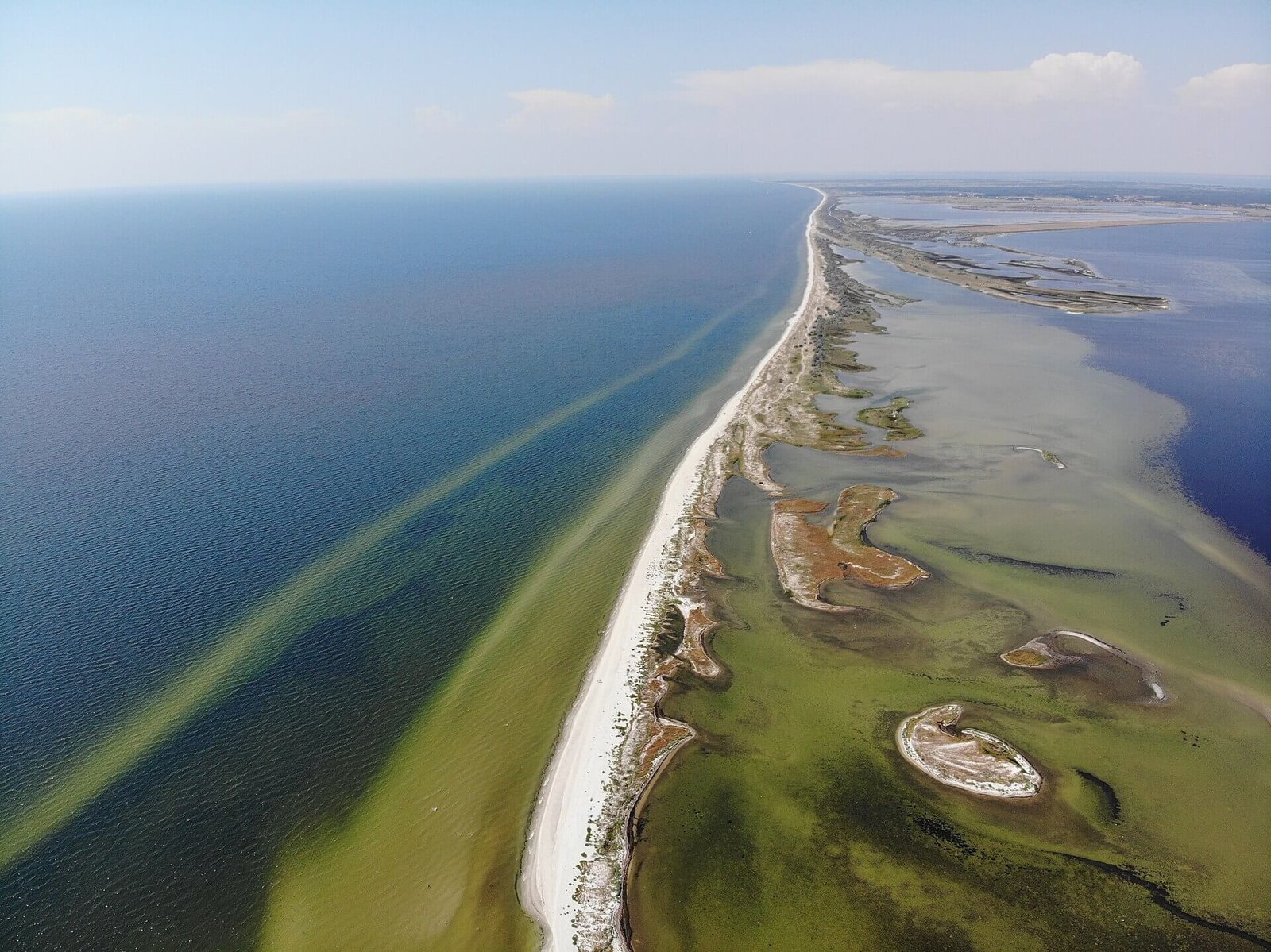
The Kinburn Spit is a narrow, 40-kilometer strip of sand and marshland representing the last pocket of Russian occupation within the Mykolaiv Oblast. While geographically small, it holds immense strategic value. From this position, Russian forces have historically deployed artillery and drone squads to blockade maritime access to Mykolaiv’s ports and control the mouth of the Dnipro River Delta.
Russia’s continued occupation of the spit was central to its long-abandoned objective of capturing Odesa. By holding this territory, Russian forces could exert indirect economic strangulation over Ukrainian agricultural exports out of Mykolaiv—which saw an 84.3% decline in late summer 2026 compared to the previous month.
Technical Breakdown: The Logistical Lockdown
Rather than launching a costly amphibious or frontal ground assault, the Armed Forces of Ukraine (AFU) opted for a slow, methodical siege strategy funded by the Ministry of Defense’s $113 million “Logistics Lockdown” initiative.
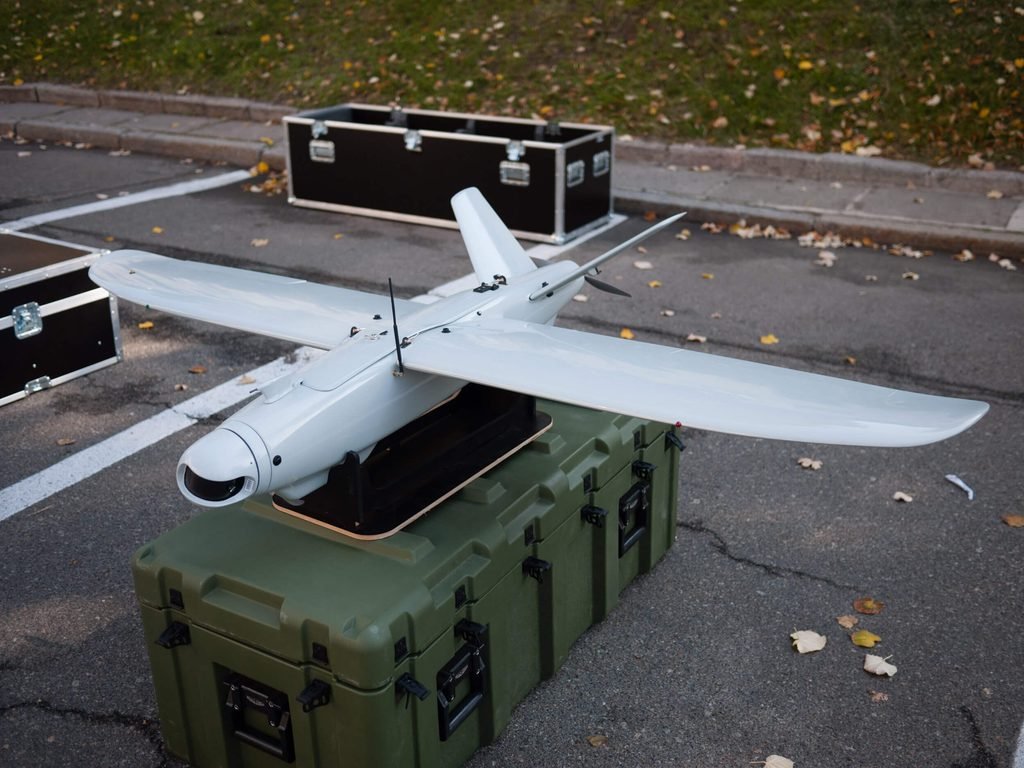
This strategy relies on a combination of persistent aerial reconnaissance and lethal interdiction. Ukrainian Leleka UAVs, capable of flying at altitudes of one kilometer with advanced thermal imaging, provide uninterrupted 24/7 overwatch of the spit. These optics allow Ukrainian operators to identify Russian troop movements, even when soldiers attempt to use civilian clothing (a war crime known as perfidy) to evade strikes.
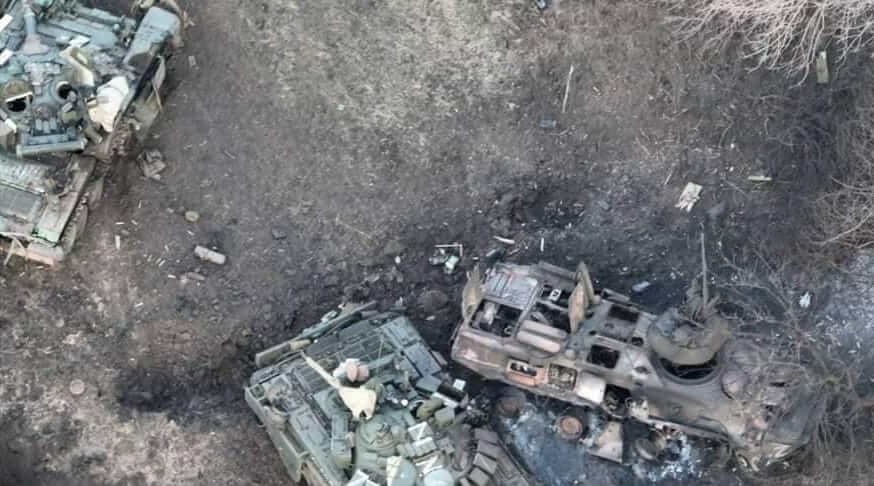
Simultaneously, Ukrainian forces utilized remote mining capabilities—likely deployed via ground-based drones (UGVs) or artillery—to saturate the only land corridor connecting the spit to the mainland via Heroiske and Zaliznyi Port. Any Russian vehicle attempting to rotate troops or deliver ammunition is systematically destroyed by FPV drones or anti-tank mines before it can reach the trapped 2,500-man garrison.
Operational Impact: A One-Way Kill Zone
The operational consequences for the Russian military are severe. Due to the intensity of Ukrainian fire control, Russian command structures and rear-echelon logistics have retreated further east into the Kherson region (toward Pokrovka).
This withdrawal has abandoned the frontline troops. The Russian artillery batteries previously stationed on the spit, which routinely shelled the Mykolaiv coast, have been systematically hunted down and destroyed. The trapped Russian infantry now lack the heavy weapons required to defend themselves, the mobility required to retreat, and the logistical support required to survive. Intercepted Russian communications describe the corridor through Heroiske as an impassable “death zone.”
| Tactical Element | Status | Operational Impact |
| Russian Garrison (Kinburn Spit) | ~2,500 Troops Isolated | Trapped without reliable resupply or rotation. Degrading combat effectiveness. |
| Land Corridor (Heroiske – Zaliznyi Port) | Under AFU Fire Control | Remotely mined and heavily monitored by FPV swarms. Impassable for Russian logistics. |
| Russian Command & Logistics | Withdrawn East (Pokrovka) | Retreat from the immediate frontline eliminates direct support for spit defenders. |
| Russian Short-Range Artillery | Neutralized / Destroyed | Removes direct kinetic threat to Mykolaiv coastline and Dnipro River Delta traffic. |
| Ukrainian ISR (Leleka UAVs) | Active (24/7 Overwatch) | Thermal optics defeat Russian attempts to utilize civilian cover (perfidy tactics). |
Strategic Assessment
OPERATIONAL PARALYSIS & ATTRITIONAL SIEGE. Ukraine’s campaign at the Kinburn Spit is a masterclass in asymmetrical attritional warfare. By establishing absolute fire control over the sole logistical artery, the AFU has neutralized 2,500 Russian combatants without committing a single ground soldier to a localized assault. This strategy renders the territory strategically useless to Moscow. The complete degradation of Russian artillery on the spit secures the Mykolaiv coastline and permanently fractures Russia’s blockade of the Dnipro Delta. Ukraine is highly unlikely to launch a ground invasion to physically occupy the spit, as doing so would subject AFU troops to the exact same geographical vulnerabilities currently destroying the Russian garrison. Instead, Ukraine will likely maintain the siege, allowing the trapped Russian forces to slowly attrit to zero.